
How to Make Good Photographs
What makes a photograph “good”? The answer may not lie in stronger blur, greater sharpness, or a more expensive camera. What matters is the thought, structure, humor, and feeling within an image, along with the photographer’s way of observing and expressing the world.
01 — A Question
Recently, I have been photographing more slowly and thinking more about photography. I previously shared interpretations of art and photography, together with analyses and interviews involving photographers. These have gradually settled within me. When I picked up the camera again afterward, photographing felt easier than before.
At the same time, new friends often ask: what makes a photograph good? How can I quickly take attractive pictures? What direction should my photography follow? I would like to share some of my thoughts here.
02 — What Is a Good Photograph?
People who follow me know that we have repeatedly discussed “what makes a good photograph.” Only after defining a “good photograph” can we begin trying to make one. Before developing a deeper understanding of photography, many of us probably define strongly blurred and highly sharpened images as good photographs (laughs). Yet when we read analyses in photography media or contemporary photography magazines, the “goodness” of the featured works can be difficult to understand. Why are these considered good photographs?
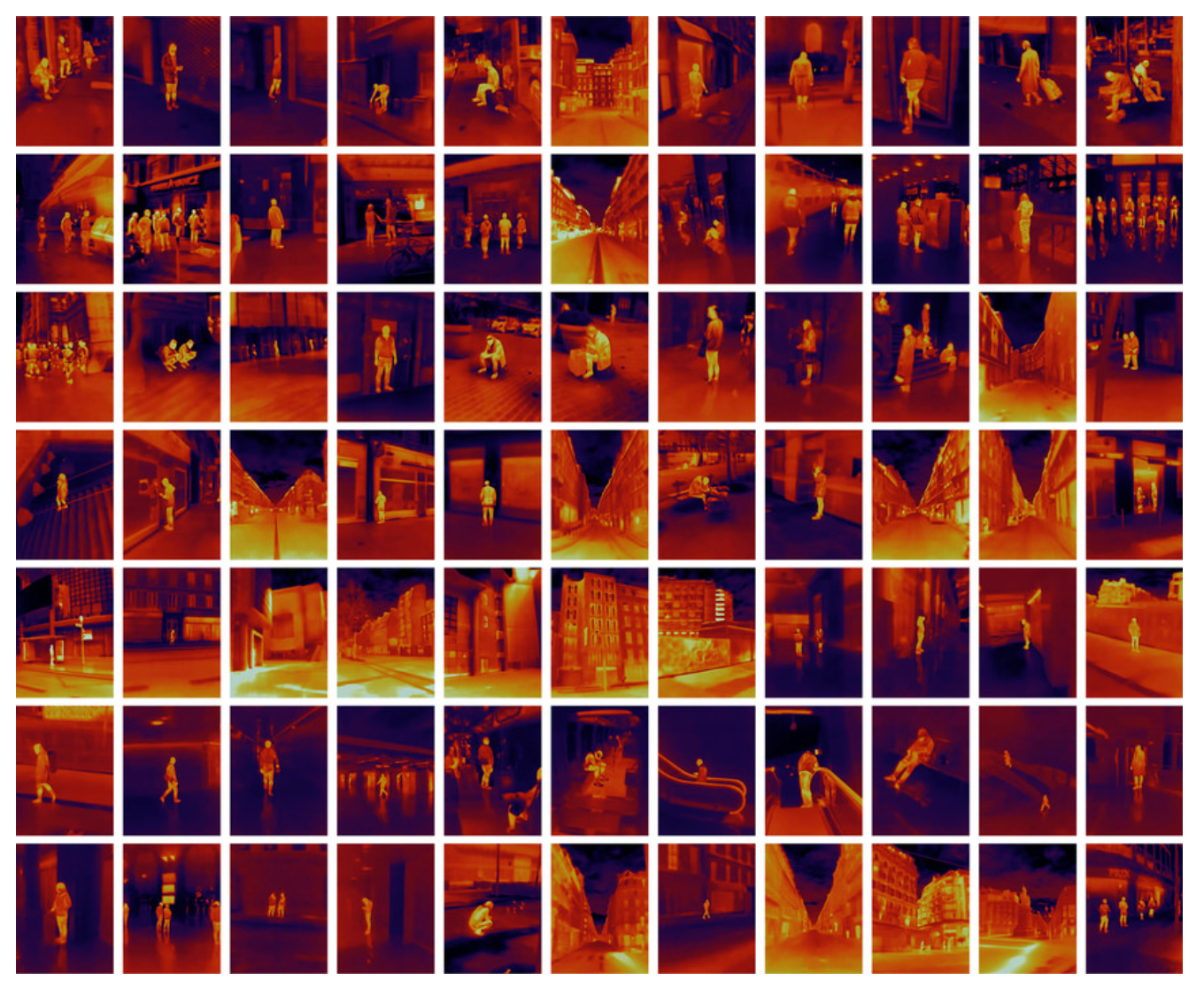
Distro — Covid-19. Paris Lockdown
Antoine d’Agata
Following his ongoing work on body confinement in architecture and urban spaces, Antoine d’Agata worked in Paris during the outbreak of Covid-19 and the resulting lockdown.
Using a thermal camera while photographing crowded and empty spaces, his work investigates the importance of each body in our ordinary, everyday living spaces.
At first, this series may not seem especially distinctive. To many people, it may instead appear very “contemporary”—in the negative sense. We often reduce unusual techniques and incomprehensible images to contemporary art. But if we read the project description carefully, we learn that the photographer used a thermal camera to document life in France during the beginning of the pandemic and the lockdown. Because body temperature was being measured to identify possible infections, choosing a thermal camera as the medium was entirely natural. Once we understand the intention and method, the project becomes direct and easy to comprehend. Seen this way, it may not be so “contemporary” after all (laughs).
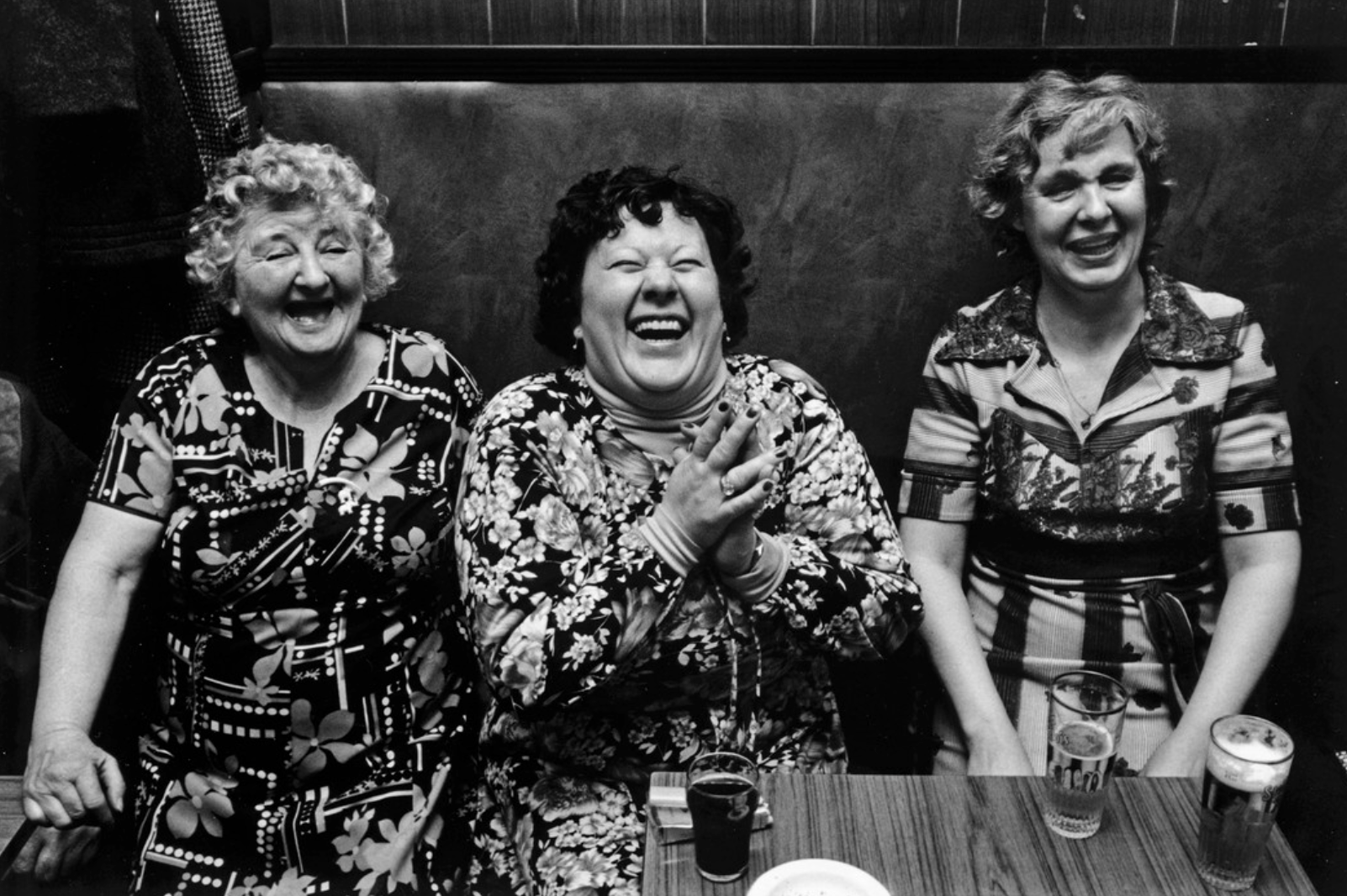
Richard Kalvar
BELGIUM. La Louvière. Carnival. Laughing women in a bar. 1979.
The image above is simply a black-and-white photograph, and its subject is equally simple: three women laughing. But if we look carefully at their faces and clothing, it is easy to be moved by the emotion. Although nothing especially funny is happening within the frame, I feel the corners of my mouth beginning to rise. The curious question “What are they laughing about?” remains in my mind.
The photograph is also part of a project about “laughter.” If we view the entire project and see how different people around the world laugh, we can return to this particular image with a more interesting understanding of its smiles.
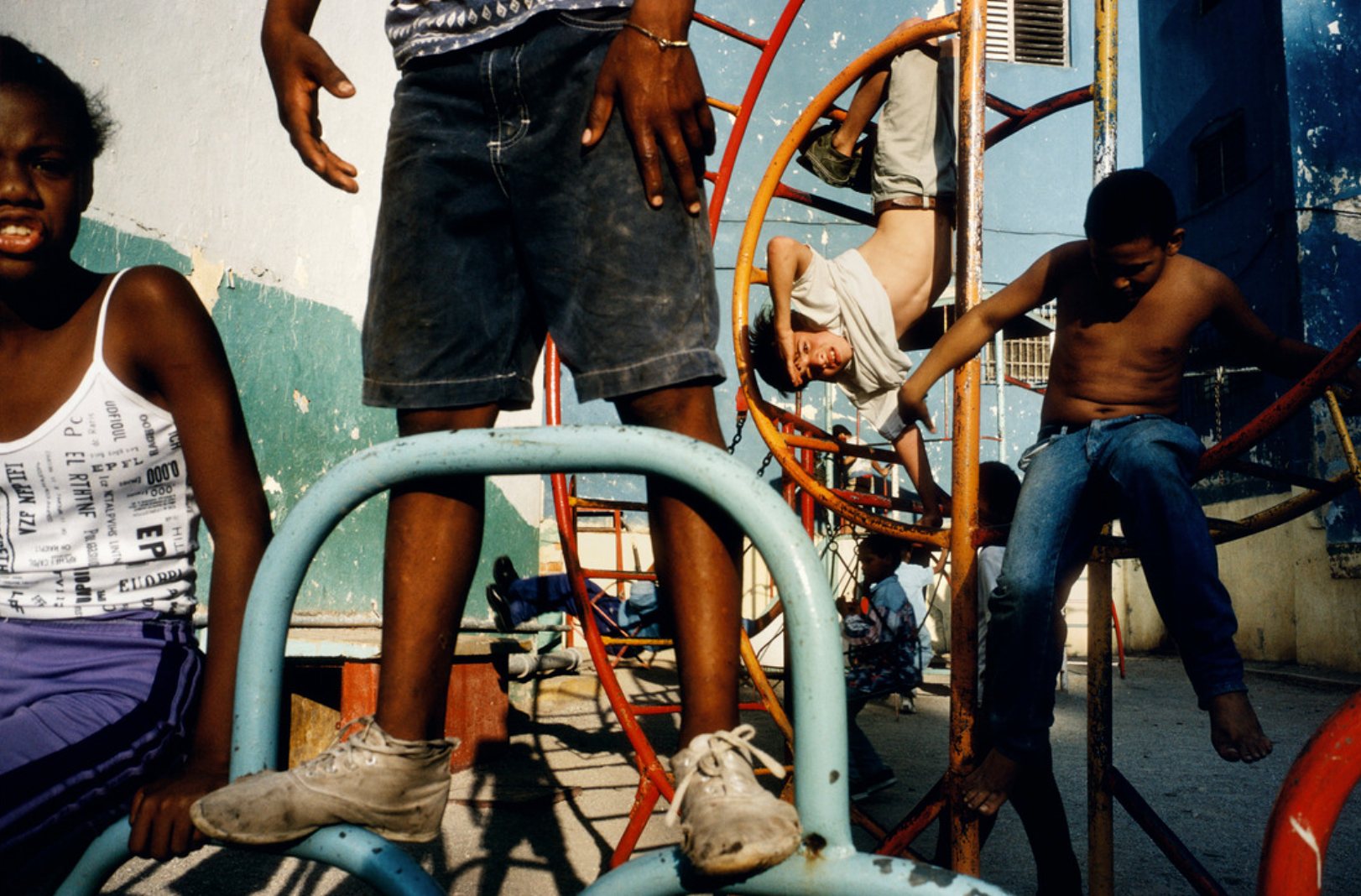
Alex Webb
CUBA. Havana. 2000. Children playing in a playground.
Some good photographs possess strong structural characteristics. A well-known example is Alex Webb. His complex compositions have influenced many Chinese photographers, and I also once enjoyed working in this way. Webb’s compositional method pursues harmony among the different objects within the frame. Painting had already explored this approach. Complex composition becomes much easier to understand when viewed from the perspective of painting.
Traditional golden-ratio composition often looks better than a simple centered composition, but it can also become repetitive. Complex composition stimulates the eye and the mind. When people view such an image, the brain is pushed to ask, “Why do the people in the picture form this shape?” and “Does objective beauty exist in the world?”
For me, therefore, a good photograph cannot be defined simply by “strong blur,” “high sharpness,” or a lens that seems to “cut through the air.” A good photograph instead possesses qualities such as “thought,” “interest,” “structure,” or “feeling.”
03 — Directions Worth Trying
Over the years, I have tried many methods and taken many wrong turns. Photography is not a simple reflection of the physical world. Thinking of it that way can lead quickly into a dead end.
I now have a vague sense that photography is self-expression. This statement should sound natural, so why add the word “vague”? Because even when we know photography is self-expression, we understand the “self” very poorly (laughs). To improve as a photographer, inward self-exploration is essential.
Self-exploration is difficult and takes time. The following are several directions that can first be explored through technique.
Structure and Composition
The first method is to step temporarily away from traditional composition, such as centered framing and rule-of-thirds arrangements based on the golden ratio. I am not saying that these methods should be abandoned completely. Instead, we can deliberately practice the complex composition discussed above.
Complex composition is not especially difficult to practice. The most important thing is to adjust how we think about the frame and the people within it. Traditional composition repeatedly tells us to emphasize the subject. In complex composition, we need to abandon the single subject and search for order.
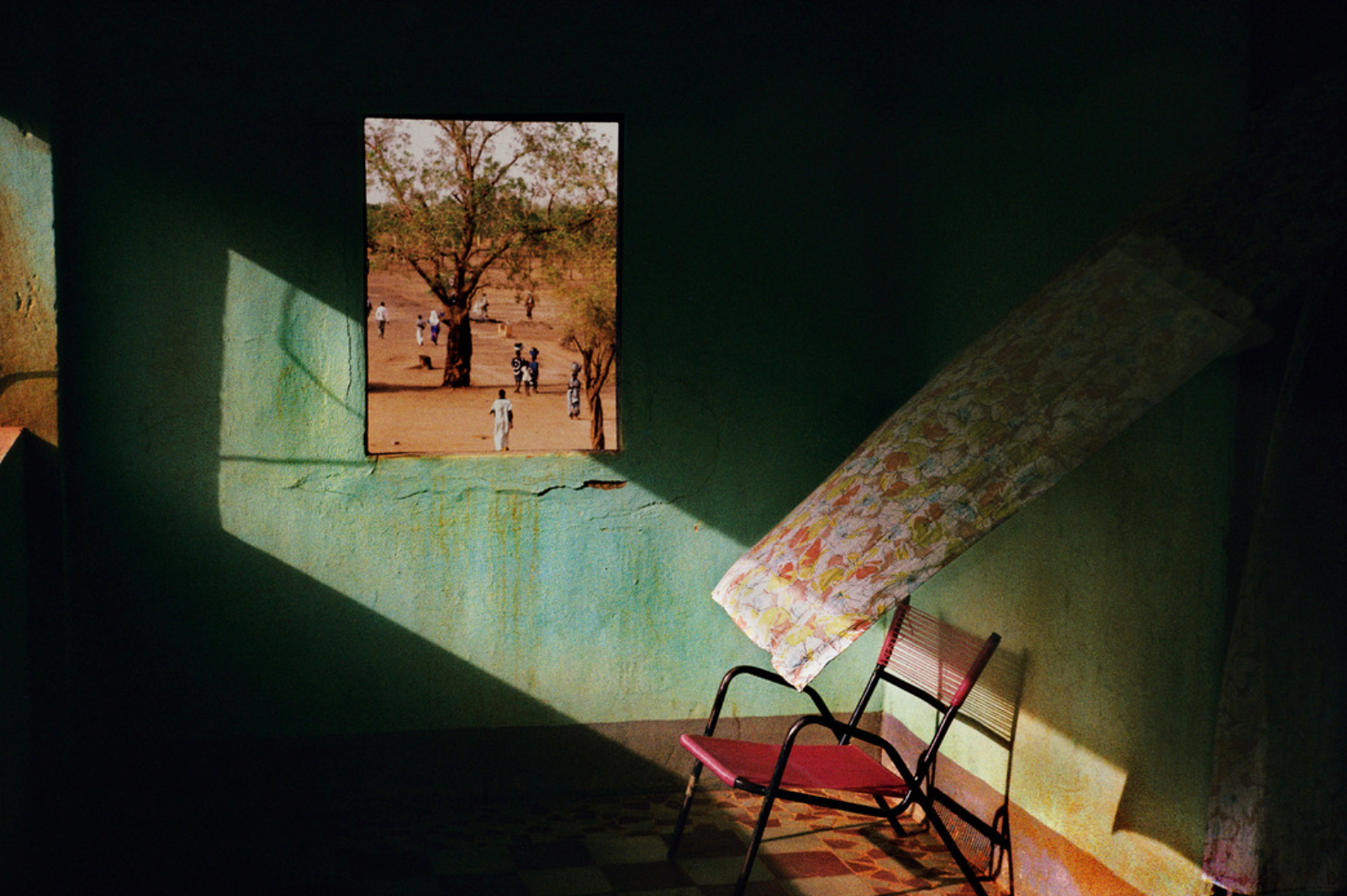
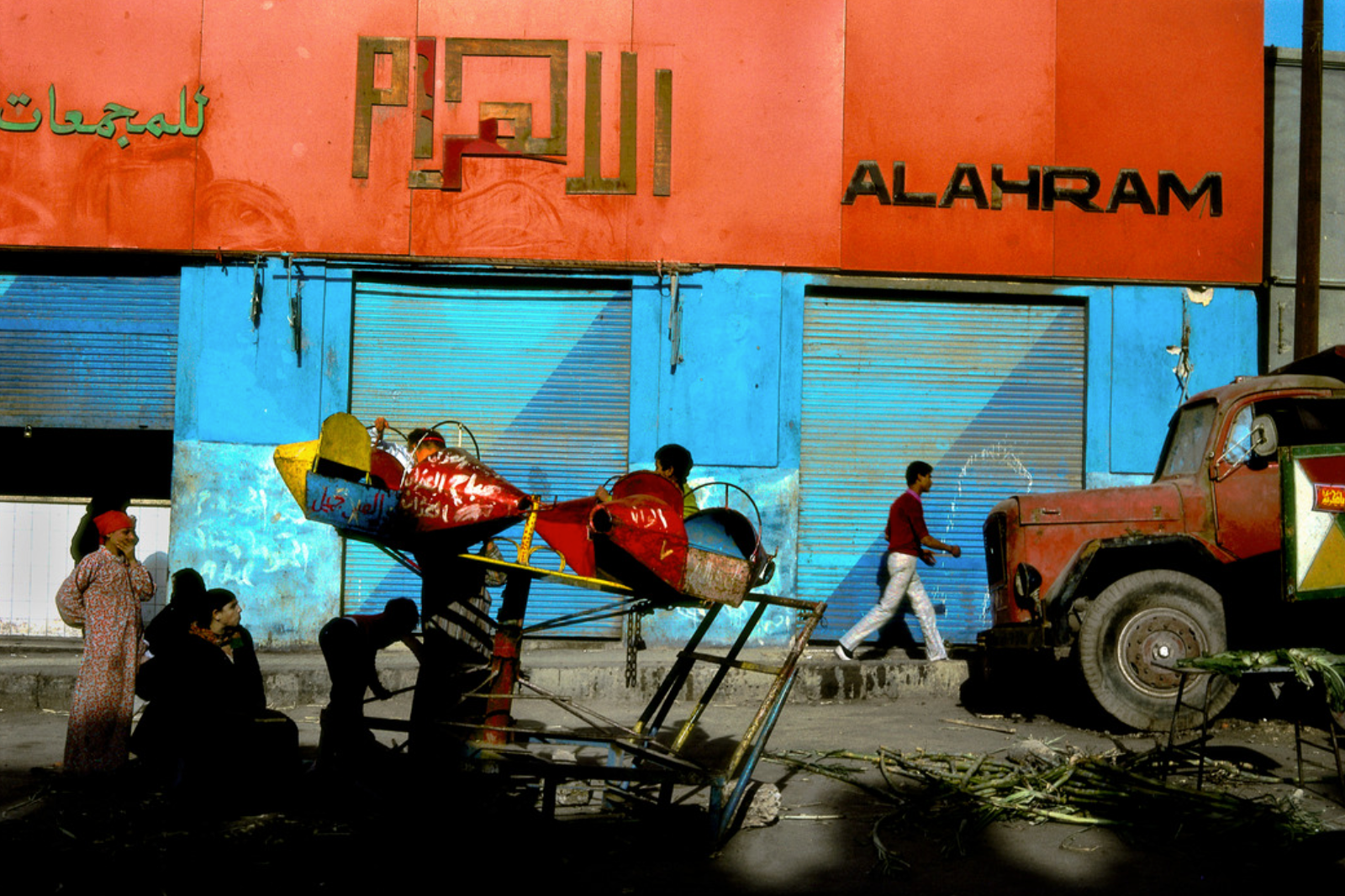
The two images above use highly “nontraditional” compositions. They contain neither wide-aperture blur nor extremely sharp objects, yet balance can be found across the entire frame.
The first image is set in a narrow room. A beam of light falls on a chair, while patterned fabric resembling a curtain moves gently in the wind behind it. It seems as though someone had been sitting there and has just left. The green wall and red chair form a clear color contrast. A single beam of light in the dark room creates a balanced, quiet image. Looking through the window produces another picture, one that seems both real and imaginary. The window can reflect movement outside, contrasting with the frozen stillness indoors. It can also resemble a painting on the wall, a daydream beneath the quiet. The contrasts between colors and between movement and stillness leave considerable room for reflection.
The second image is distinguished by its structure. The arrangement of people produces beauty. Removing any person or object would disrupt the balance. The relationships among the colors are as important as those among the objects. The blue wall and red sign correspond with the blue sky and red truck. A simple color contrast is used without introducing too many additional colors. The balanced relationships among people and things produce a strong, stable beauty of points, lines, and planes.
The Beauty of Humor
Structure and composition can create beauty through the balance of points, lines, planes, and colors, but they may also produce a sense that “form outweighs content.” I remember that some war photographers with artistic ambitions were criticized for making war appear too “beautiful.” Its brutal core was discarded, creating an unreal distance and a feeling of alienation. When emphasizing structure and composition, we therefore need to remain alert to rational beauty drifting away from emotional content.
Another approach is to search for the beauty of humor.
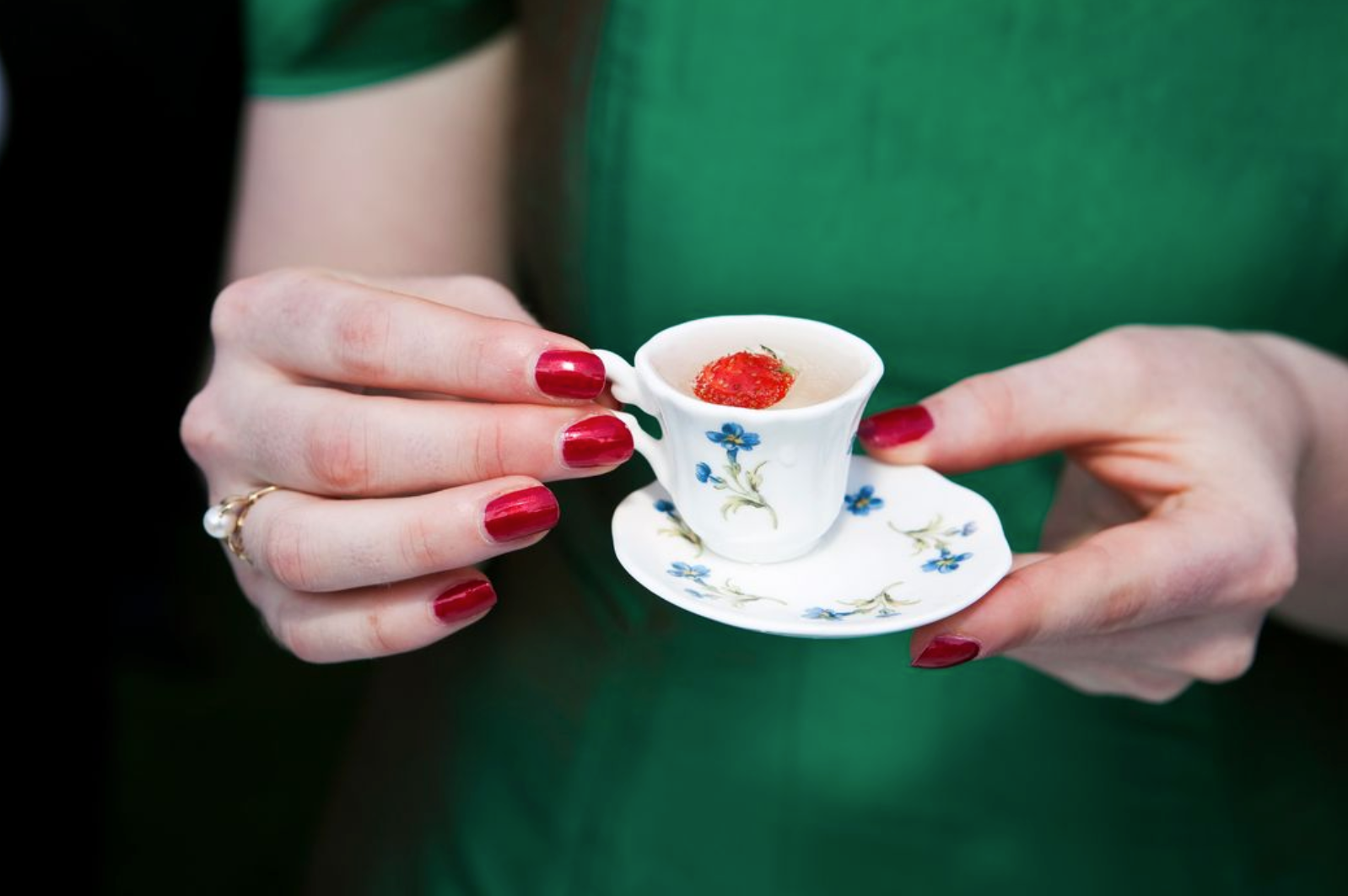
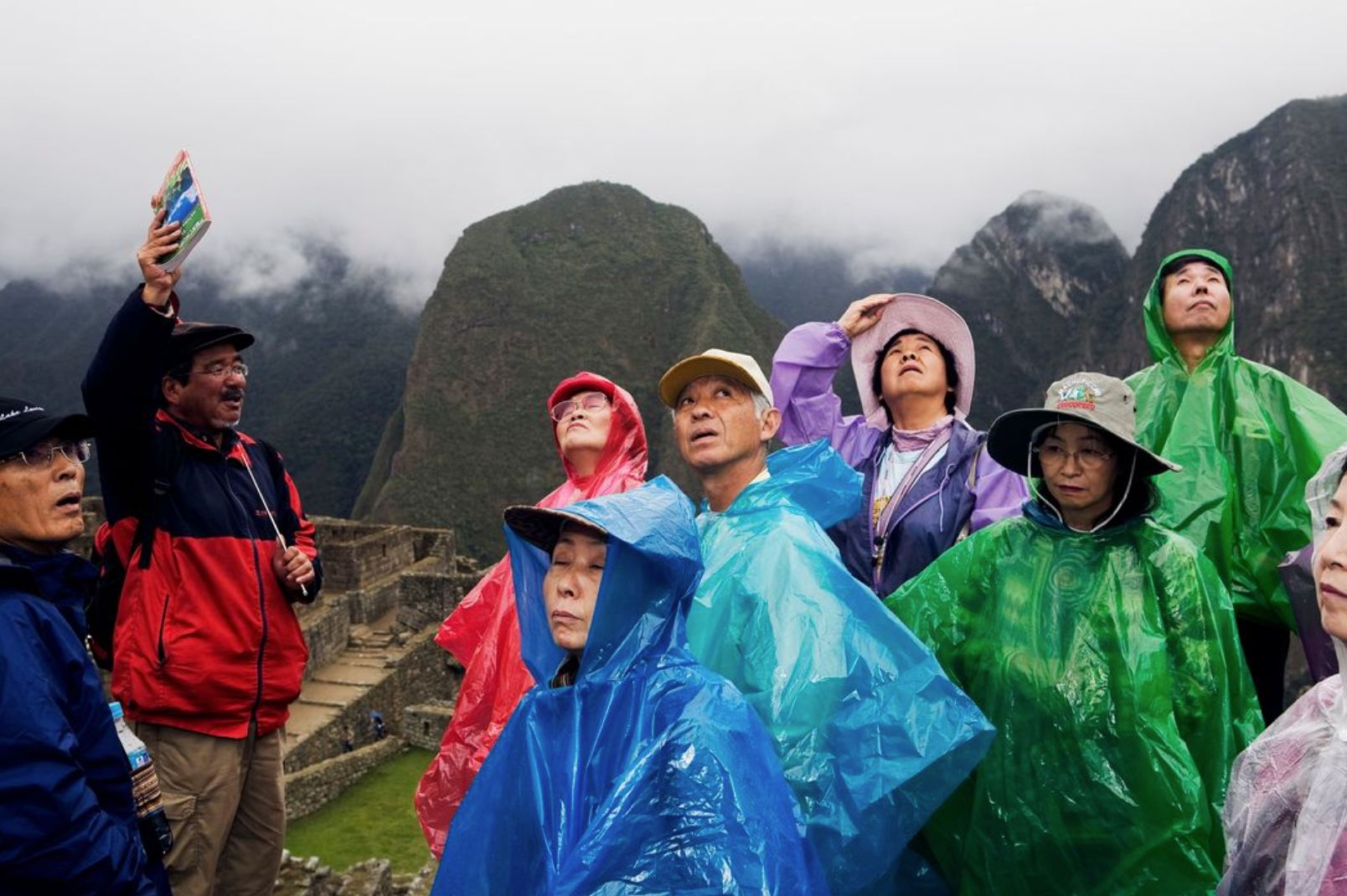
The two photographs above are by Martin Parr. I personally enjoy his work because it contains many amusing details, including black humor.
The first image shows a distinctive observation of color and a small joke that is difficult to explain. An elegant woman holds a tiny teacup. The red strawberry on the cup resembles the color of her nail polish. The coincidence feels like a private joke.
In the second image, a group in brightly colored raincoats reluctantly listens to a guide in bad weather. Their expressions are the opposite of their clothing: bright coats surround gray, impatient faces. Some look at the sky, while others stare blankly, contrasting with the guide’s expression. This also sets the colorful foreground against the dull landscape behind it. The most interesting part of this tourist photograph is not the scenery, but the helpless people. “Perhaps it was not a good day for an outing.”

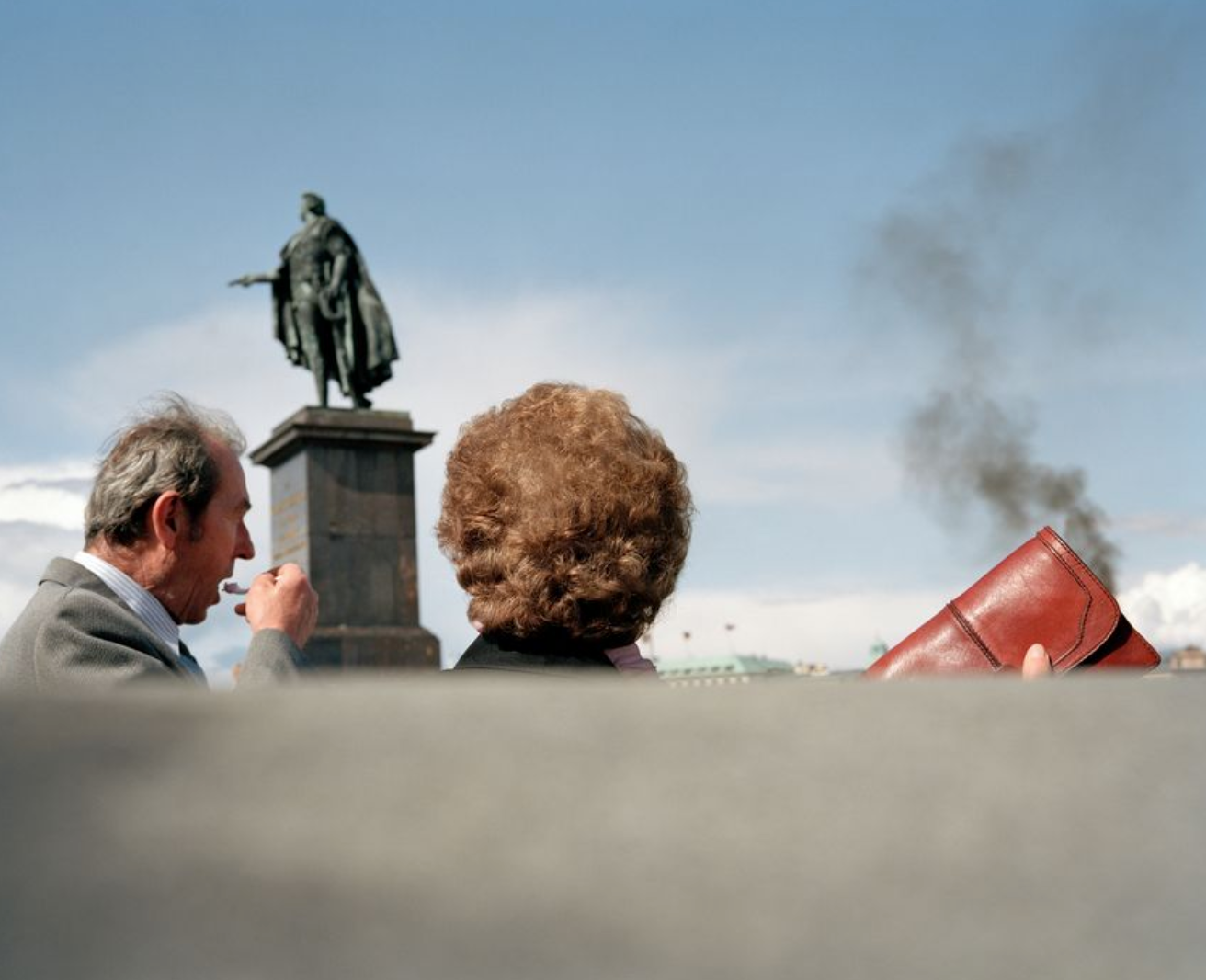
The first of these two images probably requires little explanation before its secret becomes apparent.
Actively searching for interesting events in everyday life can also help us improve quickly. Photography here moves beyond the surface narrative of the image and provides a more interesting internal text. It resembles a joke hidden in a dark hole, giving us one end of a rope and allowing us to pull slowly as we explore the humor inside.
In China, Liu Tao is also known for photographic humor.
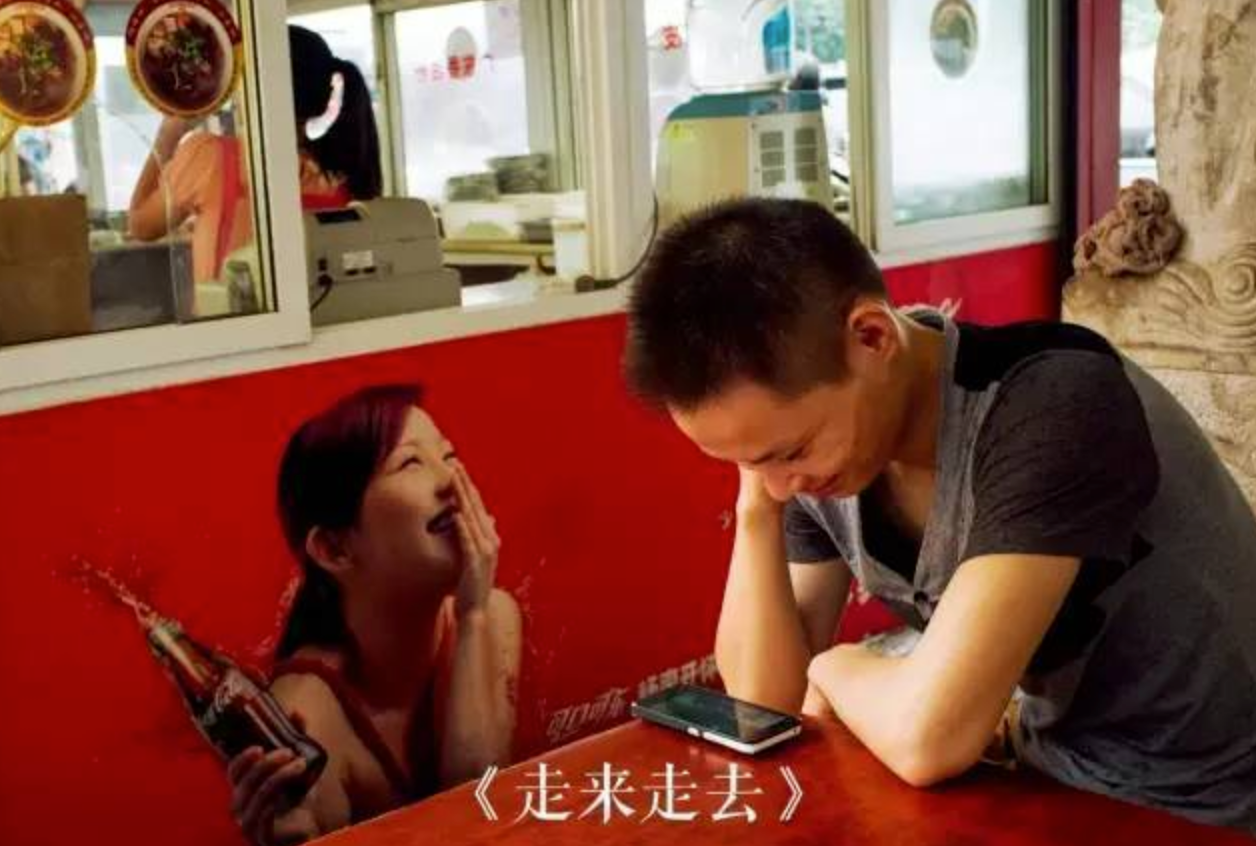
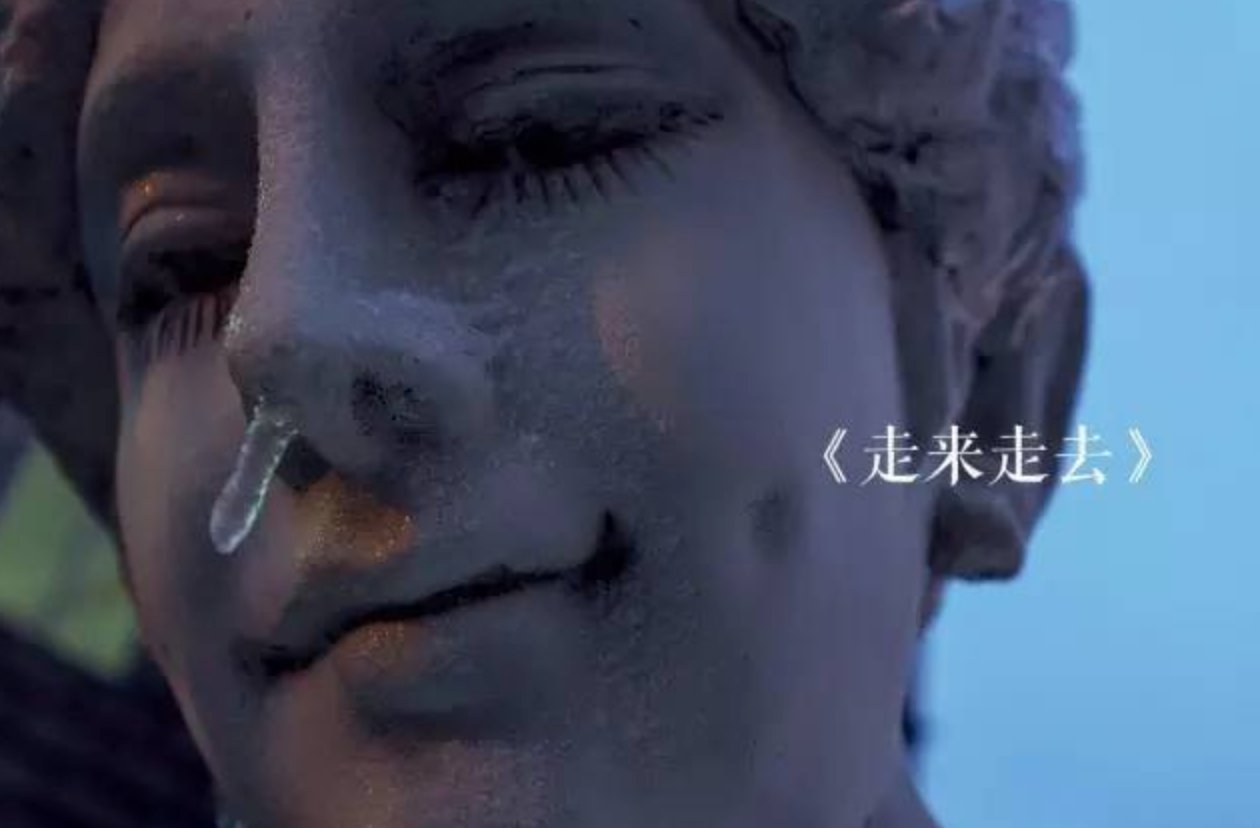
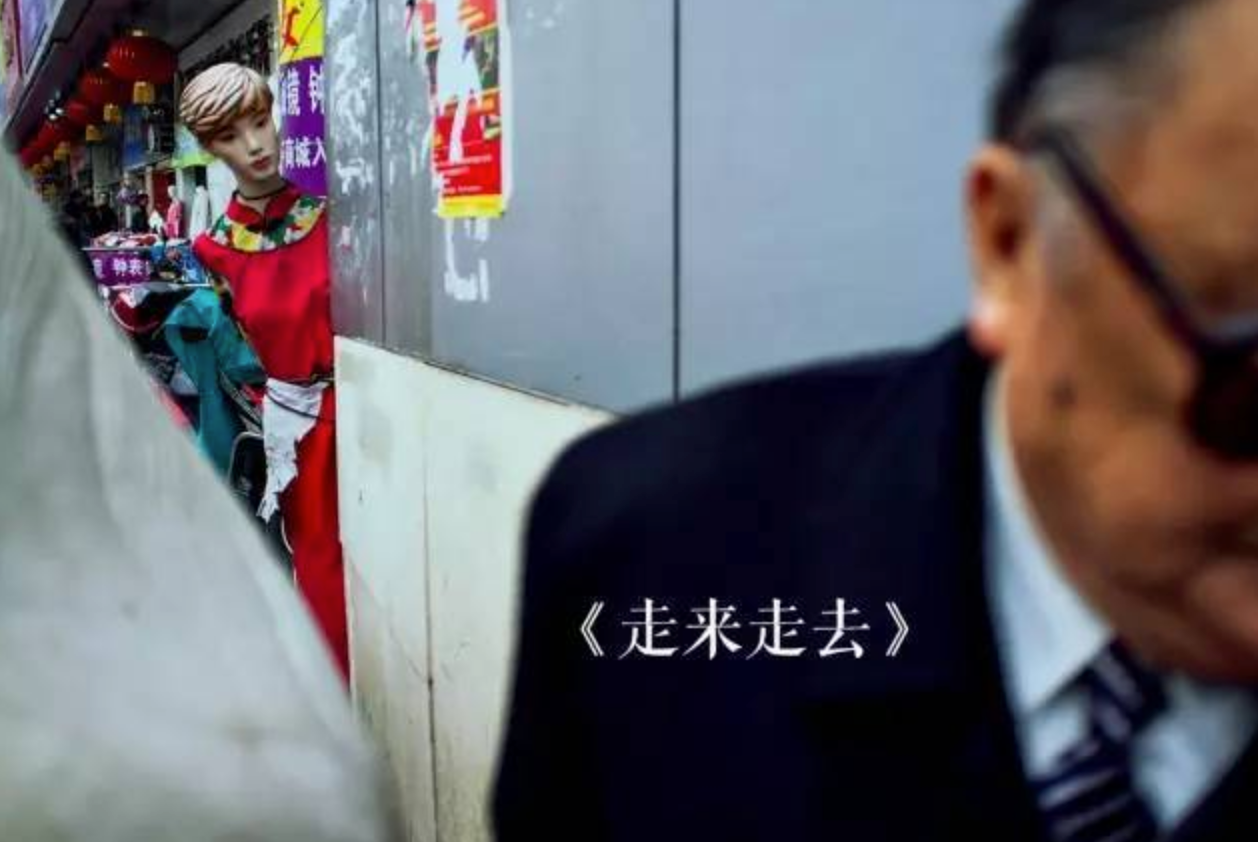
Self-Expression
For many people, photography is also a form of self-expression. I regard self-expression as one of the most admirable forms of photographic practice. Yet it is extremely difficult. Many people spend their entire lives without finding the self, much less expressing it.
In today’s impatient photographic environment, self-expression is often accompanied by failure because most people are unwilling to understand a creator through images. Although I consider it one of the more advanced forms of photographic art, it is also among the easiest to fail.
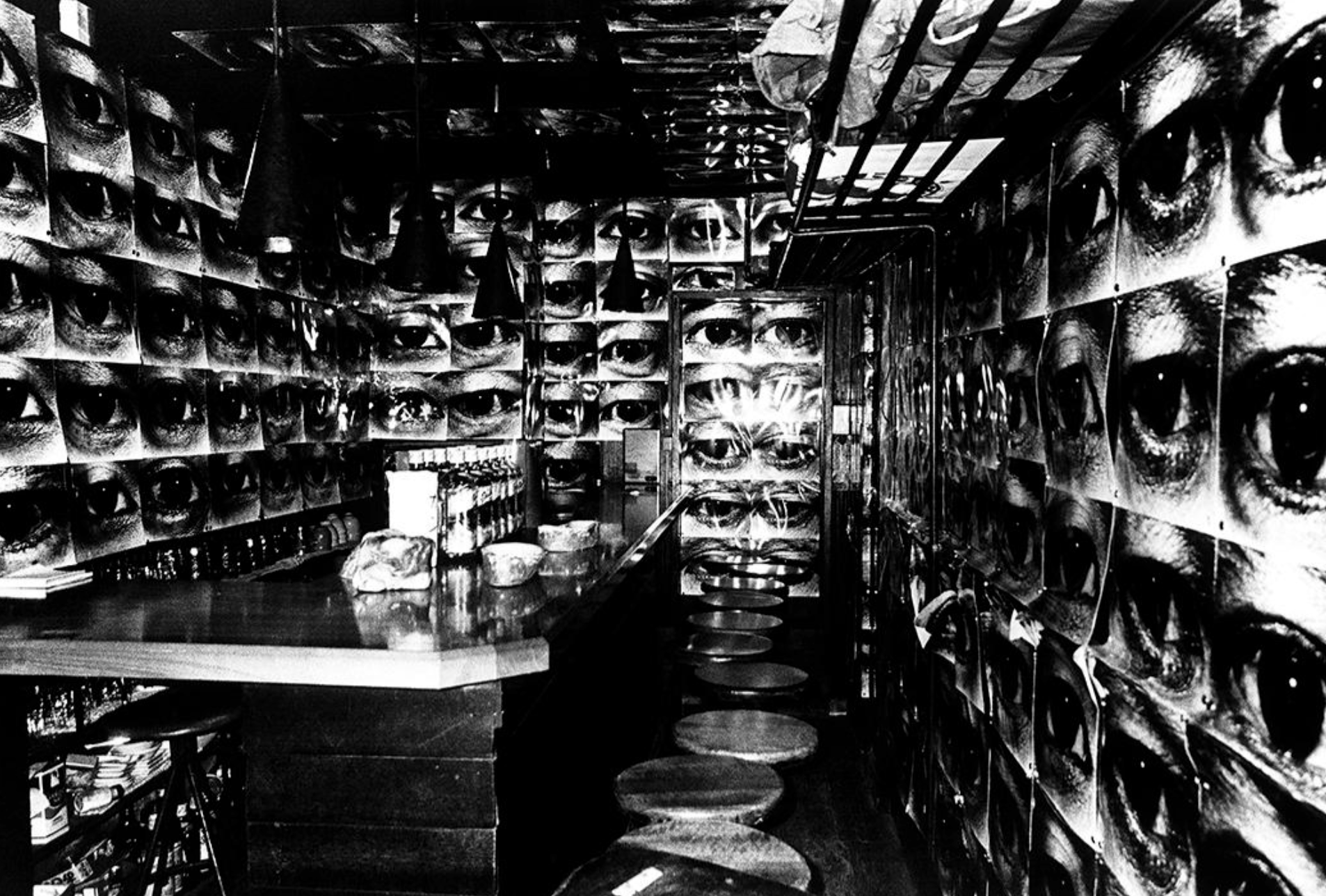
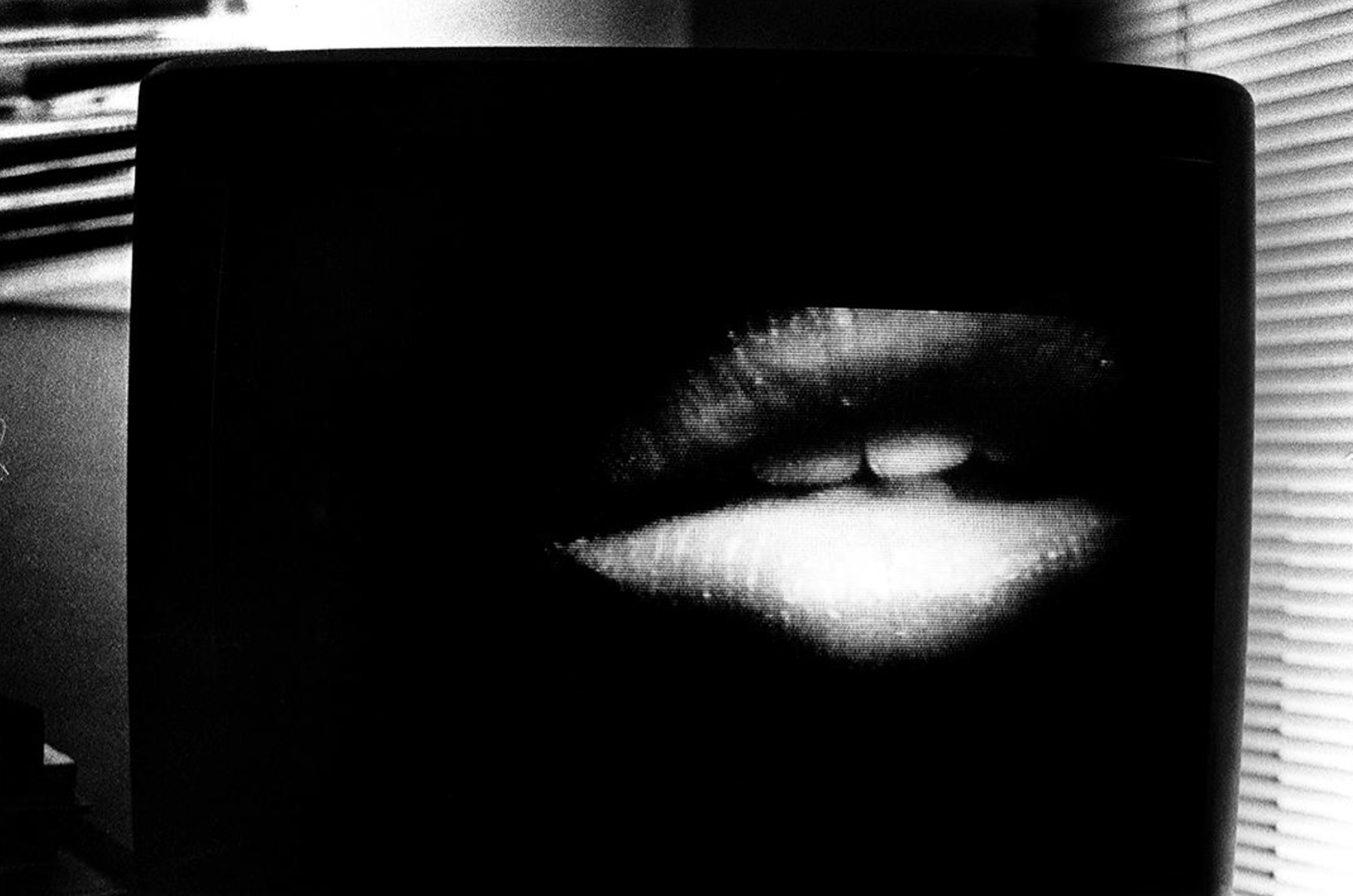
The two images above are filled with tension. If we have read Moriyama’s own account, we can understand that he had no work at the time and wandered the streets while complicated emotions grew like weeds that could not be removed. Each day, like a dog, he casually “relieved himself,” using the camera to record a world that seemed “unclean.”
Many people previously found it difficult to experience this state personally. Under the pandemic, I believe more people began to understand this sense of “instability” and “powerlessness.”
Everyday Photography
Everyday photography occupies a large place within self-expression. It developed extensively in Japan, where one form is known as “CONPORA.” The method appears casual but actually requires considerable skill. Someone uninterested in exploring the inner nature of the world will naturally reject this photography. If that rejection is replaced by openness, however, an entirely different view may emerge.
CONPORA photography has five “visible characteristics.”
The first is horizontal composition. The vertical structure of a portrait-oriented frame carries strong meaning, making the photographer’s intention and chosen way of dividing the world too direct. The work can then approach “serving-the-great” thinking and become overly simple.
The second is an absence of dependence on compositional aesthetics. It rejects the formalized “composition” of level horizons, rigidly aligned buildings, conveniently placed curves, and the doctrine of the golden ratio. Otherwise, the work cannot escape factory-like repetition.
The third is an absence of dependence on excessive technique. Methods associated with Alex Webb, or photography centered on “waiting for the best moment,” can appear overly objective and controlled, producing a strong sense of separation.
The fourth is that most subjects are “ordinary things that we sometimes see around us.”
The final point is that these are “never explanatory photographs.” A beautiful woman does not have to look beautiful, a poor person does not need many wrinkles, and an image does not have to be immediately easy to understand. CONPORA instead proposes photography that “uses no explanatory language and allows the photograph to express itself.”
It is worth noting that when we like this kind of work, we may actually like the photographer, because the photographer is expressing the self (laughs). This is precisely why self-expression is both the most difficult and the easiest photographic direction to fail.
04 — Reading and Photographing
Many people believe that improving photography necessarily requires taking more pictures. I do not think this is wrong. But most people overlook the importance of reading photographs. Increasing the number of images we view and study gives us new ways of understanding a “good photograph.”
I once believed that a good photograph had strong blur, no noise, and considerable sharpness. I also thought photography did not require learning through looking. In reality, looking is extremely important. Understanding a Photograph is one of my favorite books and has influenced me deeply. One of its most important lessons is that the position from which we understand an image matters. Our choice of perspective and understanding of photographic work also shape our own photography over time.
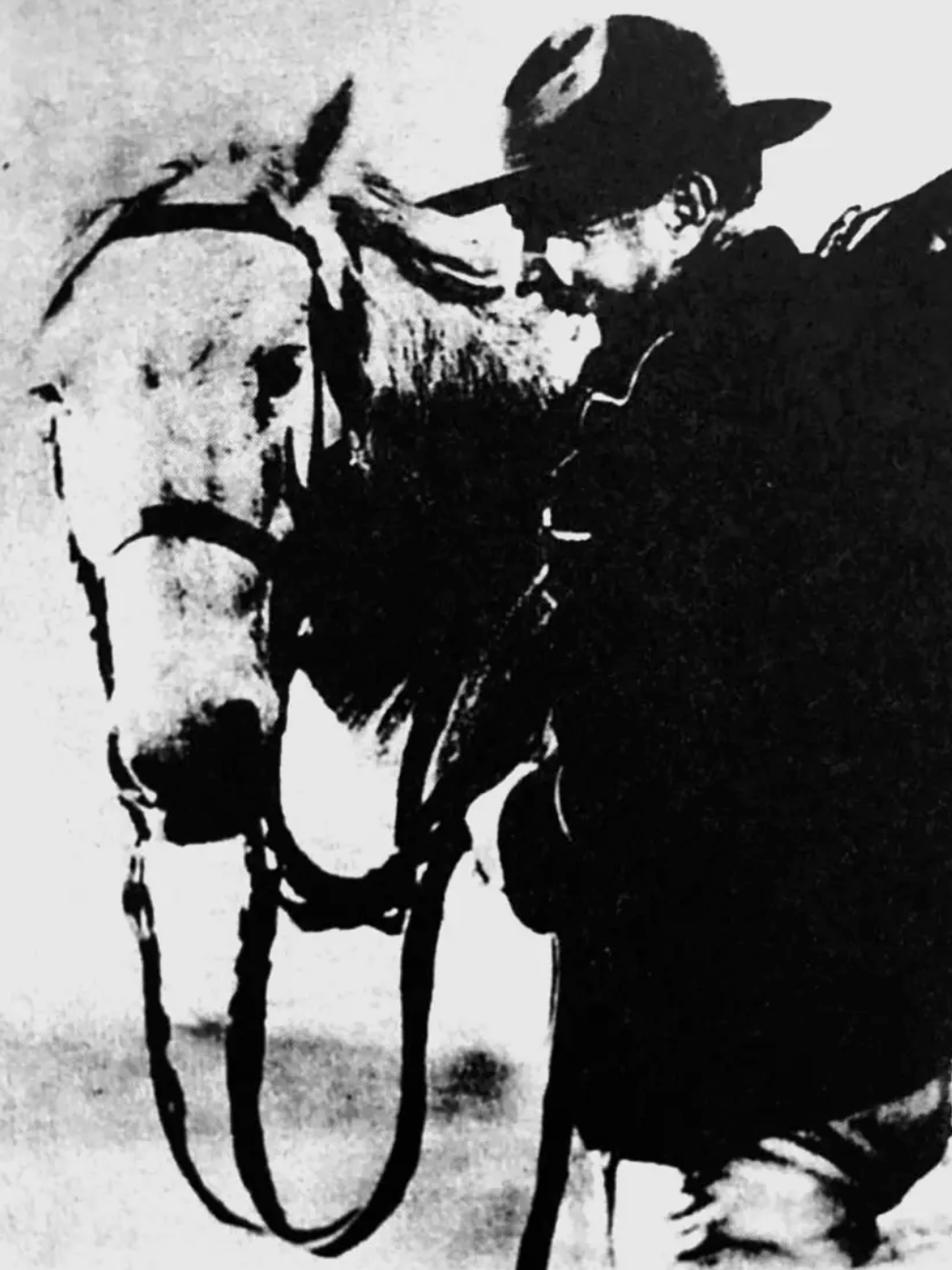
We might play a game of inventing meaning. “The last Canadian mounted policeman”—his smile becomes nostalgic. “A man who burned down a farm”—his smile becomes sinister. “Before a two-thousand-mile journey”—his smile becomes slightly worried. “After a two-thousand-mile journey”—his smile becomes humble.
The most precise information supplied by the photograph is the type of bridle worn by the horse, but that was surely not the reason the picture was taken. Looking only at the image, we can hardly determine its category. Is it a family-album photograph, a newspaper image, or a traveler’s snapshot? Could the photograph have been made for the horse rather than the man? Is the man merely a groom present to control the animal? Is he a horse dealer? Or is this a still taken during the production of an early Western film?
The photograph offers indisputable evidence that the man, the horse, and the bridle once existed, but says nothing about the meaning of their existence.
If we cannot try to understand a photograph, we cannot make good photographs or explain the elements within our own images. We can only pray for good fortune and hope that “coincidence” gives us a successful picture.
05 — Summary
I would summarize the important aspects of making good photographs as follows:
- Define a good photograph. If the standard is only strong blur and high sharpness, “goodness” cannot be established
- Look at different kinds of good photographs
- Structure and composition
- The beauty of humor
- Self-expression
- Everyday photography
- Reading and photographing
This article has said almost nothing about cameras or settings. That is intentional. I do not believe the way to improve photography depends on the camera or its settings, or even only on the amount we photograph. What matters more is visual judgment. We must develop our sense of beauty before we can understand beauty; once we understand it, we can discover it; and once we discover it, we have the possibility of making good photographs.