
Something Was There: Photography and Presence in the Age of Generative Images
Recently, I started rereading On Photography and Camera Lucida. I say “rereading,” but I am still doing it in a very traditional way. I am not searching for a passage on a screen or throwing a question at AI. I am actually taking the books down from the shelf and turning the pages one by one. Returning to this old way of reading after so long has made me reflective.
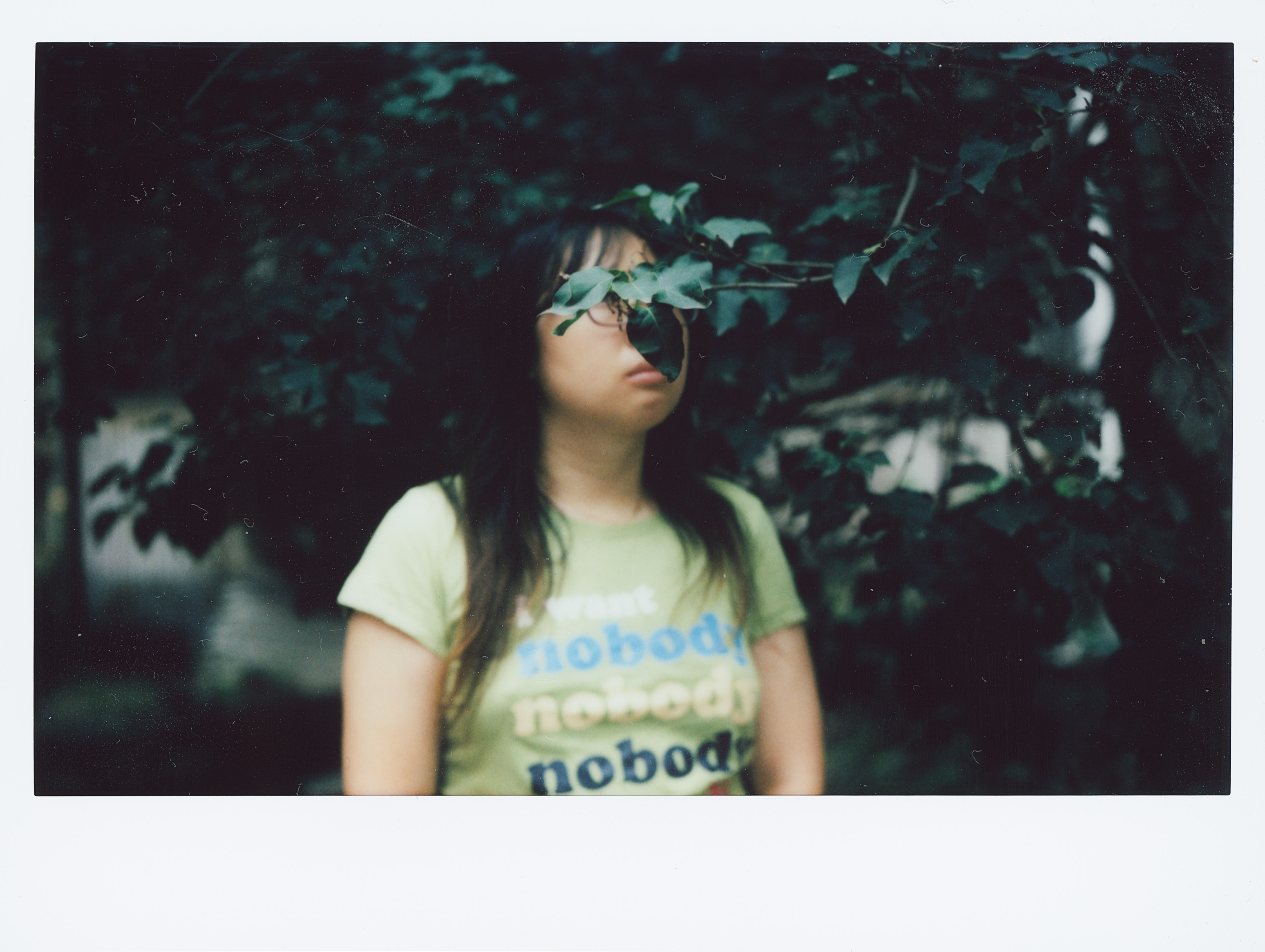
It may seem like a pointless gesture, especially today. Ink does not tell me more stories simply because my fingers touch the page. Yet strangely, for all these years, I do not think I ever doubted that the people, streets, rooms, and light in these photographs had really existed. I could question the photographer’s motives, the cropping, selection, and narrative of a photograph, or even whether a photograph was lying. But it was not until AI became capable of generating almost any image that I realised I had never asked a more basic question: did the thing in front of the lens ever exist?
Of course it was there. That seemed self-evident. Light once fell on someone’s face. Someone once walked down a street. A window was once open, with a breeze passing through it. Light reflected off these things, travelled through a lens, and left a trace on film or a sensor. Later, that trace was developed, scanned, printed, and copied. But the moment itself had long since disappeared.
Today, I can type a few sentences into a computer and place someone who was never born on a street that never existed. Four o’clock sunlight can fall across his face, while a camera that never existed gives the image just the right shallow depth of field. The image can have grain or missed focus, or a slight motion blur caused by a “slow shutter.” Even the marks that once came from film, lenses, cameras, and a photographer’s mistakes can now be reproduced with precision. The image still has almost every outward feature of a photograph. The only thing missing is the moment.
Rereading Camera Lucida brought me back to what Roland Barthes called photography’s “that-has-been”: whatever later viewers may make of a photograph, the thing it points to was, at the very least, once there in front of the lens. This does not mean, of course, that photographs cannot lie.
01 — Deep: Flashes in the Night
When I first got into photography almost ten years ago, I quickly realised that accurate exposure and “correct” composition were not enough to make a good photograph. Back then, I still thought of photography simply as taking pictures, and every image was a photo. I had a vague sense that there might be more to it, but mostly I saw taking pictures as an ordinary domestic activity, part of everyday life.
About two years after I began, eight years ago now, I wrote the first post for this website. In rather immature language, I wrote about a project called Deep. At the time, I knew nothing about Daido Moriyama and had never heard of The Americans. I photographed by instinct. I was a frustrated office worker who sometimes could not leave work even at three in the morning. With a battered film camera and a flash that was not quite powerful enough, I wandered alone through Beijing’s hutongs, aimlessly letting my feelings spill out into the night. I really knew nothing then. Compared with how I work today, all I had was raw impulse: an emotional outburst, mixed with a distorted kind of confusion that had nowhere to go. It all came out in one flash after another, like a silent scream.
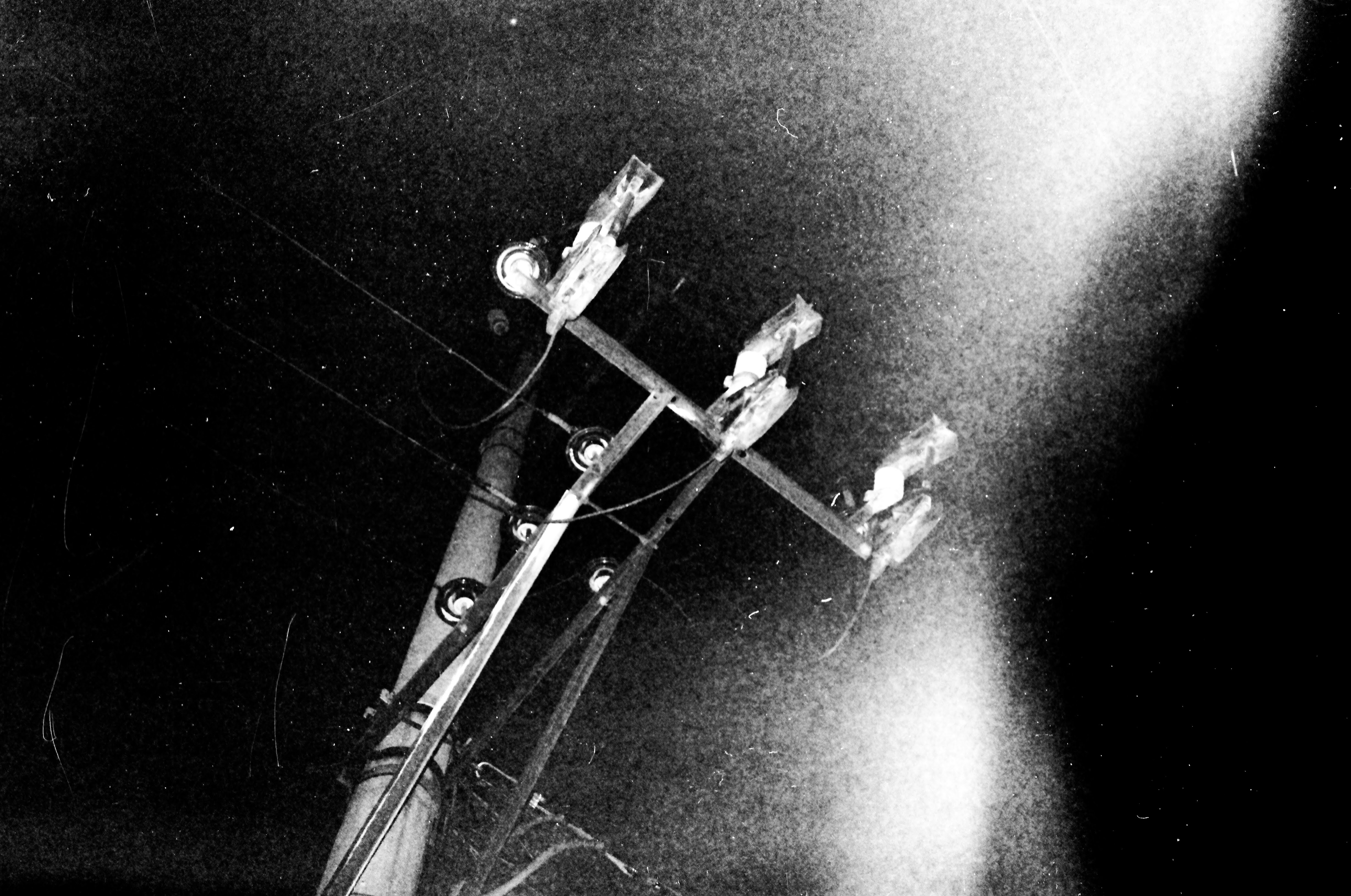
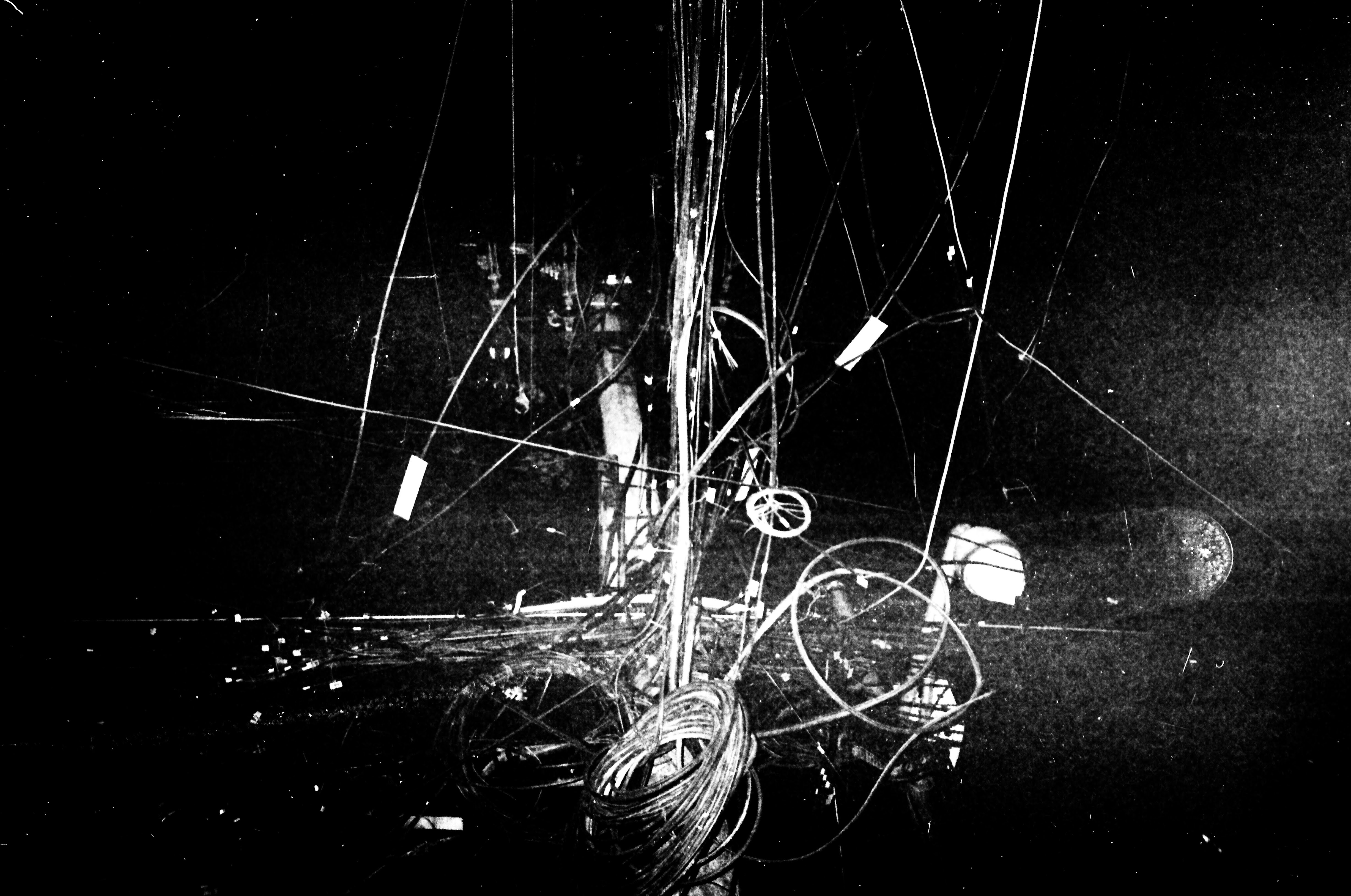
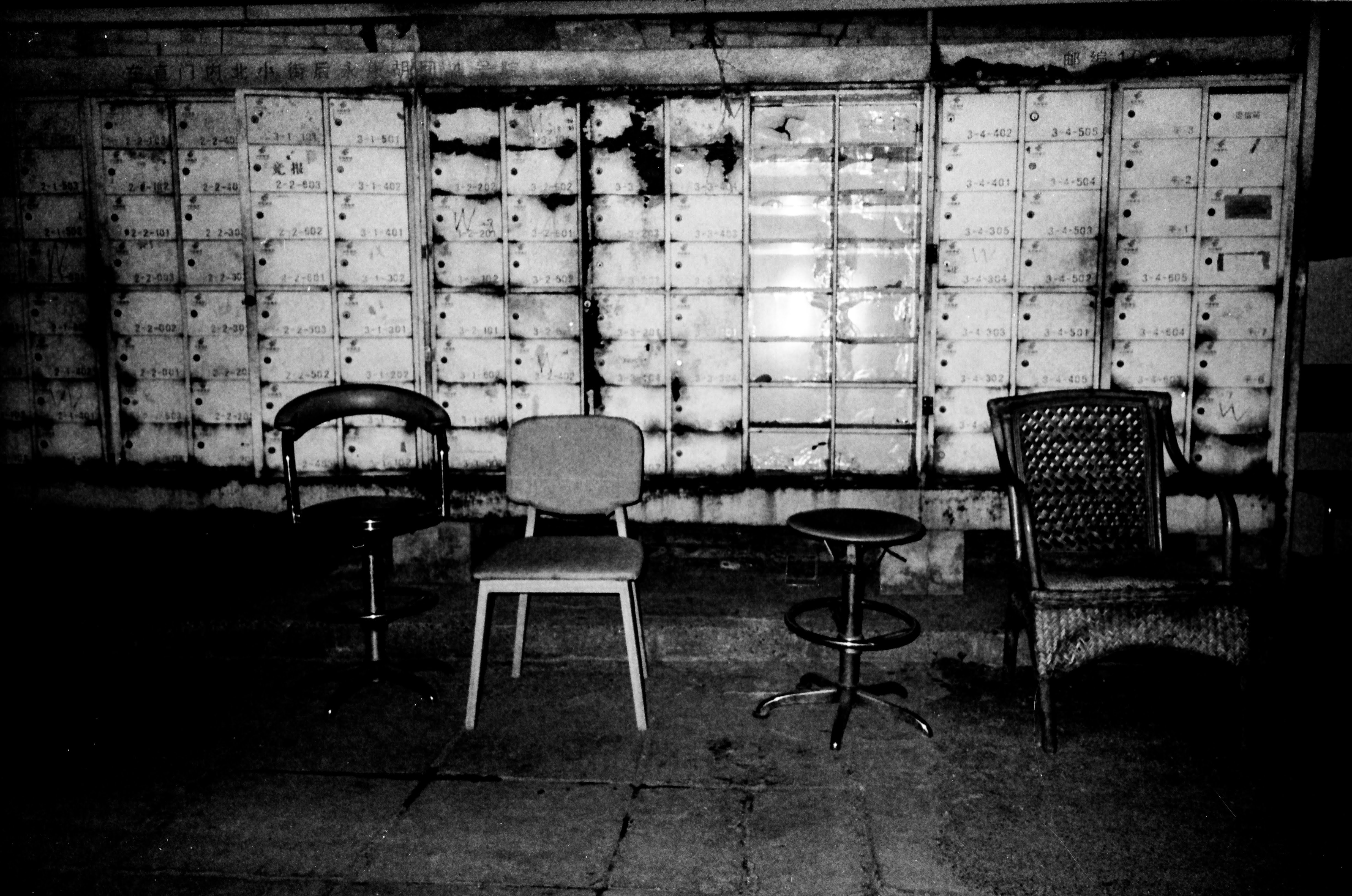
I did not know how to develop film, so after the shoot I sent the rolls to an unknown lab I found online. Perhaps the temperature was wrong, or perhaps the dust had not been cleaned properly. Whatever happened, the negatives came back with too much contrast and heavy grain, and some frames even had light leaks. By any standard, it was not good processing. But when I saw the scans, I found that I liked these mistakes—although I hope no one has their film ruined this way again. In them, I could feel the loneliness of wandering late at night, the frustration and emotion with nowhere to go. The longer I looked, the more I felt I had returned to that night.
The images were still and silent, yet they would not stop making noise.
It was as if the world I knew had changed. During the day, the hutongs were full of voices and everyday sounds: the clatter of traffic, people cooking and arguing, children running around. But when night fell, all of it finally became quiet. It was as if the day had never happened and I had entered a mirror world. Somehow, that silent mirror world felt closer to the truth.
Later, I discovered Takuma Nakahira and Daido Moriyama, and learned that mistakes could become a language. I encountered the idea of shishashin, or “personal photography,” and read Farewell Photography and On Private Photography. Reading about Moriyama’s way of working and the conditions in which he worked helped me understand what blur, disorder, and the body’s instinctive response could mean. That meaning cannot really be imitated. The technique may be copied, but what lies inside it is much harder to reproduce, because a style belongs to a particular time.
He [Daido Moriyama] was not constrained by a professional photographer’s ethics or by a self-conscious desire for expression. At that time, he kept trying to grasp the world directly. The flesh—the naked physical body—was the starting point of this photographic act. Through the tactile sense of his “personal” physicality, he wanted to make an “immediate record.” The coarse grain and movement in his photographs can be seen as the inevitable result of that desire.
I began, somewhat vaguely, to think about what photography was: what kind of feeling an image could carry, and what kind of story it could tell. I no longer saw it only as a way to record family life. Looking back now, it is difficult to recover that original impulse—perhaps this is a kind of “curse of knowledge.” But the process of moving from fact to impression, and then returning through that impression to reconsider the fact, stayed with me.
02 — The Lost Marriage: What Photographs Cannot Remember
For a long time after Deep, I could not find a purpose in photography. The raw impulse and frustration were gone. All that remained was numbness and the instinct to get through each day. I was not completely inactive during that time. I walked the streets blindly, imitating the so-called masters and trying to catch spontaneous scenes. But whatever I did, I could no longer find the urge to press the shutter. Some of the results might have been “good” photographs, the kind that could collect likes online, but to me they meant nothing.
During that period, I went back to my hometown. I lay around the house doing nothing, like a rebellious teenager, staring at the ceiling and trying not to think. Watching my father move busily around the house, I suddenly wanted to make a project about my family. I later realised that, when photographers reach an impasse, turning to family and friends sometimes helps them find a way through. I decided to photograph my father and mother.
My parents divorced when I was ten. In China in 1997, divorce was far less socially accepted than it is today. A divorced family was often seen as a family with “problems,” as if the divorce itself proved that one of the people involved must be defective or somehow wrong. But for me at ten years old, what remained was simply a feeling of being abandoned.
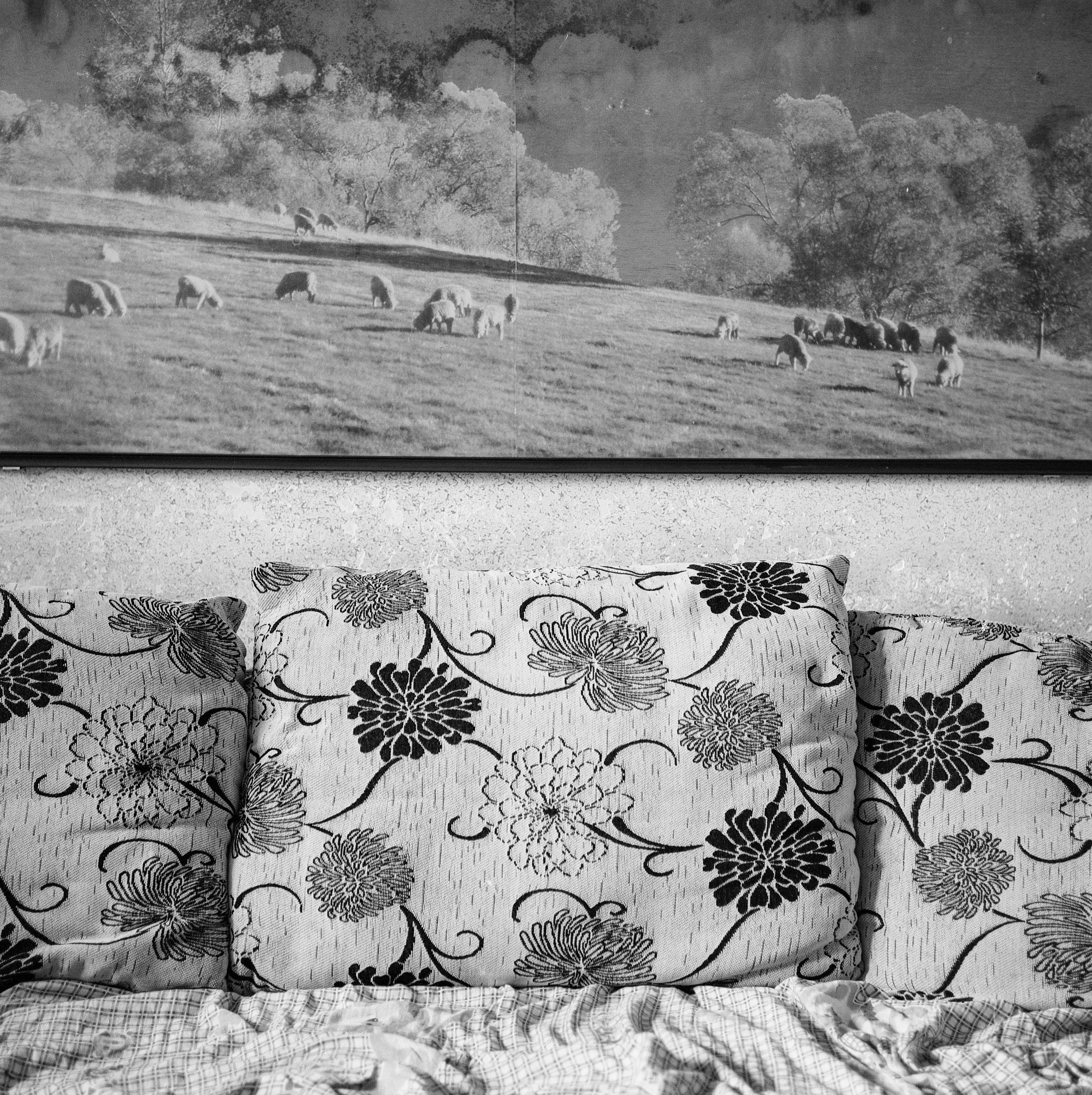
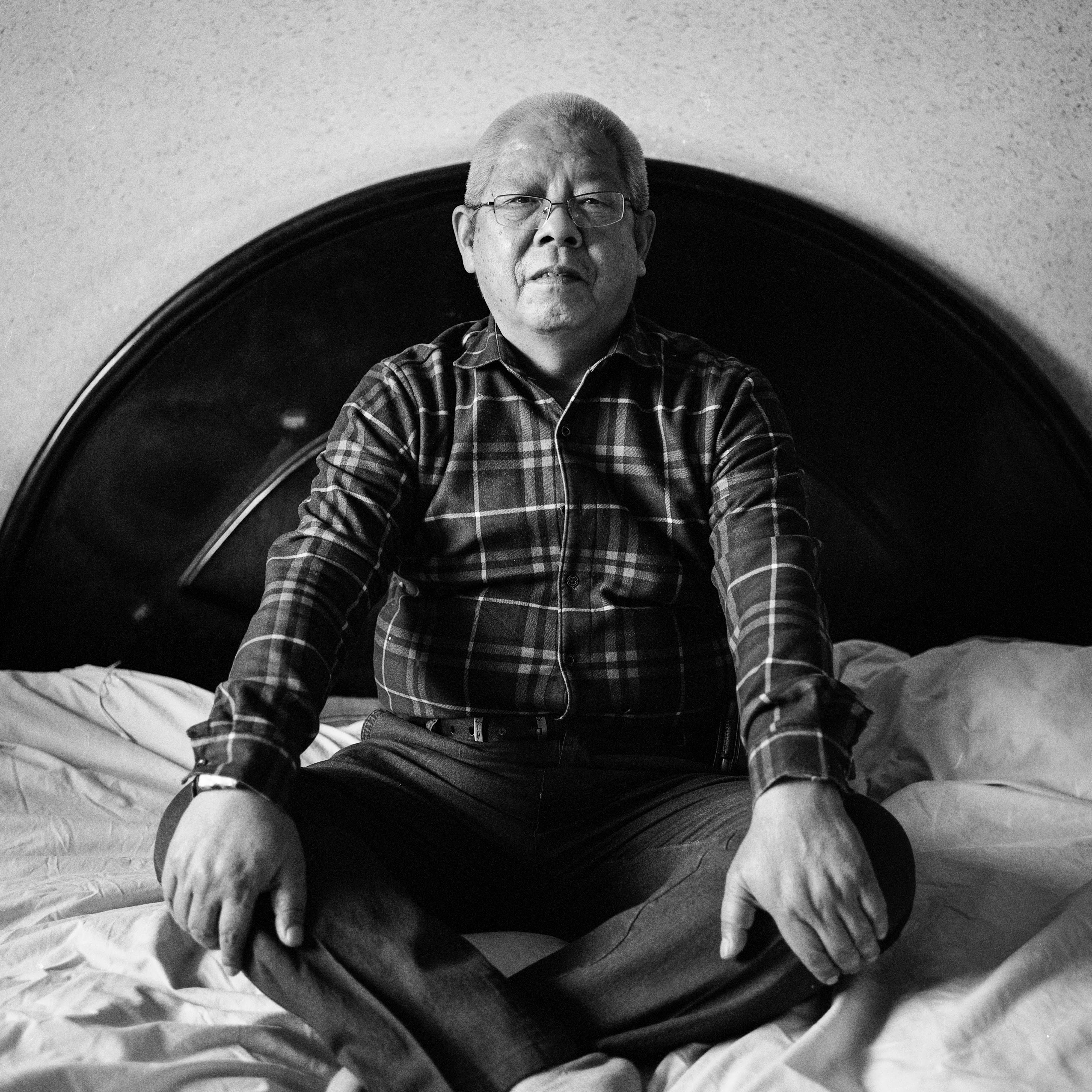
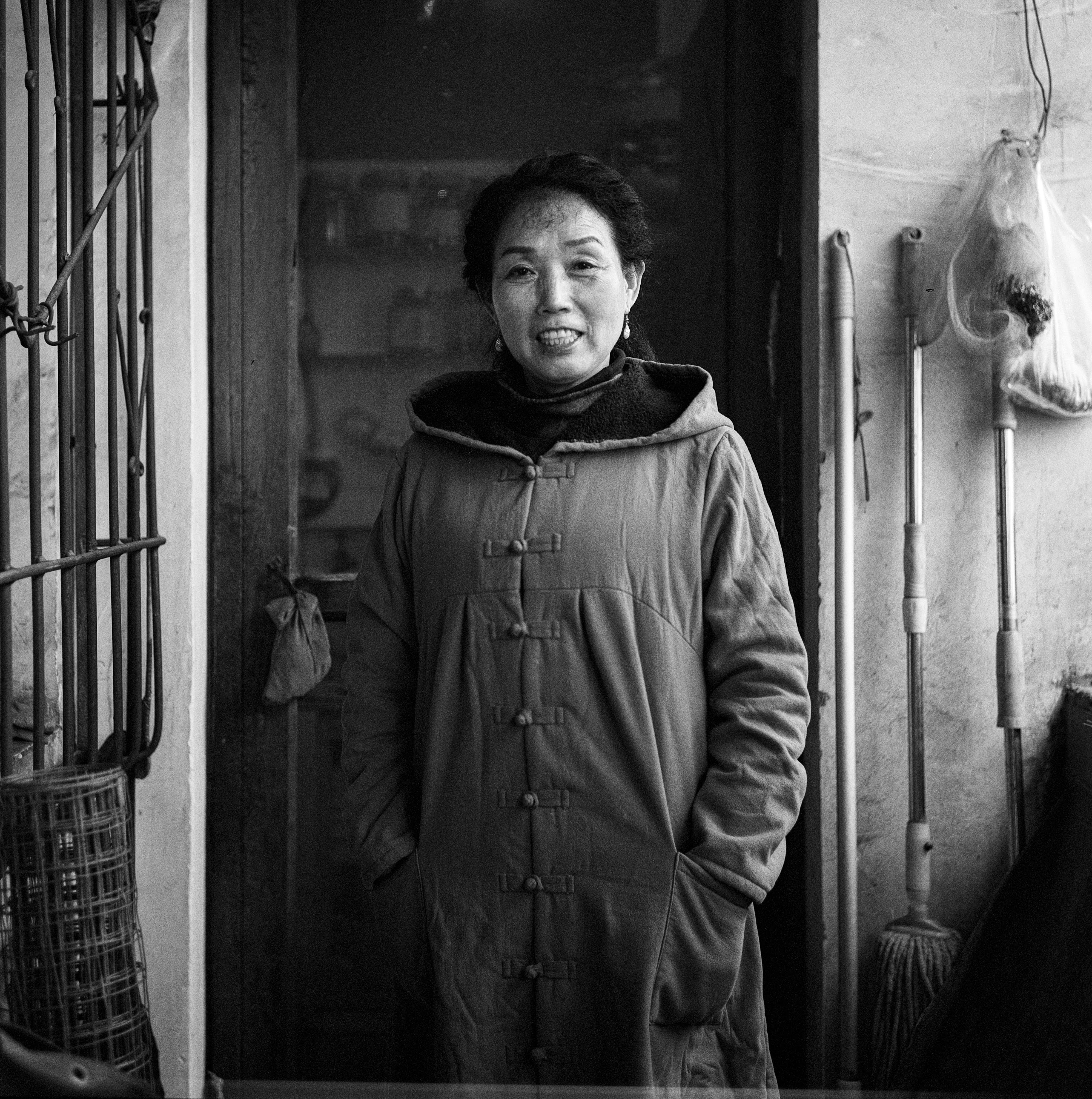
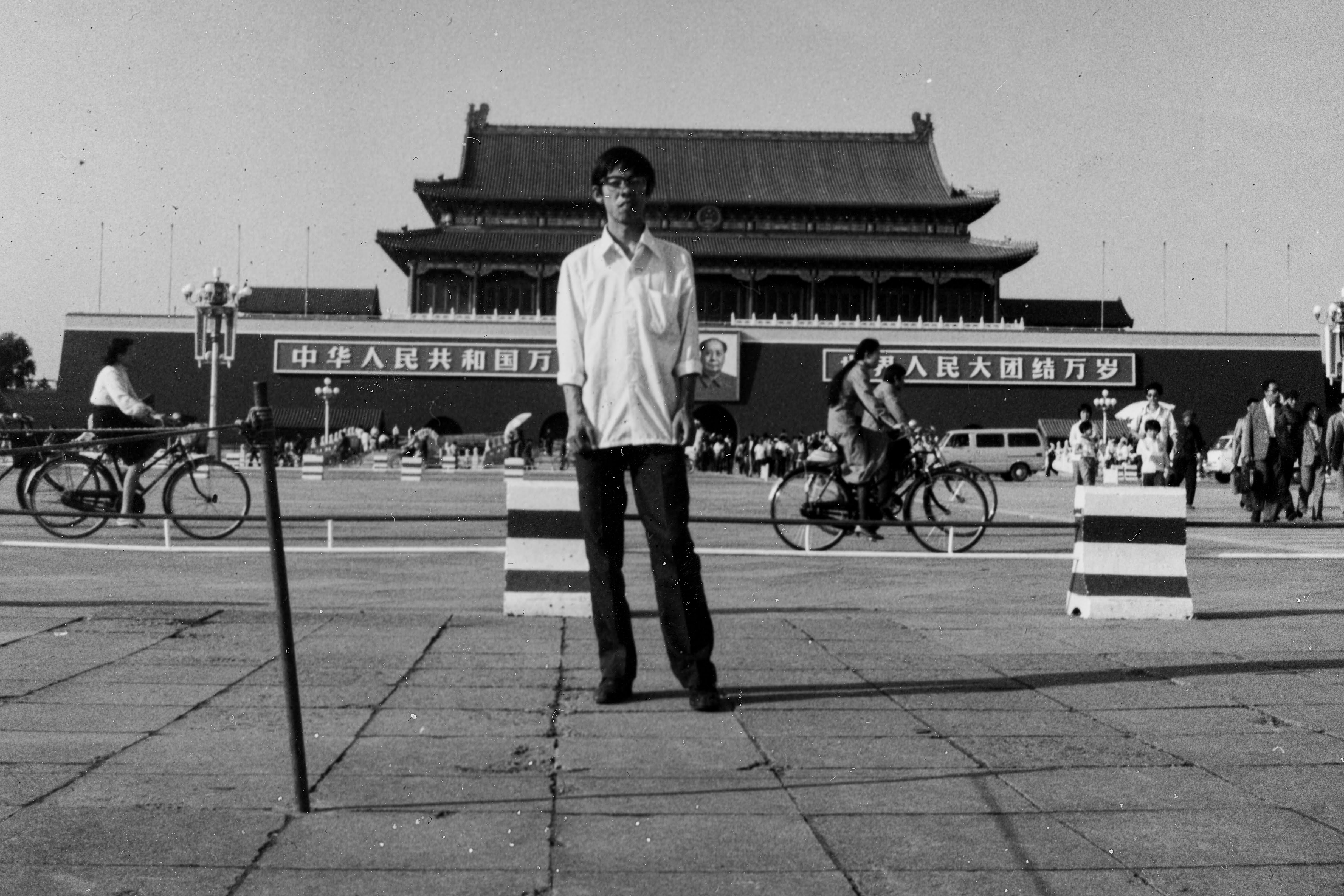
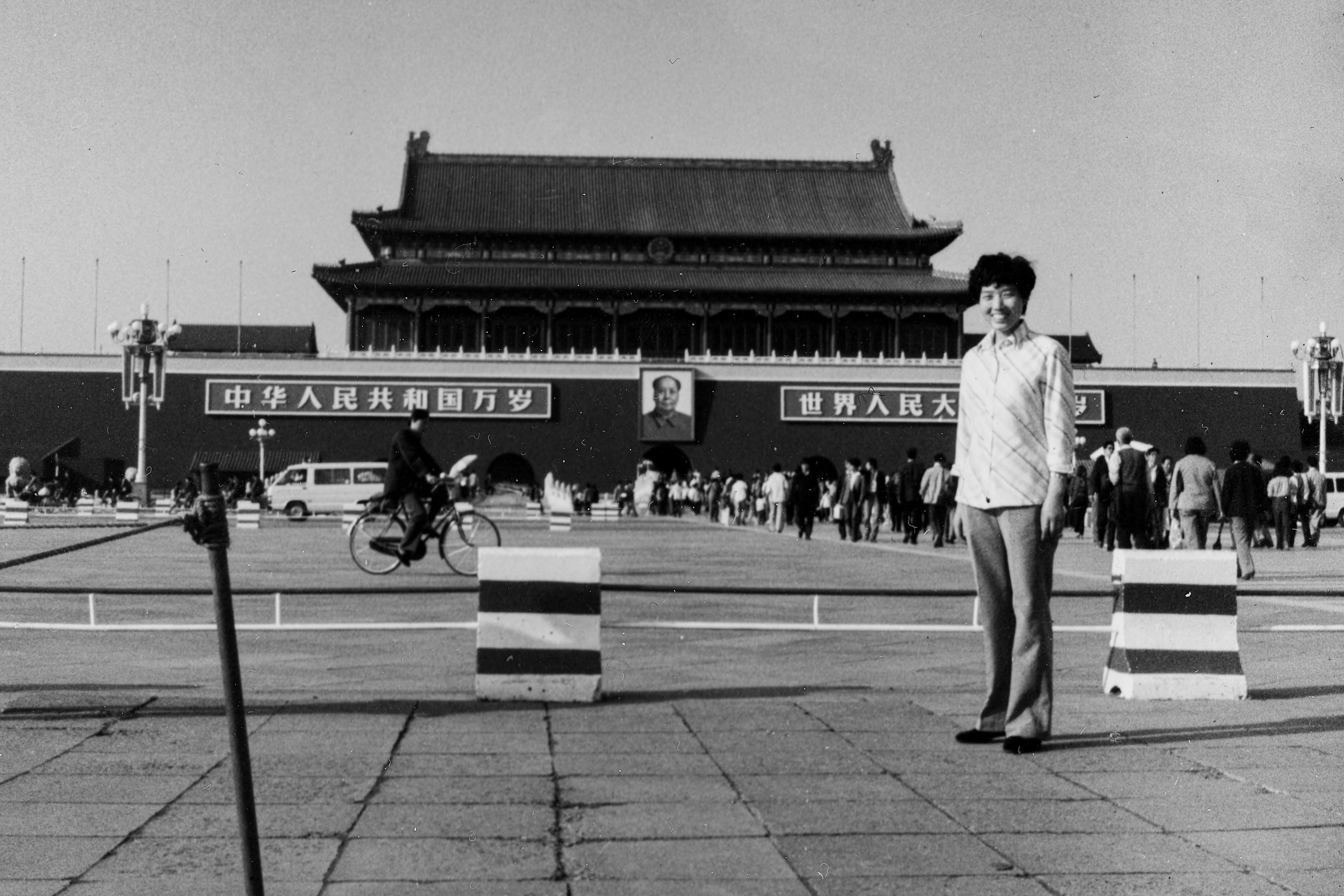
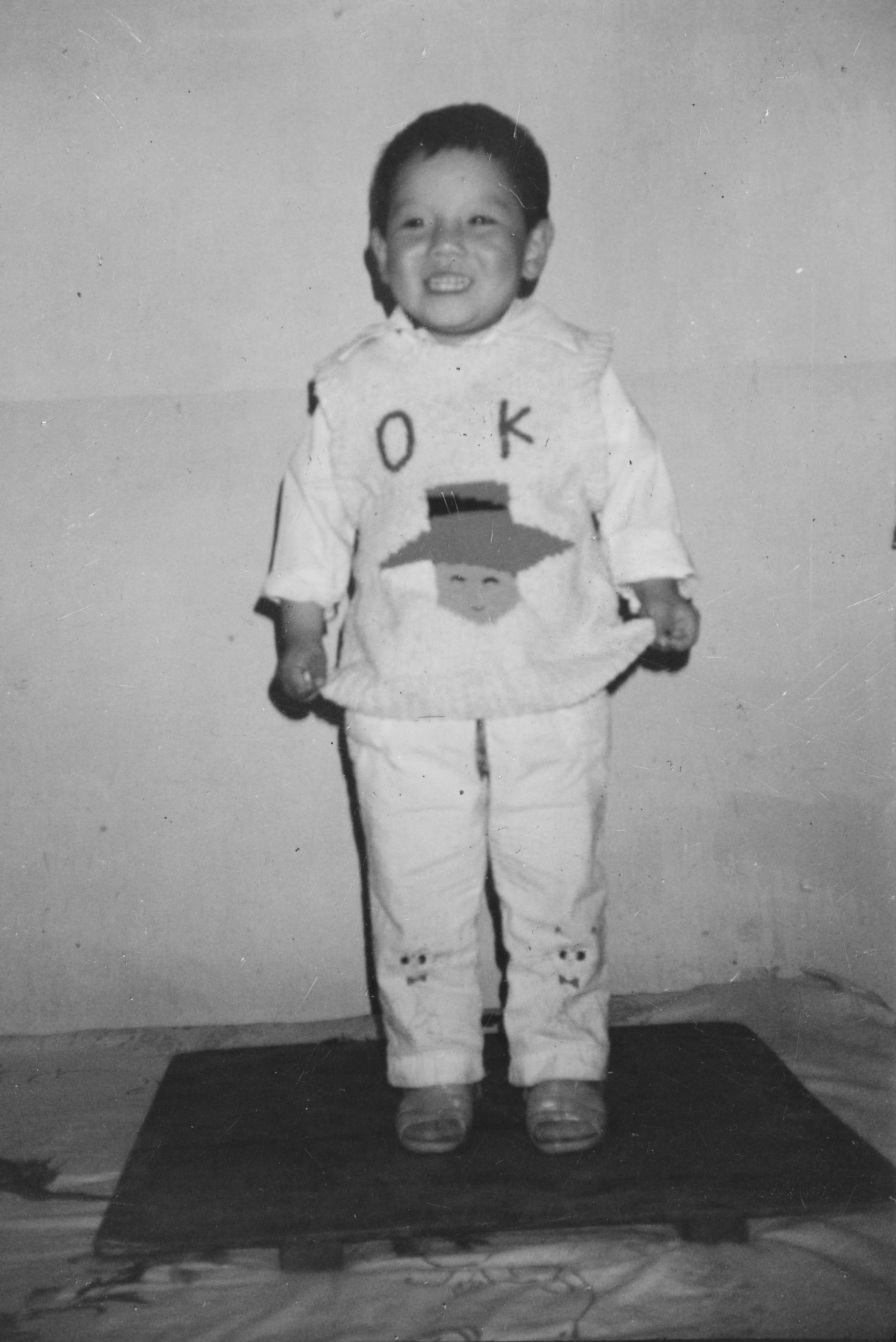
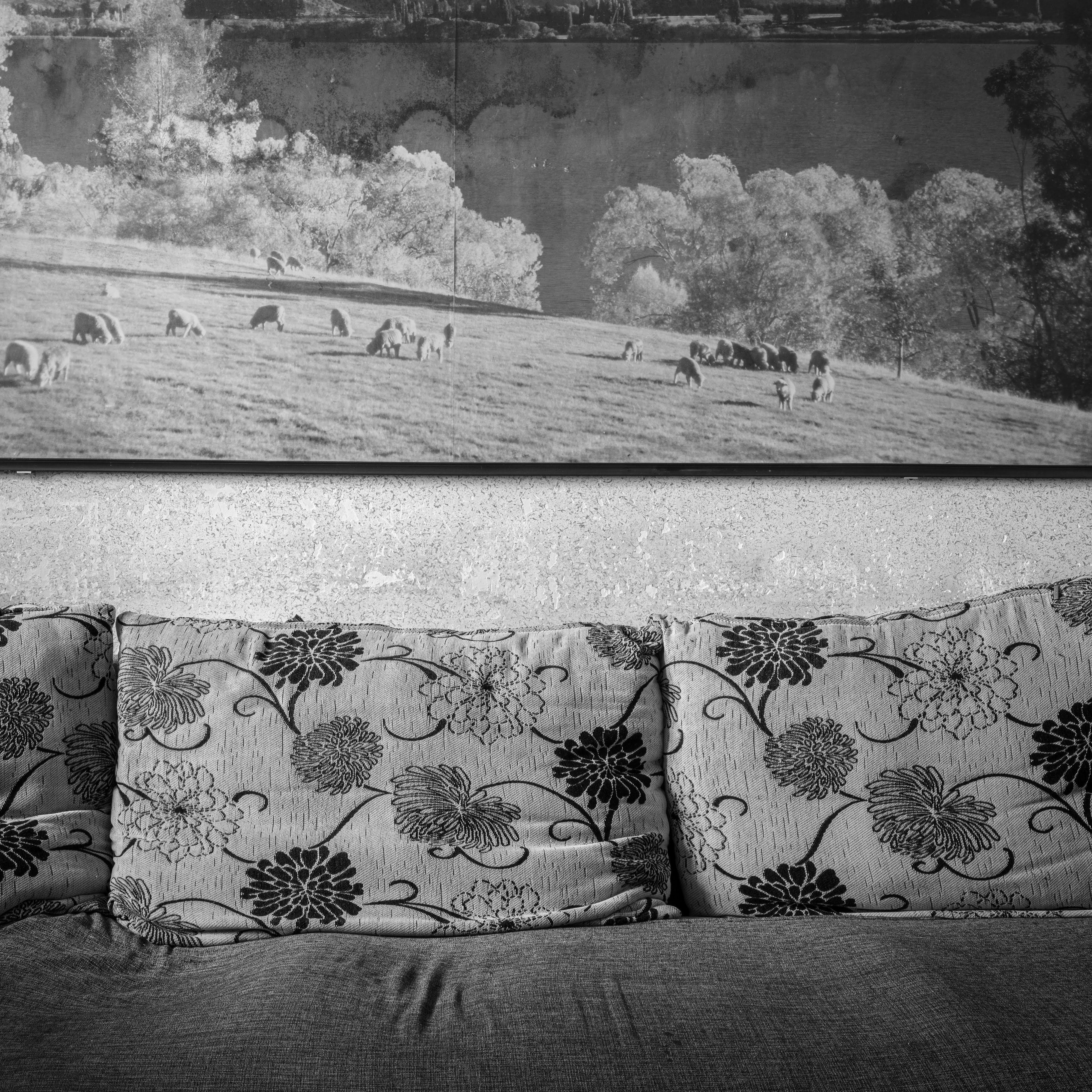
From then on, I learned the skill of hiding. Whenever I felt something, I pretended not to care. It was as if a small person inside my head could bundle my emotions up like old, untidy clothes and put them away in a corner of my memory. Then I could act as if none of it had happened, as if it had never existed. It was not that my mother had left when I was ten; it was as if I had never had a mother at all.
After living with these feelings for so many years, I finally wanted to ask my parents how they saw that period, and how they looked back on memories that seemed too painful to revisit.
In my memory, my father was stern and rarely smiled. He was extremely strict about my life and my studies. After my mother left, he lived in a constant state of tension, driven by the belief that he had to raise me properly. We argued whenever anything happened, and he was deeply pessimistic about life. My mother, free from the responsibility of raising me, seemed to have an easier life, at least when she was young. She came to see me occasionally, and a little money from her would make me happy for days. In the years after China’s reform and opening up, people’s ways of living and thinking were changing. She danced, socialised, and had a life of her own, but she always kept her distance from me.
Many years had passed. Neither of them wanted to return to that painful past, but eventually I persuaded them to let me photograph them. I moved between their different “homes,” clumsily photographing them with an old camera. Sometimes they were happy; sometimes they were sad, and at times they still could not let go. But through these photographs, all of us found some measure of relief.
After working on the project for about two years, I turned it into a book called The Lost Marriage. I self-published a small number of copies, gave some to friends, and kept one as a gift to myself.
When I open the book now, the people who existed, the things that happened, the memories, laughter and tears, the letting go and holding on, the rights and wrongs—all those truths held in memory no longer seem quite so important. I had thought I was using photography to look for an answer. Later, I realised that photography had given me no answer, but it had finally allowed me to face the question.
03 — Manufacturing Errors
After finishing The Lost Marriage, I felt wrung out. There was some relief, but mostly I was exhausted. Over the following years, I spent more time writing about photography. I put the camera down and stopped taking pictures.
During that time, I began reading about the history of contemporary art—mostly painting—and gradually felt that contemporary photography faced a similar problem: destroying what already exists and building something new, even without knowing what the new thing might be. Some photographer friends put down their cameras and began to paint, using other media to explore ways of making images. Experimental artists used circuit boards and wires to reconstruct images, or video and 3D photography to create a sense of the uncanny. Around this time, I also began using errors to reconstruct what was “correct.”
Ten years earlier, a processing lab had accidentally damaged my film. Ten years later, the CMOS sensor in one of my cameras failed. Photographs made with the damaged sensor contained irregular visual errors. The first errors had appeared without my intending them. This time, I began to make them deliberately.
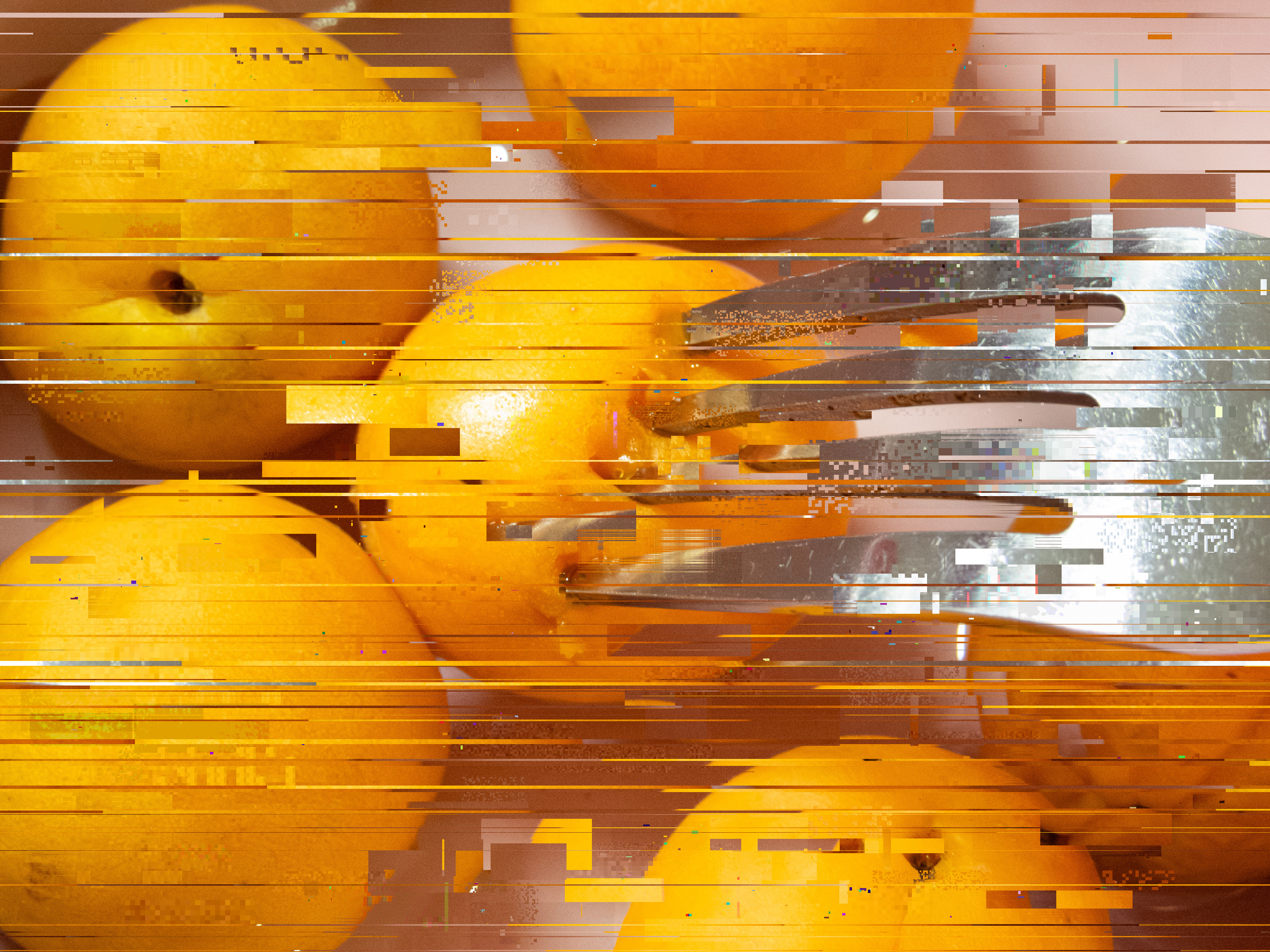
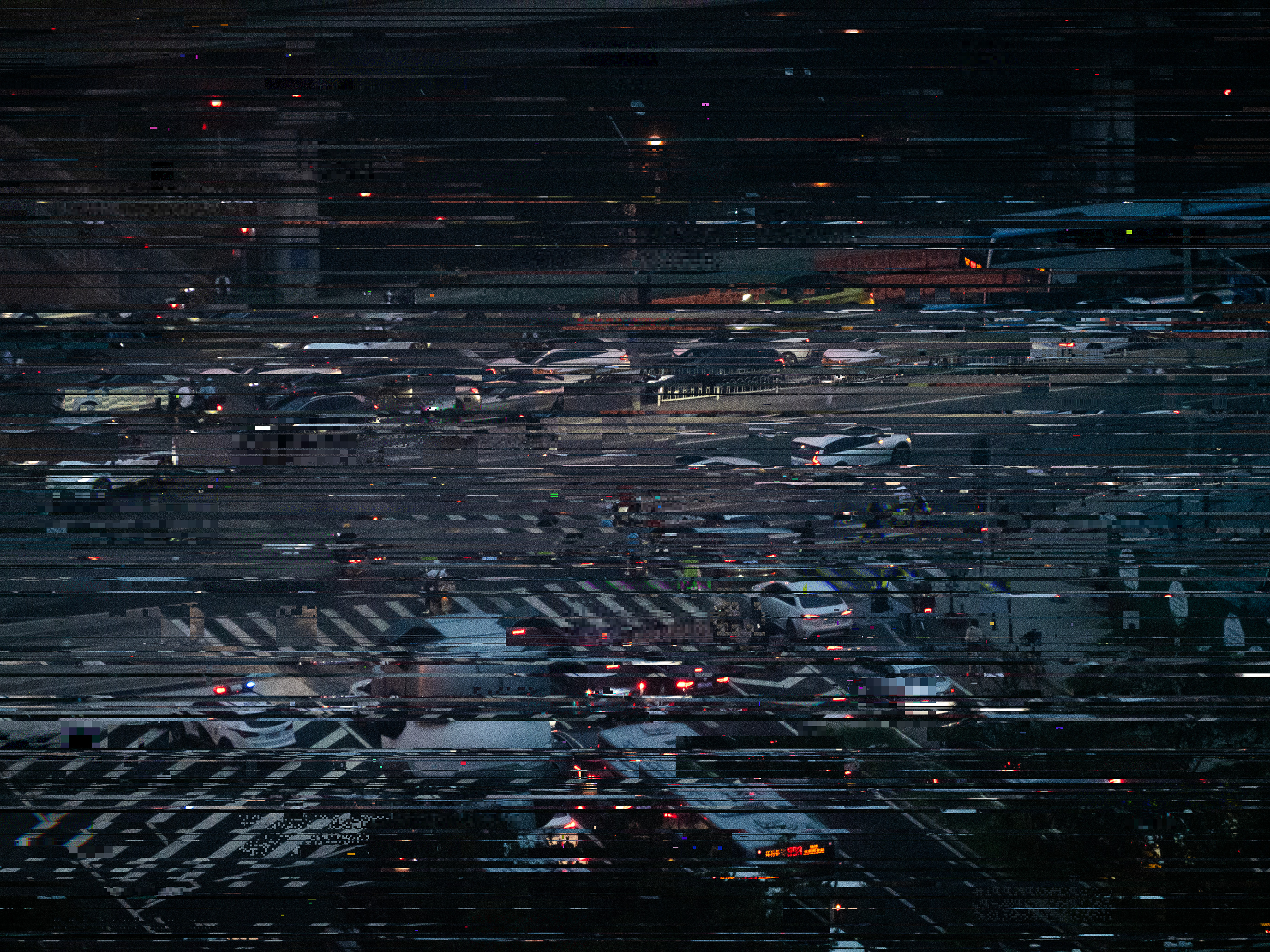
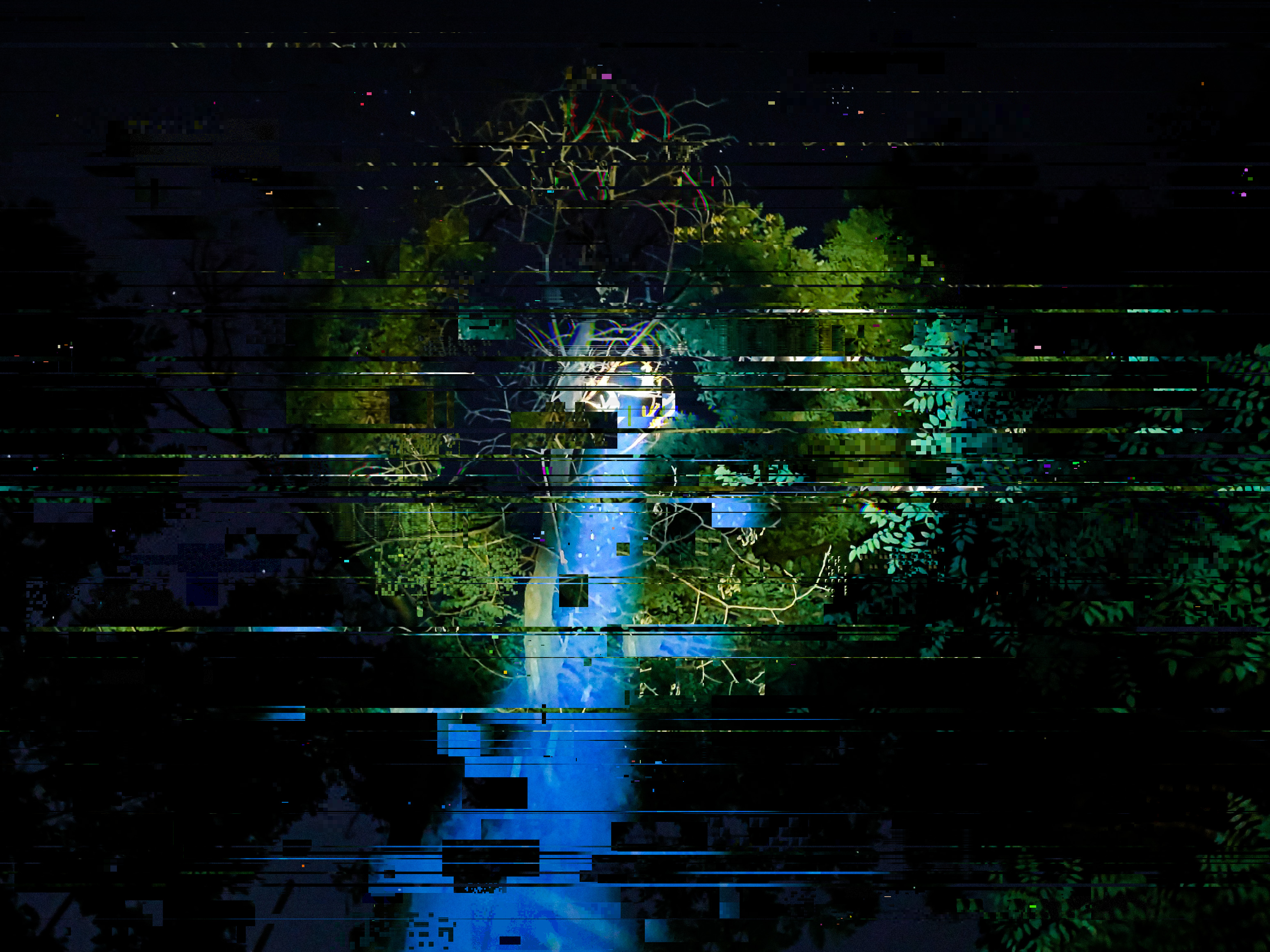
I began using code to break apart and rearrange supposedly “correct” or “good” photographs, creating strange visual effects that might make a viewer ask: What kind of image is this? Why does it look this way? What does it have to do with today’s internet and digital images?
But these photographs were also, quite honestly, rubbish. Whether they were mine or my friends’, noise only produced more noise. Work made with a half-conscious wish to attract attention might end up attracting nothing but contempt. It would always be “out of place.”
When an error first appeared on my film, it was an accident. When I began producing errors in batches with code, were they still errors? Or had they become another reproducible style?
04 — Moments That Never Happened
Two or three years ago, when generative AI was first entering public view, I began using it to make images that looked like photographs. Image generation was far less advanced than it is today, and many of its mistakes were immediately visible: the wrong number of fingers, malformed facial features, or buildings with obviously impossible perspective. Strangely, I found these images full of life.
Perhaps this had something to do with my earlier interest in flawed images. A mistake in film processing, a broken CMOS sensor, or damage produced by code could make me newly interested in a photograph that had once been “correct.” With AI, the error no longer happened accidentally to a photograph. It became part of the image itself. In contemporary art, of course, an image has long ceased to sit passively and wait for its maker to explain it. Once a work is finished, viewers bring their own experiences, memories, and judgements to it. Roland Barthes’s “The Death of the Author” reminds me, at the very least, that the meaning of a work does not remain entirely within its maker’s original intention.
Even when an image is generated by AI, and even when its errors are obvious, we still cannot help looking at it, interpreting it, and perhaps finding some meaning in it.
I once asked AI to produce a series of absurd images about people in contemporary China. It mixed tradition, antiquity, stereotypes, modern technology, and contemporary life into a visual experience that was difficult to categorise.
Many visual ideas of what “Chinese people” look like were kneaded together in these images. More interestingly, their strangeness came directly from the way AI learns from vast quantities of data, combines them, and generates results through probability. The finished images did not strike me as especially jarring. They already came from a process that was complex, random, and never fully transparent, and viewers continued that process with interpretations of their own. In a sense, the instability itself became part of the work.
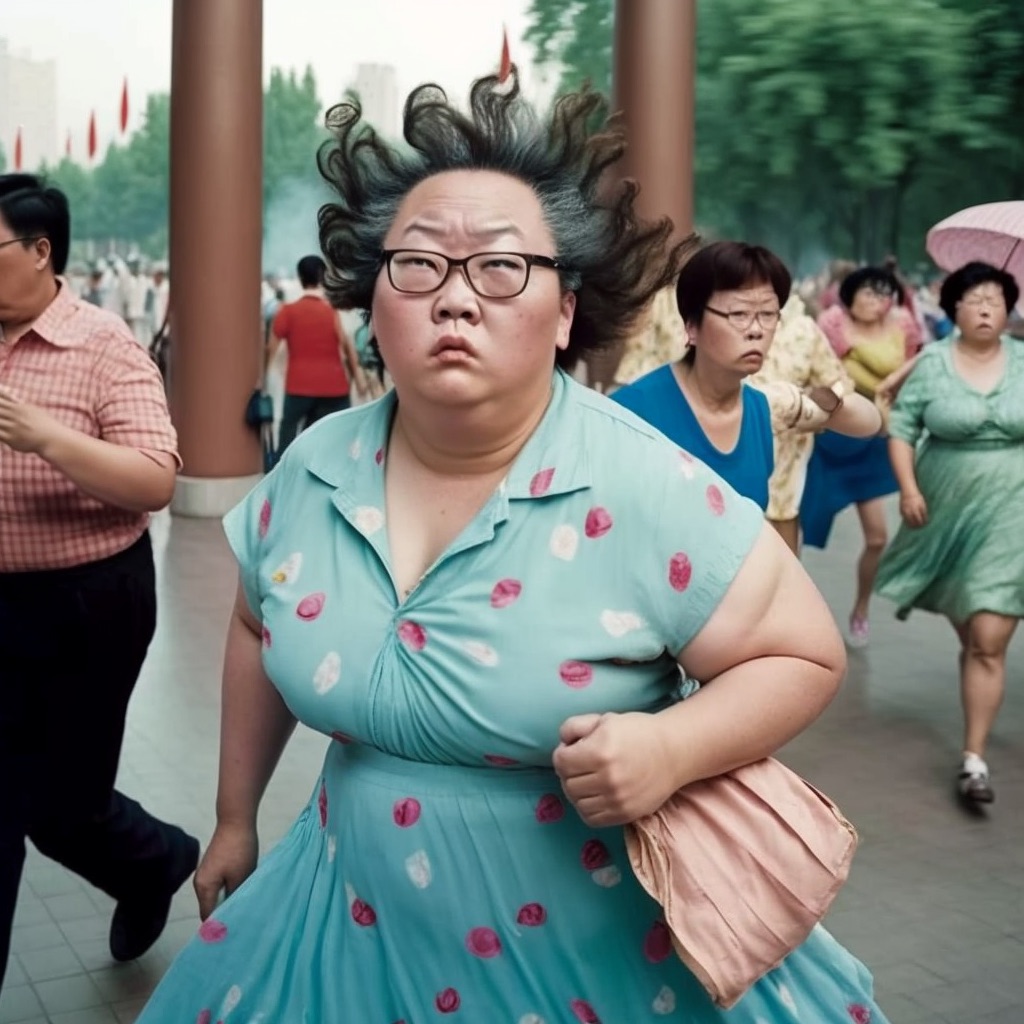
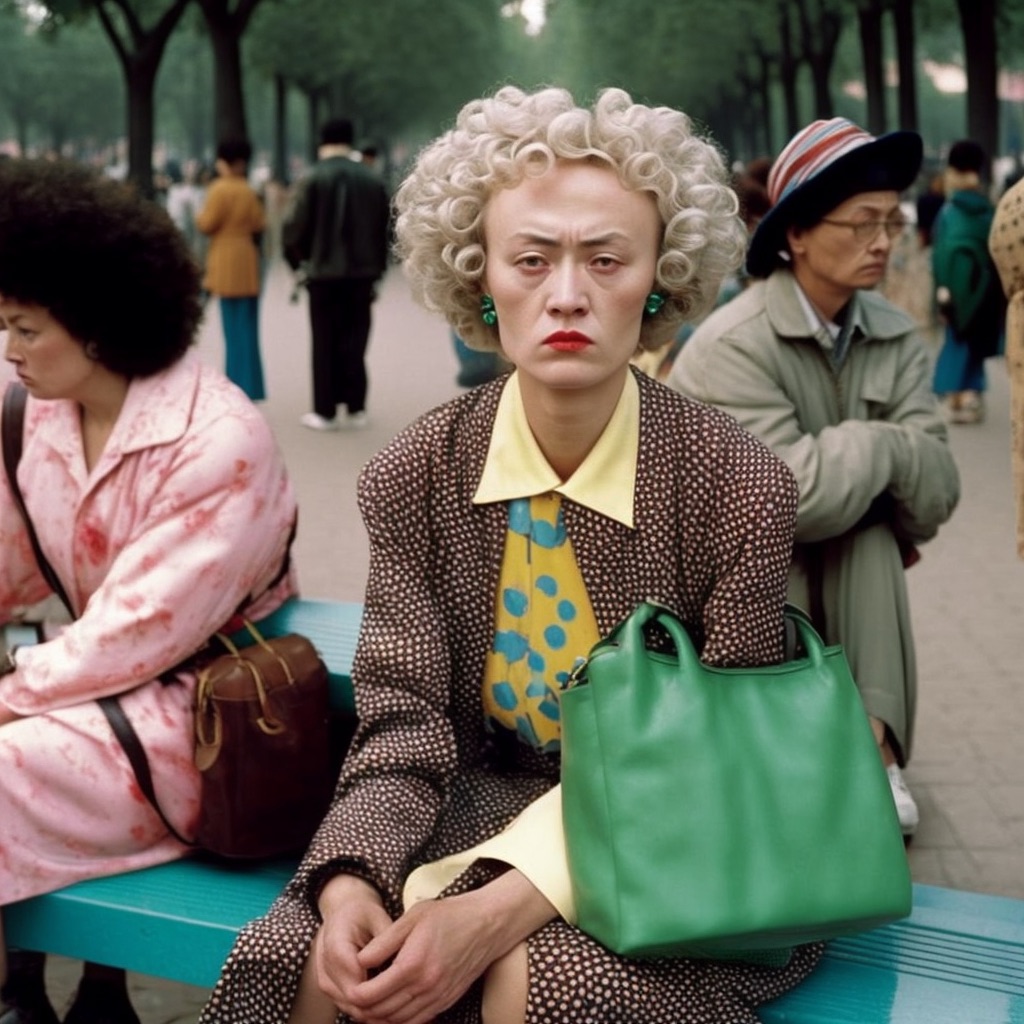
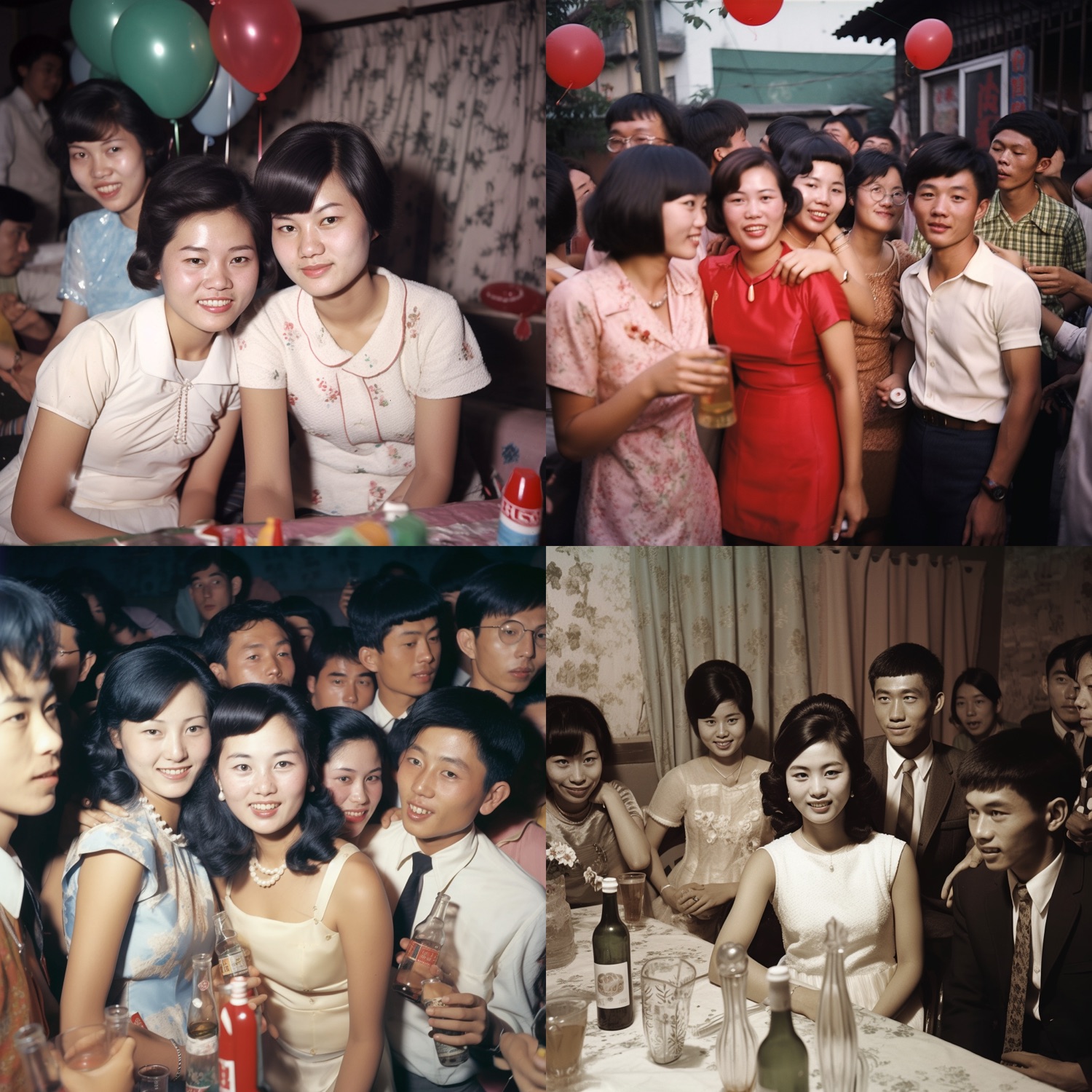
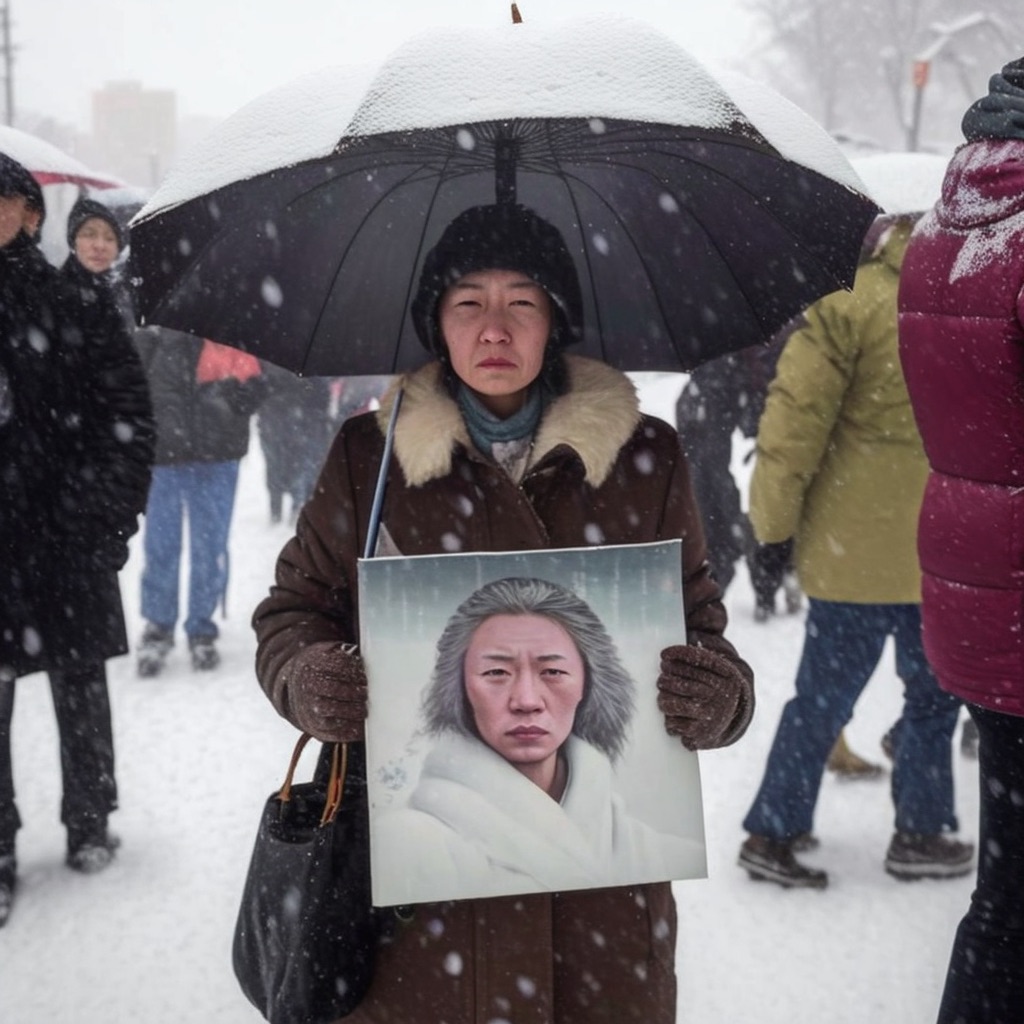
This left me with a question. When we used a camera to make a picture, we rarely doubted that the subject in front of the lens “existed.” We generally assumed that it had really been present at a particular time and place. Photography later became increasingly subjective. Photographers brought their own experience, feelings, and judgement to the act, and reworked images in the darkroom, in post-production, or by other means. Viewers arrived at very different readings according to their own experience. The idea of “existence” began to loosen.
If a camera can be understood as a technical apparatus for producing images, perhaps AI can be seen as another image-making apparatus. People make images through lenses, exposure, light-sensitive materials, and camera programs. Today they can also make them through prompts, models, and algorithms.
This has changed the way I judge images.
In the past, when I saw a photograph, my first reaction was not to wonder whether it had “existed.” Now that doubt arrives earlier. Even when an image looks completely natural, I find myself asking: was it photographed, or was it generated?
05 — Beyond the Camera
Looking back at changes in photography over the past few years, especially in competitions and in photographers’ own presentations of their work, I have noticed that more photographers now use a sequence of images to tell a story rather than simply presenting a single photograph for its technical excellence. At least in contemporary art photography, technical perfection is no longer the only goal. Photography increasingly takes the form of a series, a project, a photobook, or a combination of different media. We are no longer concerned only with whether a picture is “good.” We also ask why the photographer made it, how the images have been organised, and what they ultimately point towards.
This is also why I remain fairly optimistic about AI and generative images.
In Towards a Philosophy of Photography, Vilém Flusser describes the camera as an apparatus, a technical device with its own program and rules. Photographers appear to control the camera, but at the same time they are always choosing among the possibilities it makes available.
The camera is programmed to produce photographs, and every photograph is a realization of one of the possibilities contained within the program of the camera.
The shutter, aperture, lens, film or sensor, and the increasingly complex computation inside today’s cameras all participate in the making of the final image. Following this line of thought, AI and the camera may not be complete opposites.
When we use a digital camera today, we do not fully understand everything that happens inside this “black box.” We choose settings, press the shutter, and wait for the apparatus to produce an image. With generative AI, we face another complex and partly opaque system, arriving at a final image through prompting, selecting, adjusting, and judging.
Of course, this does not mean that cameras and AI are the same. No matter how much HDR, multi-frame compositing, noise reduction, or computational processing takes place inside a modern camera, in most cases it must still face something in the world. Light enters the lens and forms a record on the sensor. Generative AI can bypass this process and produce a scene that never existed. There remains a fundamental difference in the way the two kinds of image are made.
But Flusser’s ideas of the apparatus and the program have also helped me understand AI differently. It may not have to be photography’s opposite. It could be another apparatus available to an artist. Perhaps the real question is no longer simply, “Is this photography?” but: as we gain more and more kinds of apparatus, what can we do with them? And where else might photography go?
Yet photographers do not play with their plaything but against it.
In other words, photographers do not simply “play” with the camera. They play against it.
When I look back at my damaged photographs, this sentence suddenly becomes concrete. By using code to manufacture errors, I was no longer content to let the apparatus produce a “correct” photograph in the way it had been designed to. I was trying to force it to produce something else. Seen this way, could AI become another apparatus to explore, or even to play against? Perhaps photography as an artistic practice was never meant to be limited forever to the single act of pressing a shutter.
06 — I Was There Too
We recently had a baby. When I picked up the camera again to photograph my child, I found myself rediscovering something I had once taken for granted.
I was there.
My child was there too.
That moment really happened.
This simple quality of traditional photography is also the part that AI finds hardest to replace. A photograph cannot necessarily tell me the truth about the world, or explain exactly what that moment meant. Many years from now, when I return to these photographs, my memories, feelings, and understanding may all have changed. But at least one thing will remain the same: that moment once existed.
Today, what we call “traditional” photography feels more precious to me. It is not an old-fashioned or obsolete art form that should be abandoned. AI can give me a picture of something that never happened. What the camera leaves me is a trace of the relationship I once had with the world. The encounters that took place at the moment of exposure, the people and things that really existed, and the emotional connection formed when we touch these photographs again many years later—these have become, for me, the most valuable parts of photography.
So now I am more willing to pick up the camera, think less, and make pictures more casually. When I print them and hold them again, each touch reminds me that the moment in the photograph really did exist. My anger, pain, frustration, and sense of emptiness existed. So did my confusion about my own life, my thoughts about my parents’ marriage, and my search for the direction my life might take.
AI may help me extend the visual possibilities of images and make me reconsider what photography can be. But as a person, the whole process—photographing, thinking, looking again, editing, and making—also records the relationship I once had with the world. AI made me seriously confront, for the first time, a picture of something that never happened. In doing so, it also helped me understand again the photographs of things that did.
When I pick up the camera now, it is no longer just to make an image.
It was there, and so was I.