
What Are We Photographing When We Photograph Wastelands? — New Topographics
Recently, some friends have asked what photographs of this kind are trying to express. Why can a wasteland or an ordinary urban building become a “good photograph”? Why do they themselves become interested in certain city scenes while photographing? Here, I would like to discuss my understanding of New Topographics.
As photographic technology developed, people began to reconsider photography’s inadequate imitation of painting, along with its expressionist and romantic tendencies. They proposed instead an objective and restrained form of visual documentation. New Topographics was one such attempt.
Several objective conditions contributed to its emergence:
- German New Objectivity
- New terrain shaped by industrialization and capital
- The transformation of the idea of landscape
To understand New Topographics, we must first consider several historical ideas.
01 — German New Objectivity
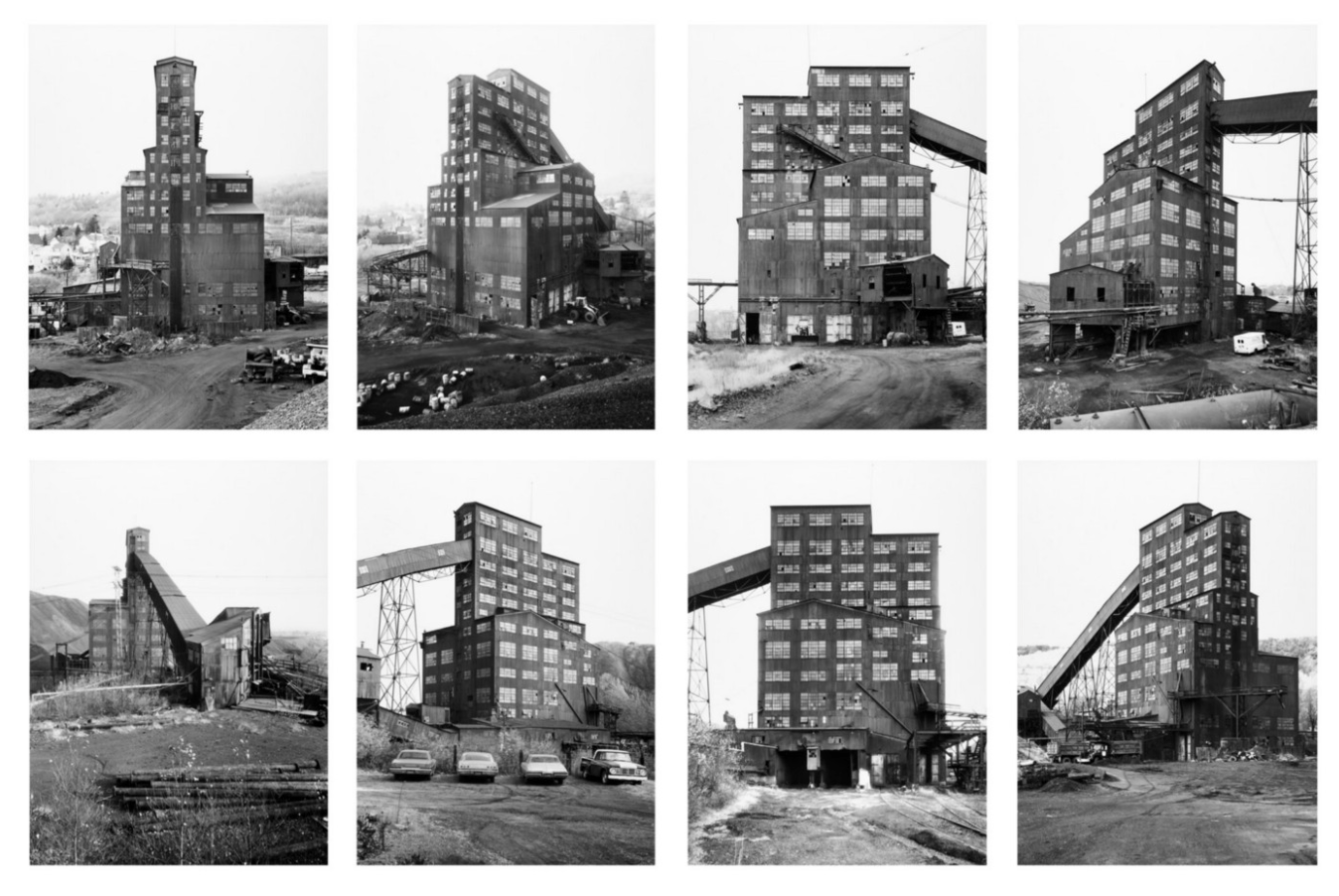
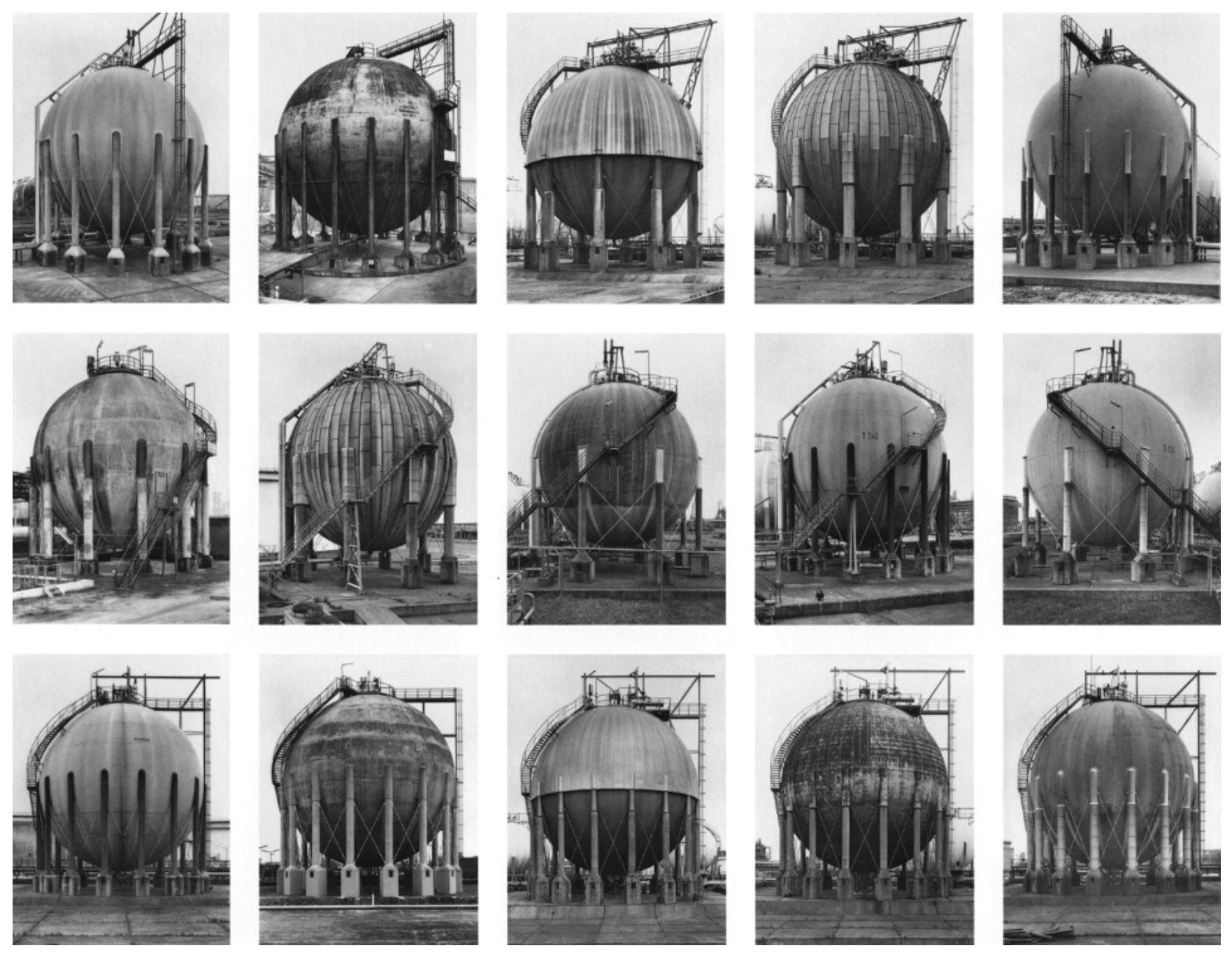
New Objectivity was a German art movement that emerged in the 1920s as a response to Expressionism. The term was introduced by Gustav Friedrich Hartlaub, director of the Kunsthalle Mannheim, and used as the title of an exhibition he organized in 1925. The exhibition presented artists working in a post-Expressionist spirit. Artists including Max Beckmann, Otto Dix, and George Grosz rejected the Expressionists’ personal intervention and romantic longing. Intellectuals in Weimar Germany likewise called more broadly for public cooperation and participation, while rejecting romantic idealism.
Although the German term “Neue Sachlichkeit” is generally translated as “New Objectivity,” it also suggests a “new sobriety” or “new clarity.” Photographers at the time were dissatisfied with photography’s imitation of painting. They attempted to return the medium to realism through a more objective gaze and method, placing greater emphasis on sharpness and clarity.
Before photographic technology appeared, discussions of painting moved from the divine toward the human, and later toward Impressionist landscape painting. Although these works redrew and retold reality, they were also usually accompanied by romantic expression. Human beings have always wanted to wrap life in “beauty,” whether through moving portraits or pastoral scenery. Objectivity, by contrast, rejected personal intervention and romantic longing, emphasizing distance, objectivity, and restraint.
02 — Paul Strand
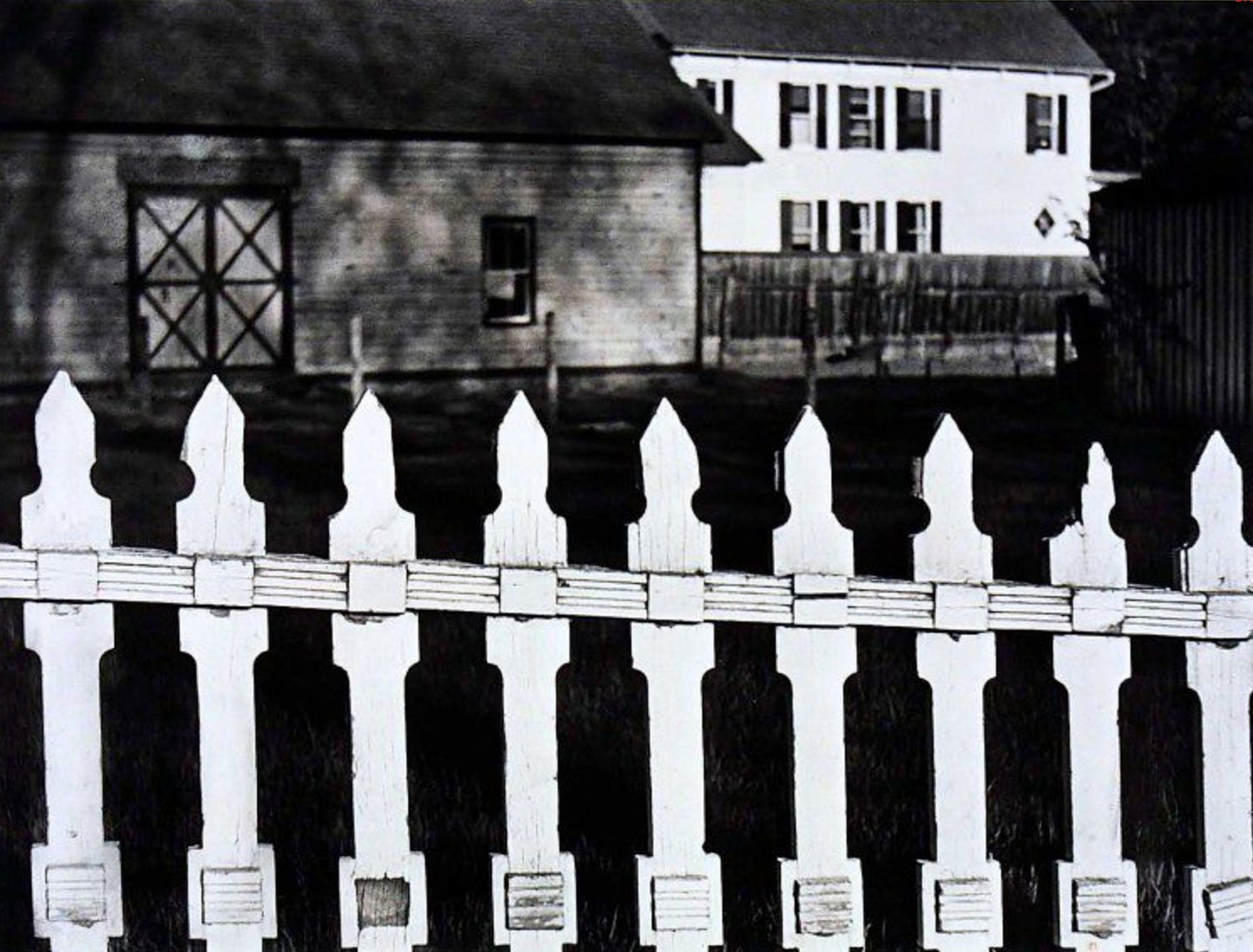
Paul Strand was an important transitional figure in twentieth-century American photography. His photograph White Fence, Port Kent, New York (1916) introduced new questions to the medium. In the image, areas of differing light and shade, together with the rational lines of the white fence, create an unreal quality resembling a print. Even if this unreality partly resulted from photographic materials of the period, we can still feel the presence of objectivity and reality. The work offers an objective and direct expression of the world, returning photography to the essence of documentation and dissolving the ambiguous meaning produced by its inadequate imitation of painting.
Strand also paid attention to the geometric and abstract beauty created by machinery. In his work, the geometry, space, and sequence formed by objective things possess a distinctive formal quality. Before this, photography had remained under the shadow of painting, attempting to surpass painting by imitating its forms, but repeatedly ending in emptiness.
03 — New Terrain Shaped by Industrialization and Capital
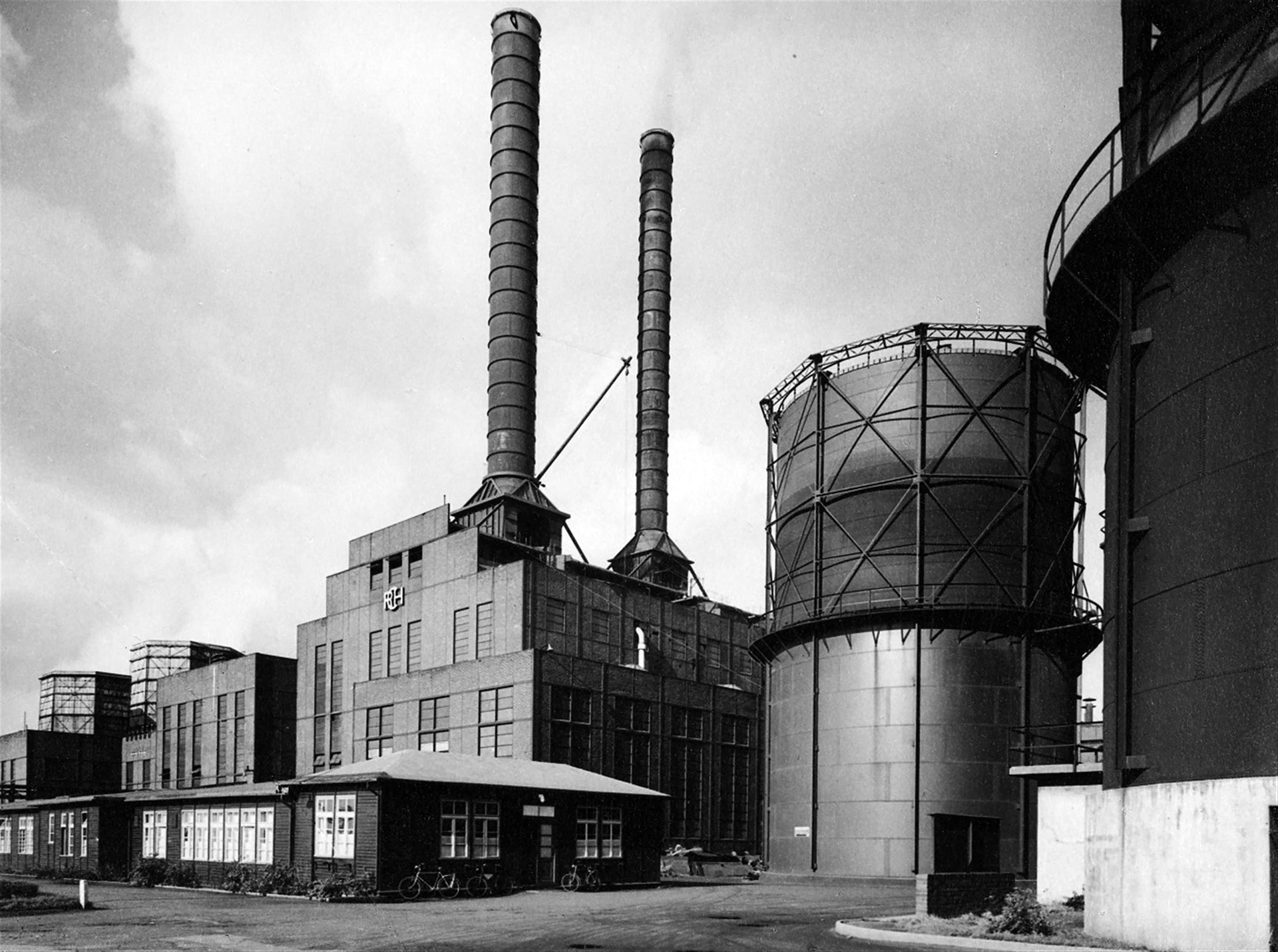
As industrialization deepened and science developed, human beings acquired a new understanding of terrain. Beyond its physical features, material composition, and internal structure, the study of landforms increasingly came to involve human activity.
Once human activity began to affect nature, different features of the land also began to affect agricultural and industrial production. This was often reflected in regional planning. Fertile land might gradually be planned as new rural settlements, while reinforced concrete, industrialization, and capital produced cities. At the same time, human activity caused terrain to disappear and be rebuilt. This involved not only changes to natural landforms, such as subsidence and the loss of rainforests, but also changes in the class structure of human society.
In reality, literature, and art alike, the view or foreground of a country house could be maintained only by continuing to suppress or conceal human labor on agricultural land. The landowning elite extracted considerable wealth from those laborers. The people artistically removed from early aerial views thus became people removed in reality. Aesthetically pleasing pastoral scenery was created by removing agricultural processes, agricultural workers, and even entire villages from view. What remained was an uninhabited, picturesque landscape that allowed privileged viewers to contemplate a pure image.
The acceleration of parliamentary enclosure, driven by economic interests, was closely connected with this aesthetic clearing. Its effects were deep and extensive, reshaping both ethical order and the visual world. Aesthetic clearing became possible because agriculture was no longer the only source of wealth. The collapse of an earlier moral world filled the poetry of writers from Goldsmith to John Clare with protest. Their poems expressed “the sorrow and anger of a group of people for whom the leaden present and the golden past were not only historical or mythical experiences, but personal ones.”
— Landscape and Identity
With the rise of industrialization, capitalism, and consumerism, people’s understanding of landscape and terrain gradually changed. Changes in the land also affected people, forming new ideas of landscape.
04 — The Transformation of the Landscape Concept
Human beings and nature are inseparably connected. Our appreciation of Ansel Adams is also an appreciation of nature. This helps explain why natural scenery remains so popular today.
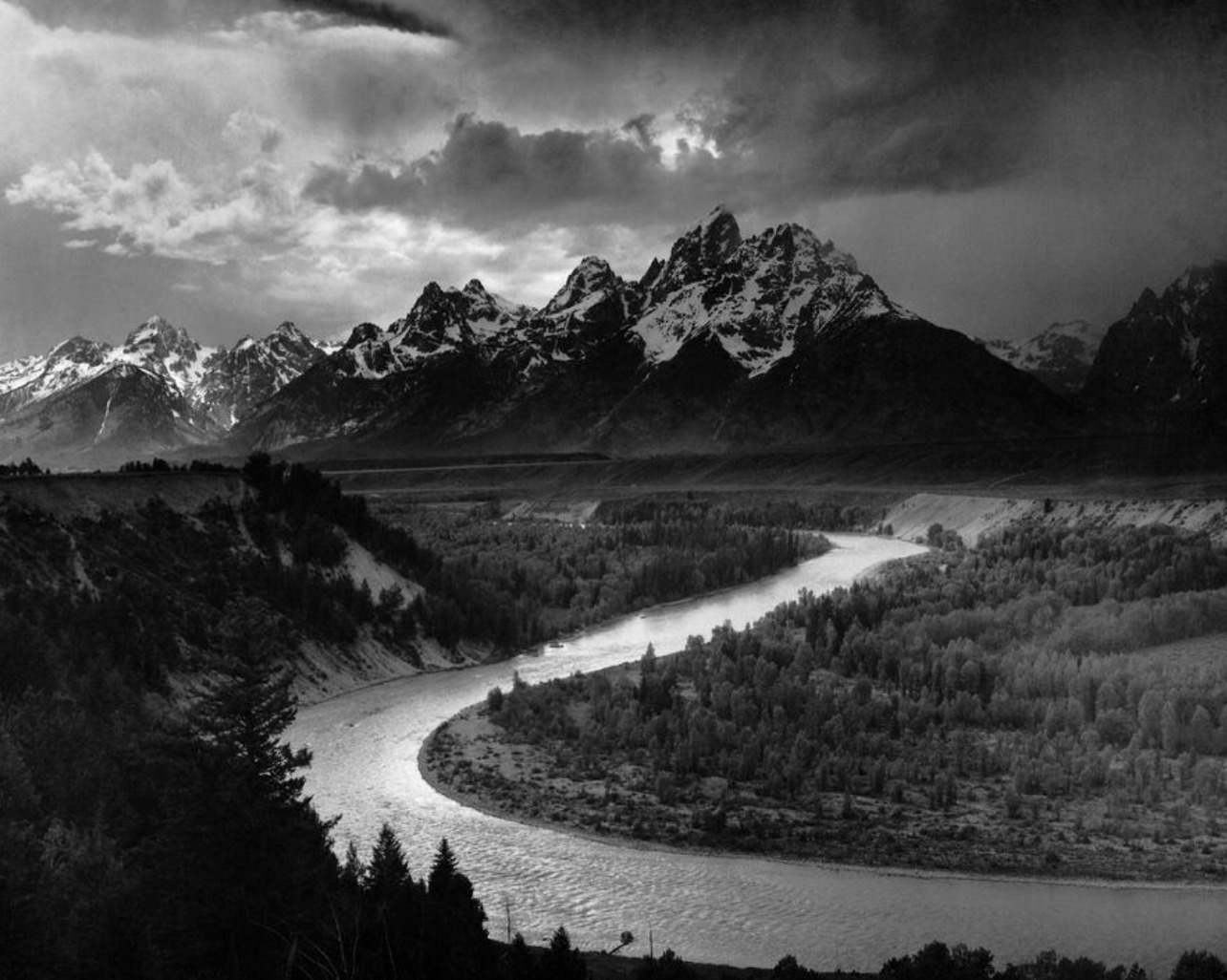
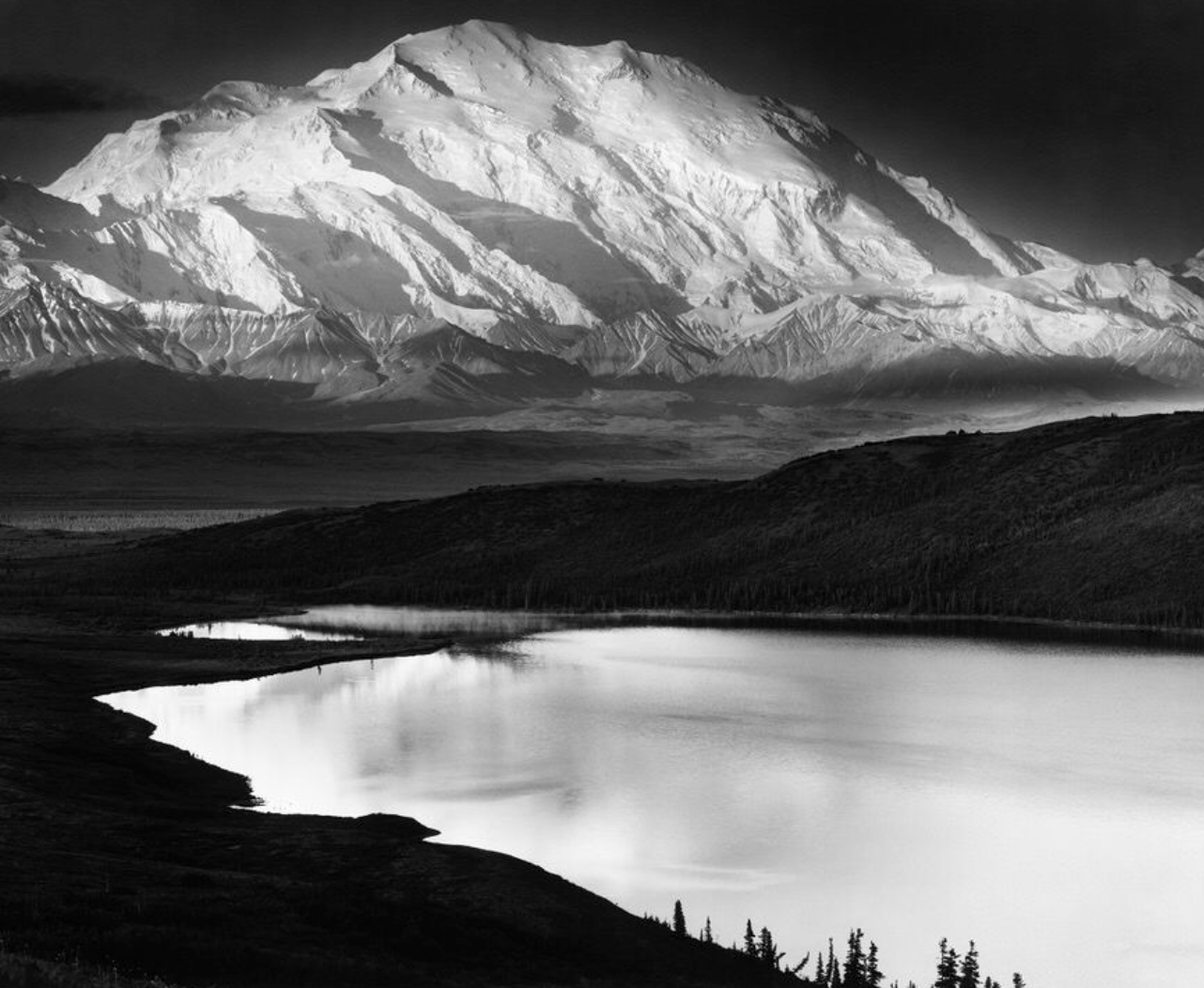
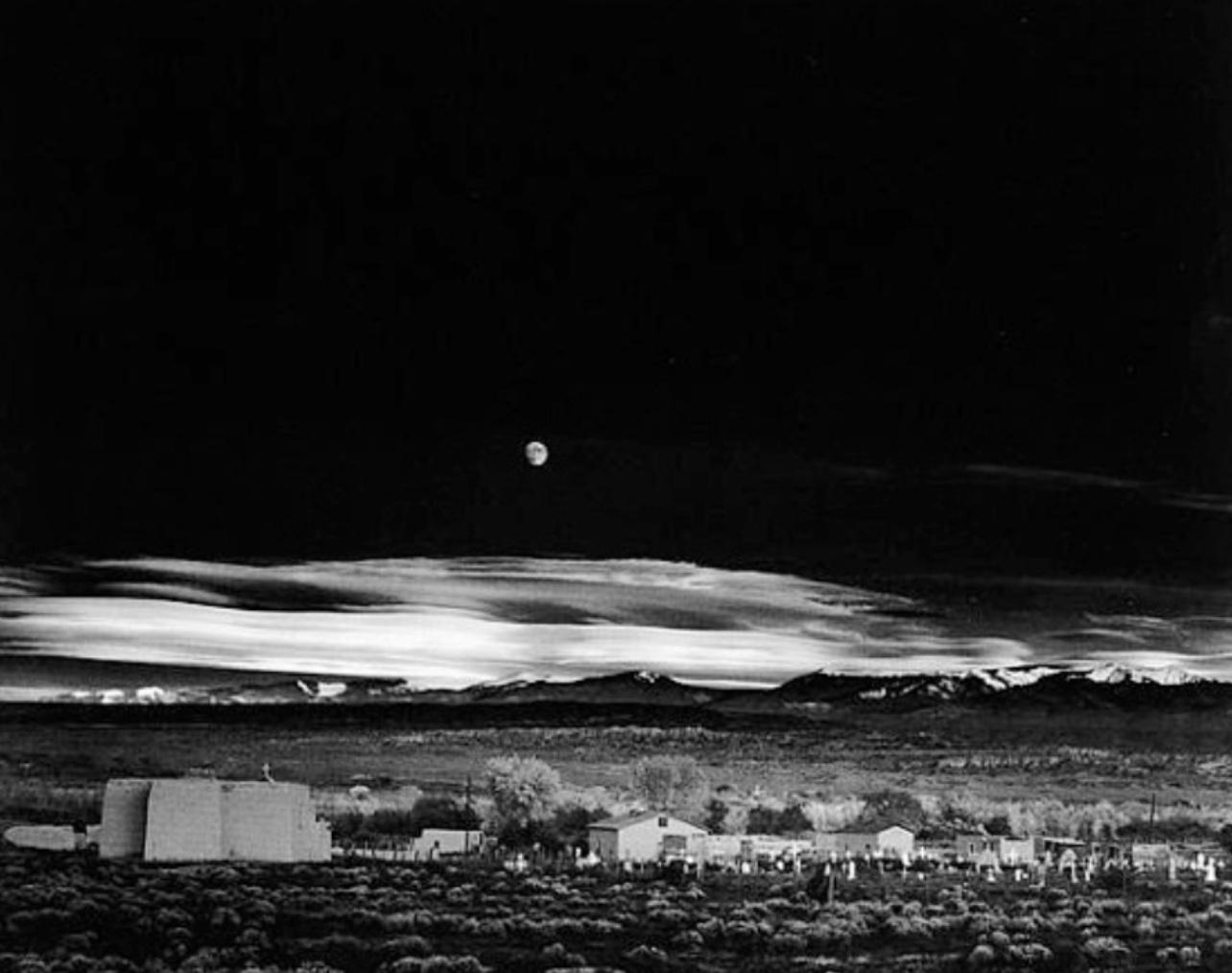
As industrialization and modern art developed, the concept of “landscape” also changed. People no longer insisted that natural scenery was the only kind of landscape. They began placing things related to their own lives within the landscape, creating new forms of scenery. These new landscapes generally possess a contemporary quality: they describe and deconstruct present-day life objectively, without emphasizing emotion. Small industrial products, remains left after human transformations of nature, and scenes formed by old buildings alongside the rational, scientific architecture of the present all became new landscapes.
The increased freedom to migrate and the emergence of tourist destinations also encouraged new concepts of landscape and terrain. We might ask whether today’s social-media landmarks and photo spots have formed another new idea of terrain.
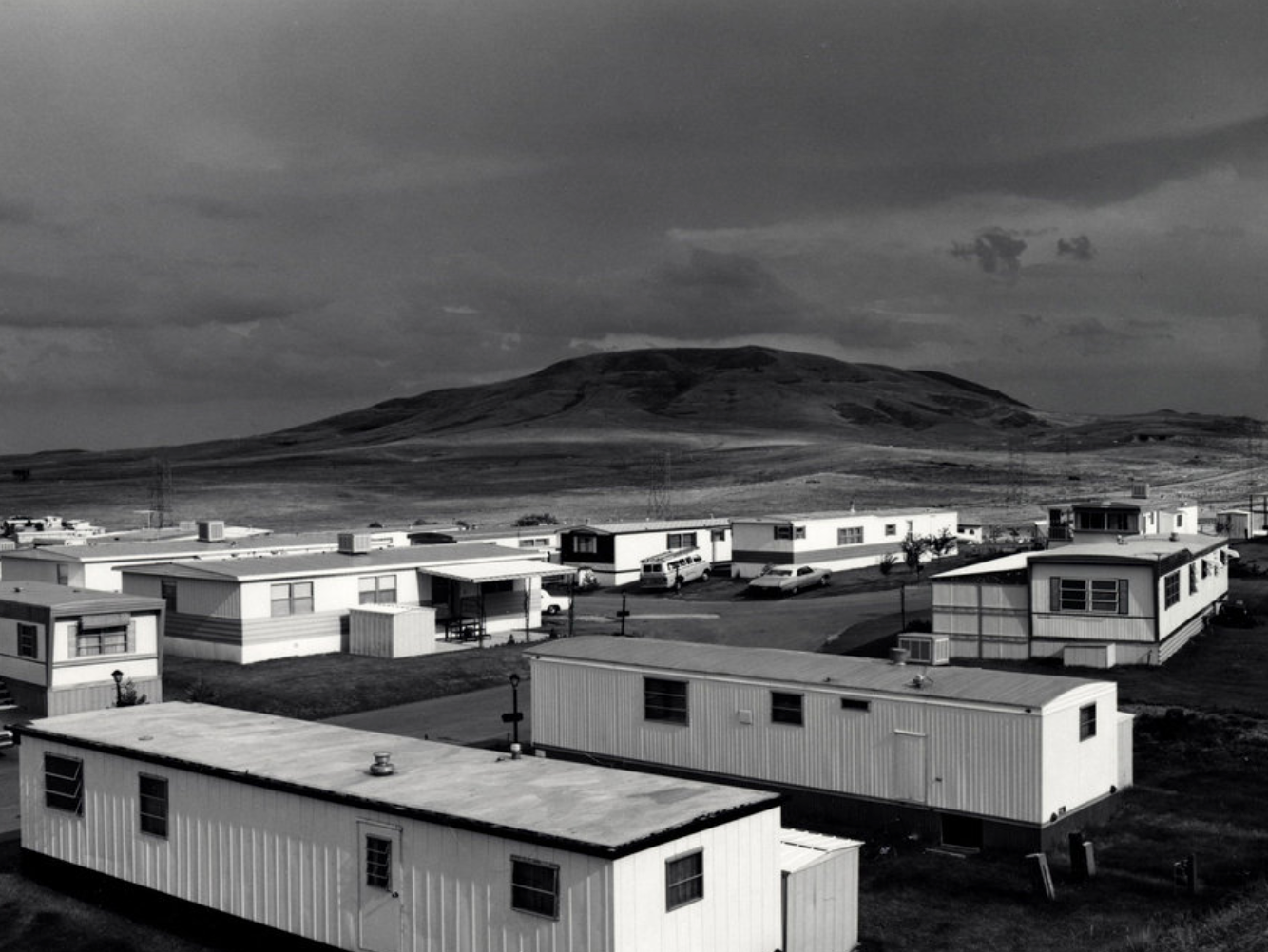
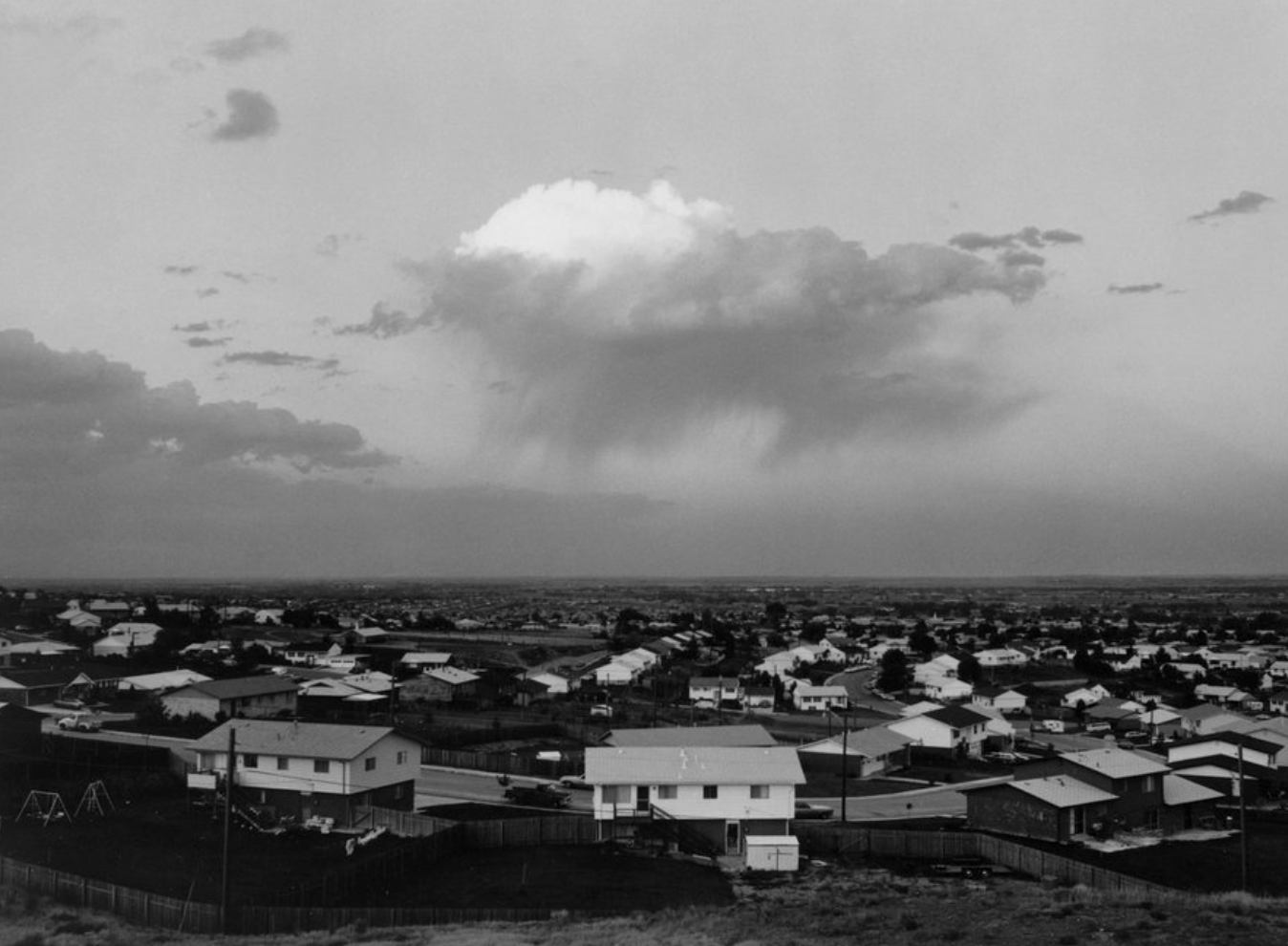
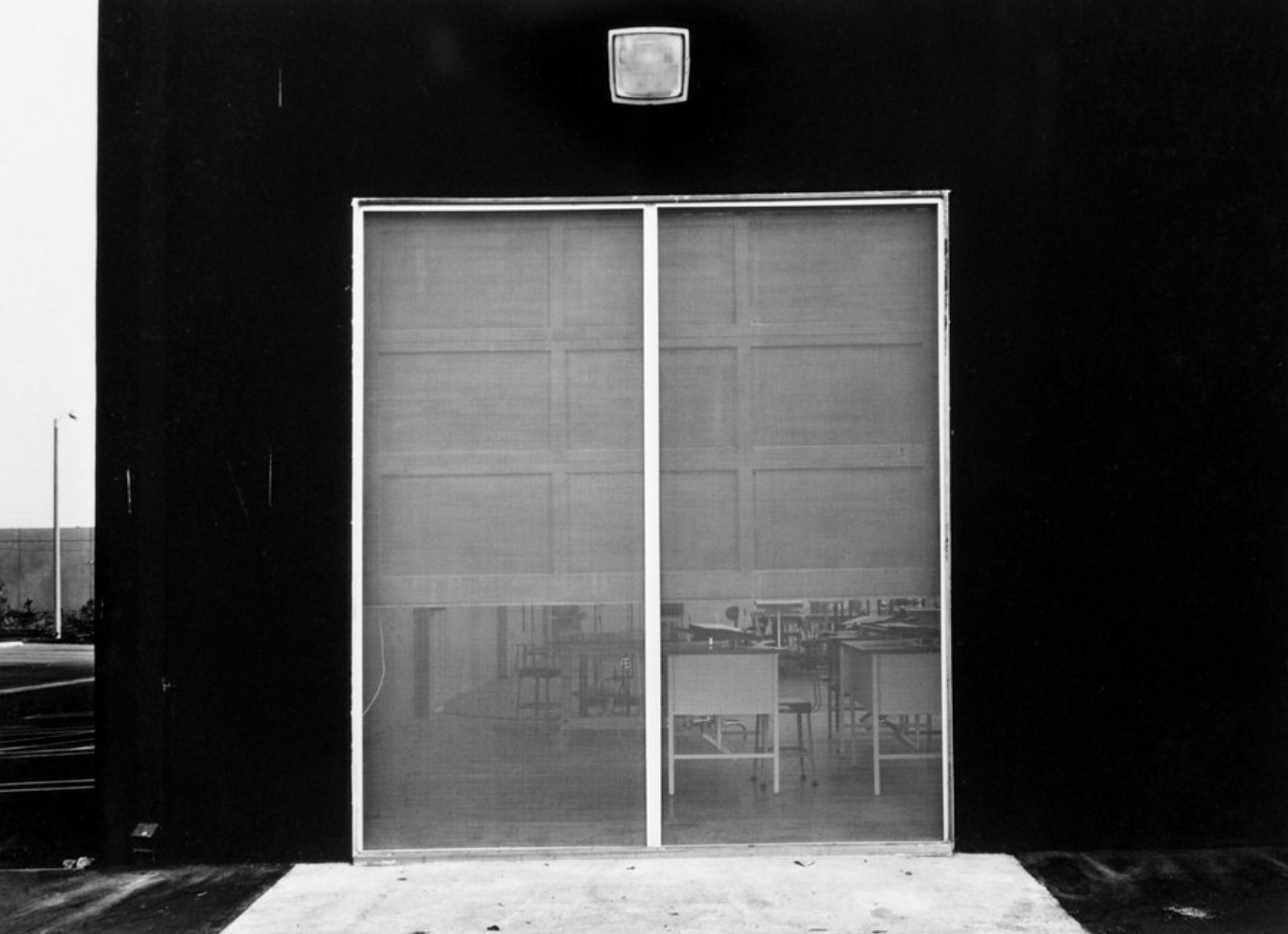
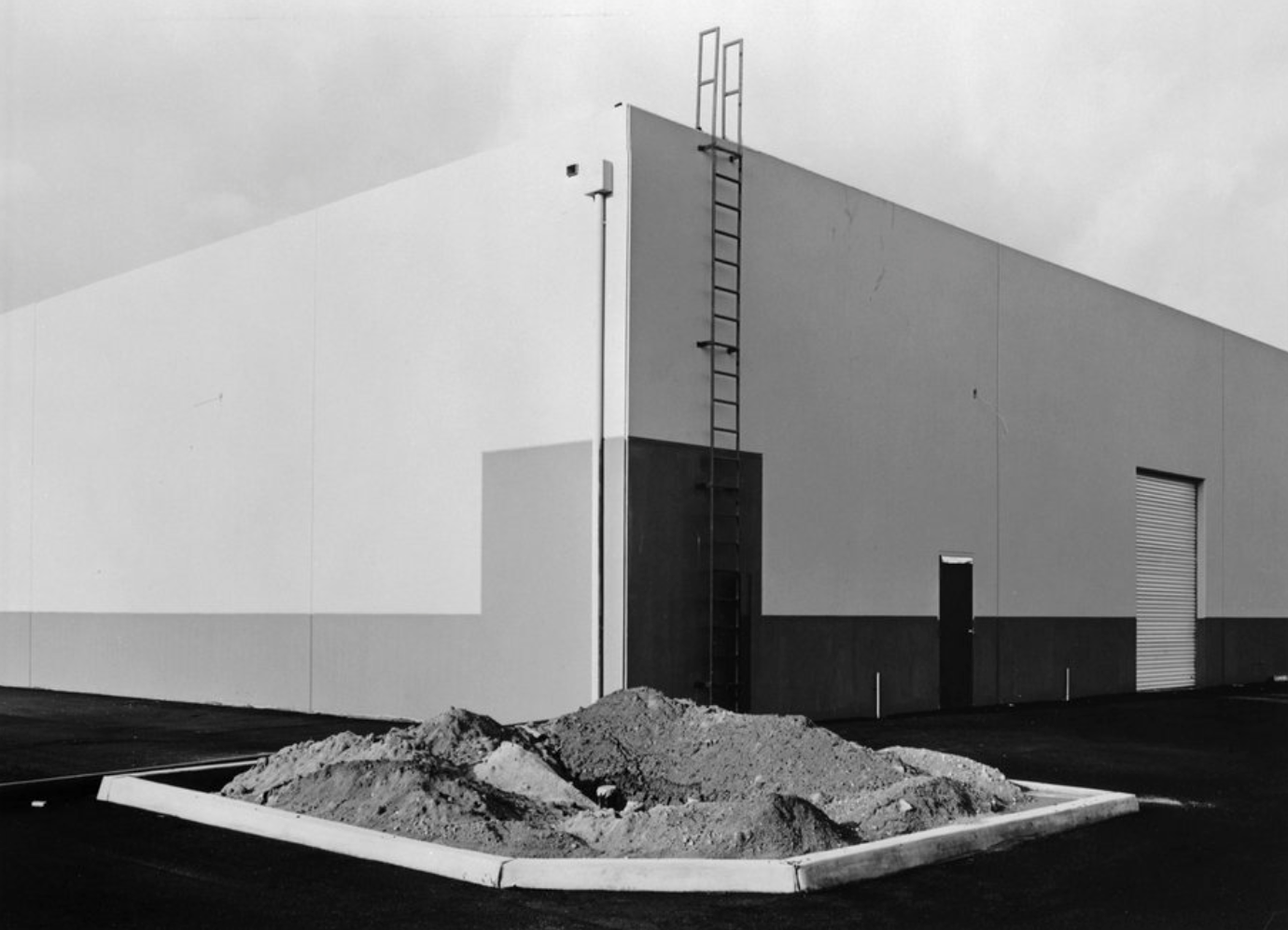
It is also worth noting that the creation of popular terrains leads to the loss of others. With the development of tourism and the movement of economic activity, modern interpretations of nature acquire labels such as “backward” and “inconvenient.” The idea of landscape therefore reflects changes in human activity.
From the late eighteenth century, domestic travel became fashionable among the middle class. Improved roads and the development of railways made travel more comfortable and faster. The end of nearly a century of hostility between Britain and France meant that the emerging middle class, familiar with foreign countryside and urban views through panoramic paintings, could tour continental Europe through arrangements made by Thomas Cook and similar entrepreneurs. The “lower classes” could walk or take inexpensive trains on short domestic journeys through uninhabited scenery.
Distinctive local rural scenery and activities associated with it were marked by innocence, safety, and tranquility. These landscapes and activities were positioned in the past, symbolizing “lost identity, lost relationships, and lost certainty.” In the real world, ancient rights of way, open spaces in new manufacturing towns and their surrounding countryside, and many remaining common lands were disappearing.
— Landscape and Identity
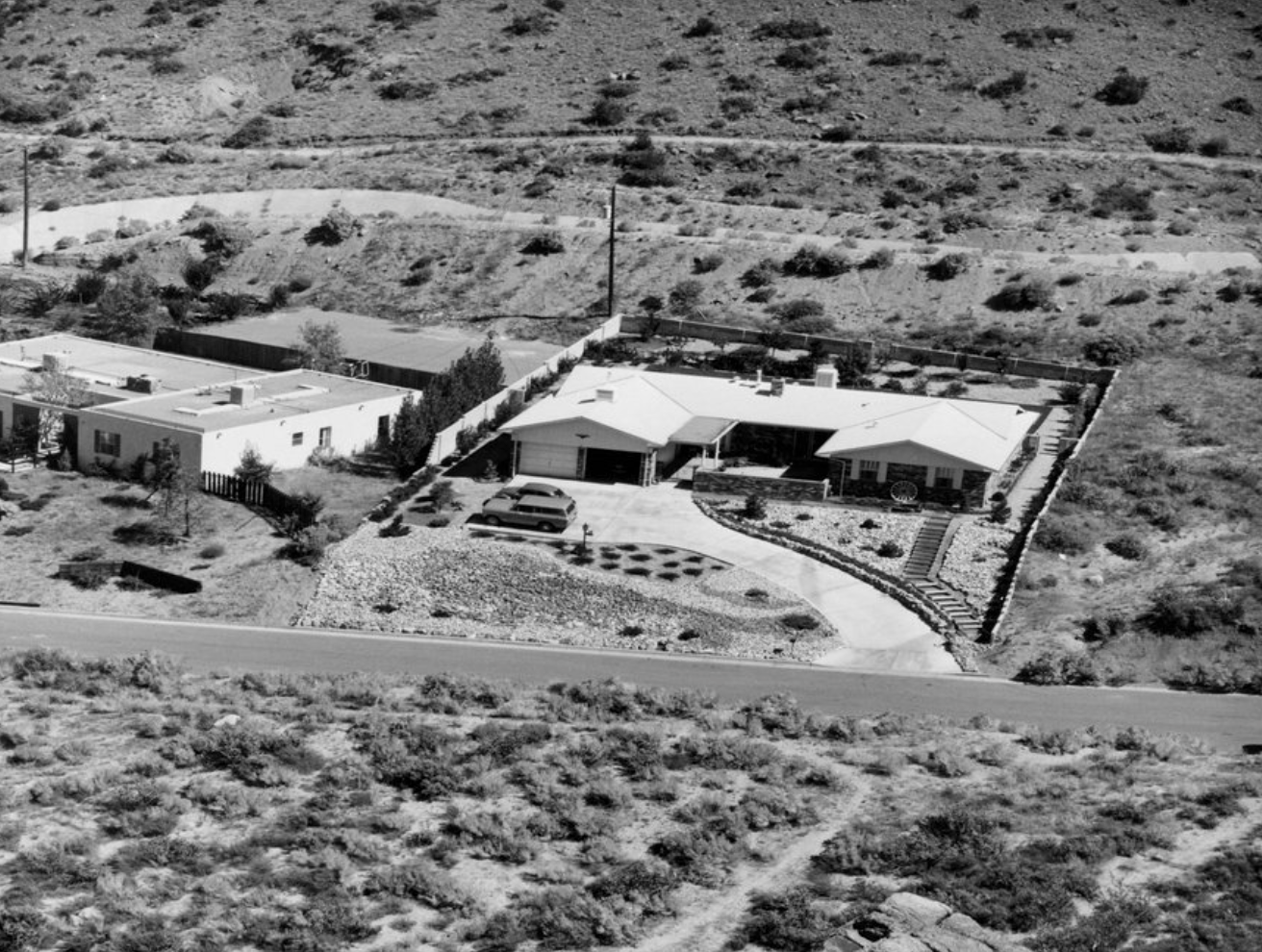
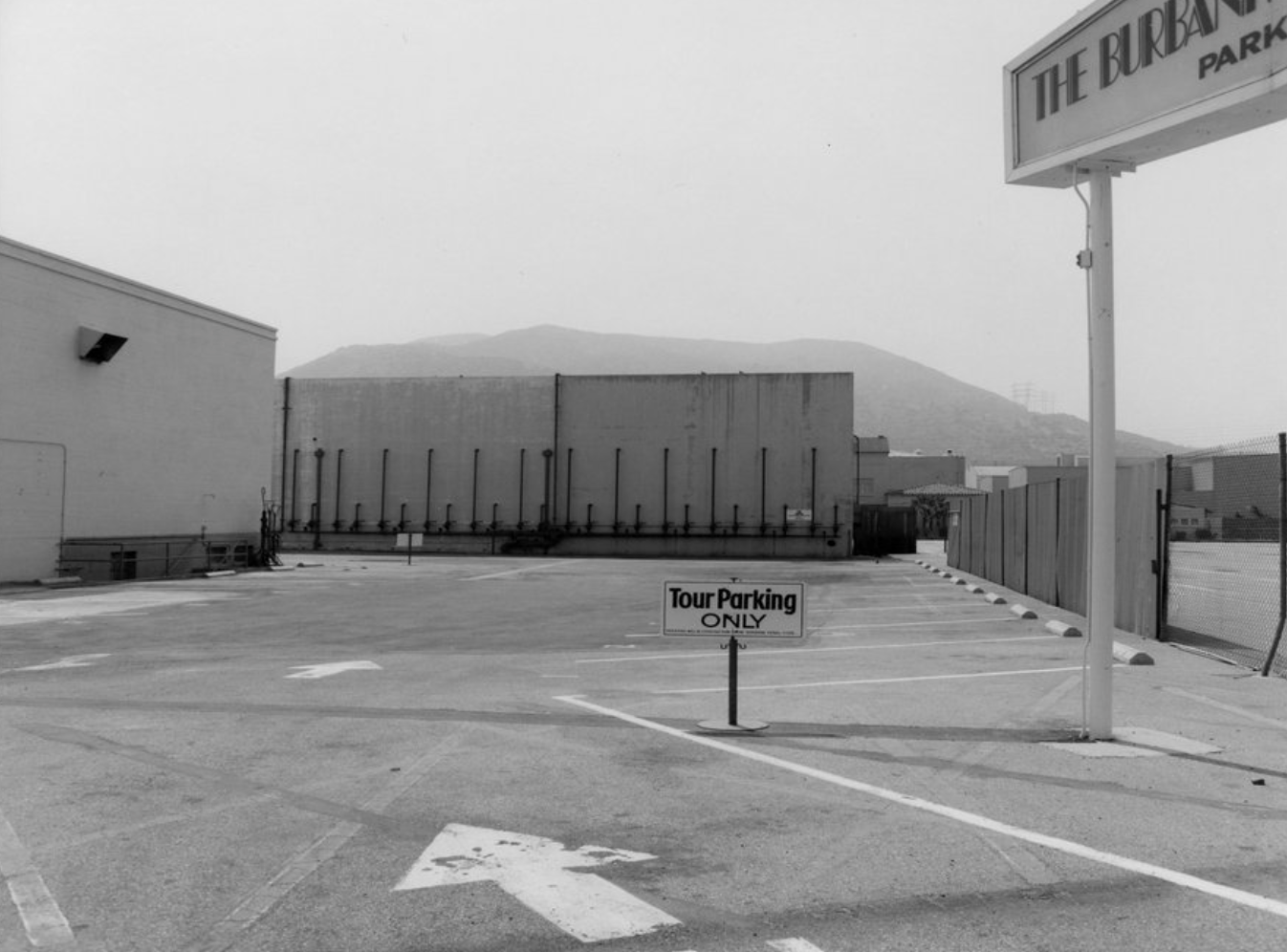
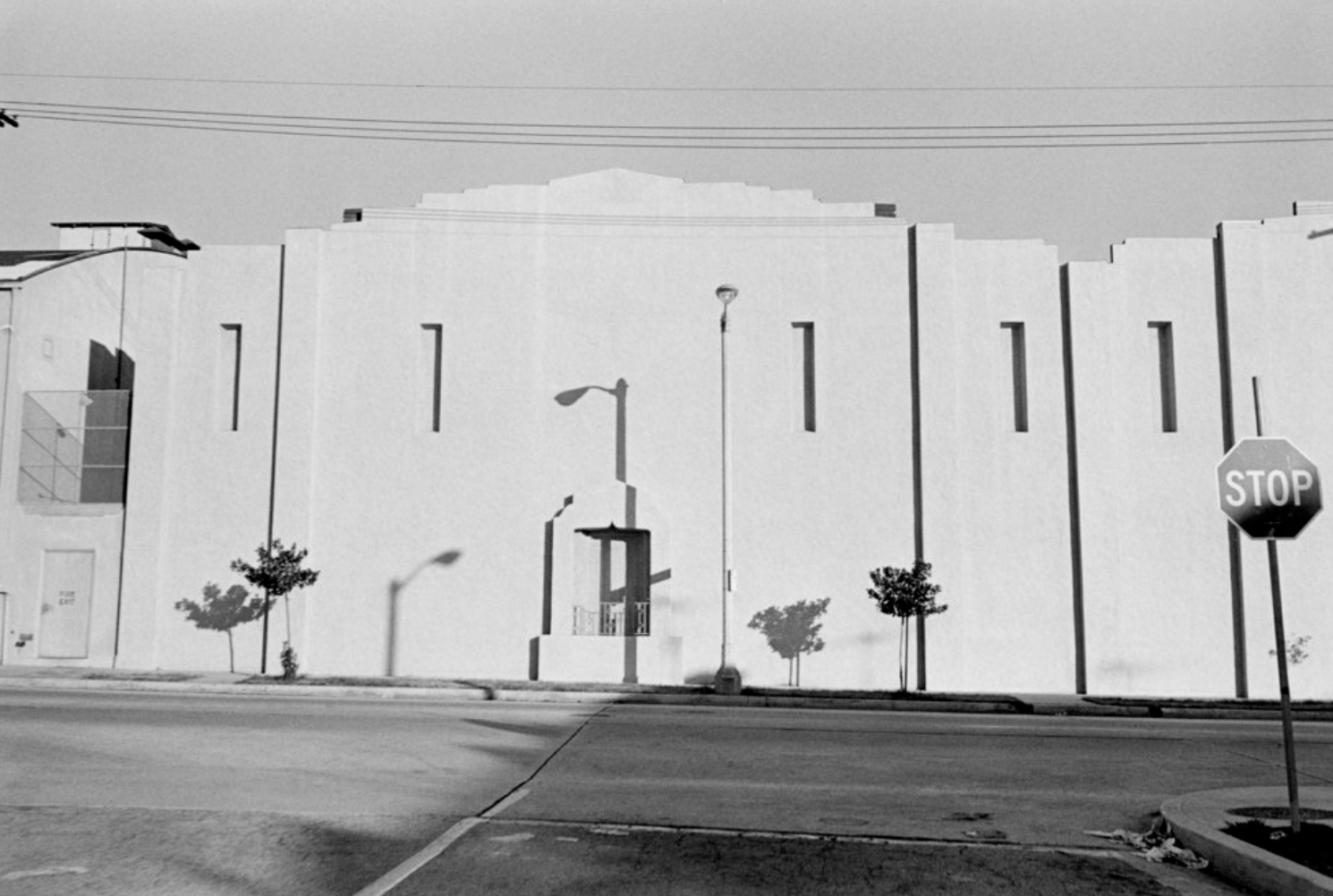
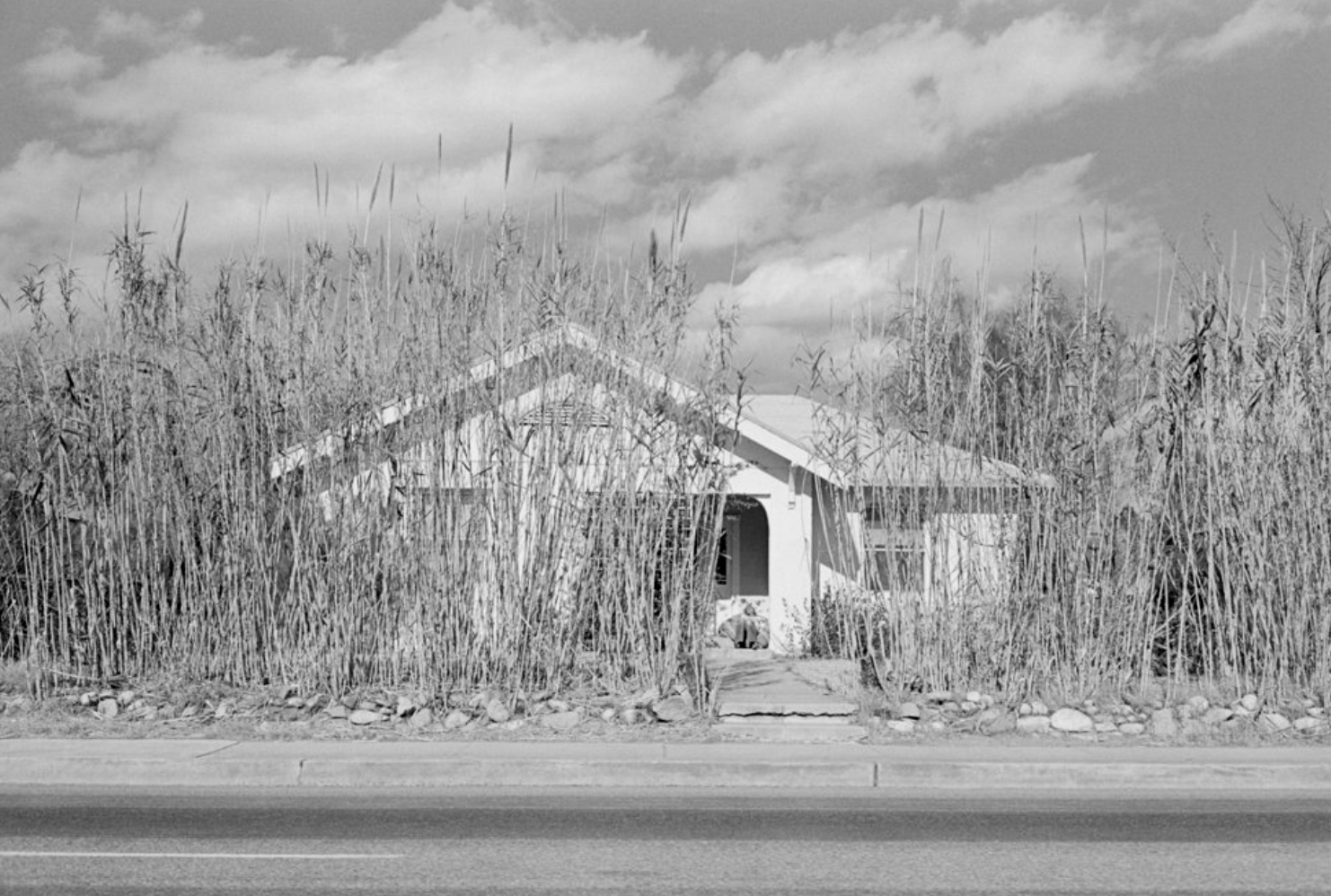
As capital shifted and human life changed, “lost terrain” appeared on a large scale.
05 — My View and Practice of New Topographics
I am not a landscape photographer. Perhaps because I grew up in a city, rural scenery has little attraction for me. I am also rather lazy, so I would not climb dozens of floors to make time-lapse images of light trails, nor travel to uninhabited mountains and rivers to photograph the stars.
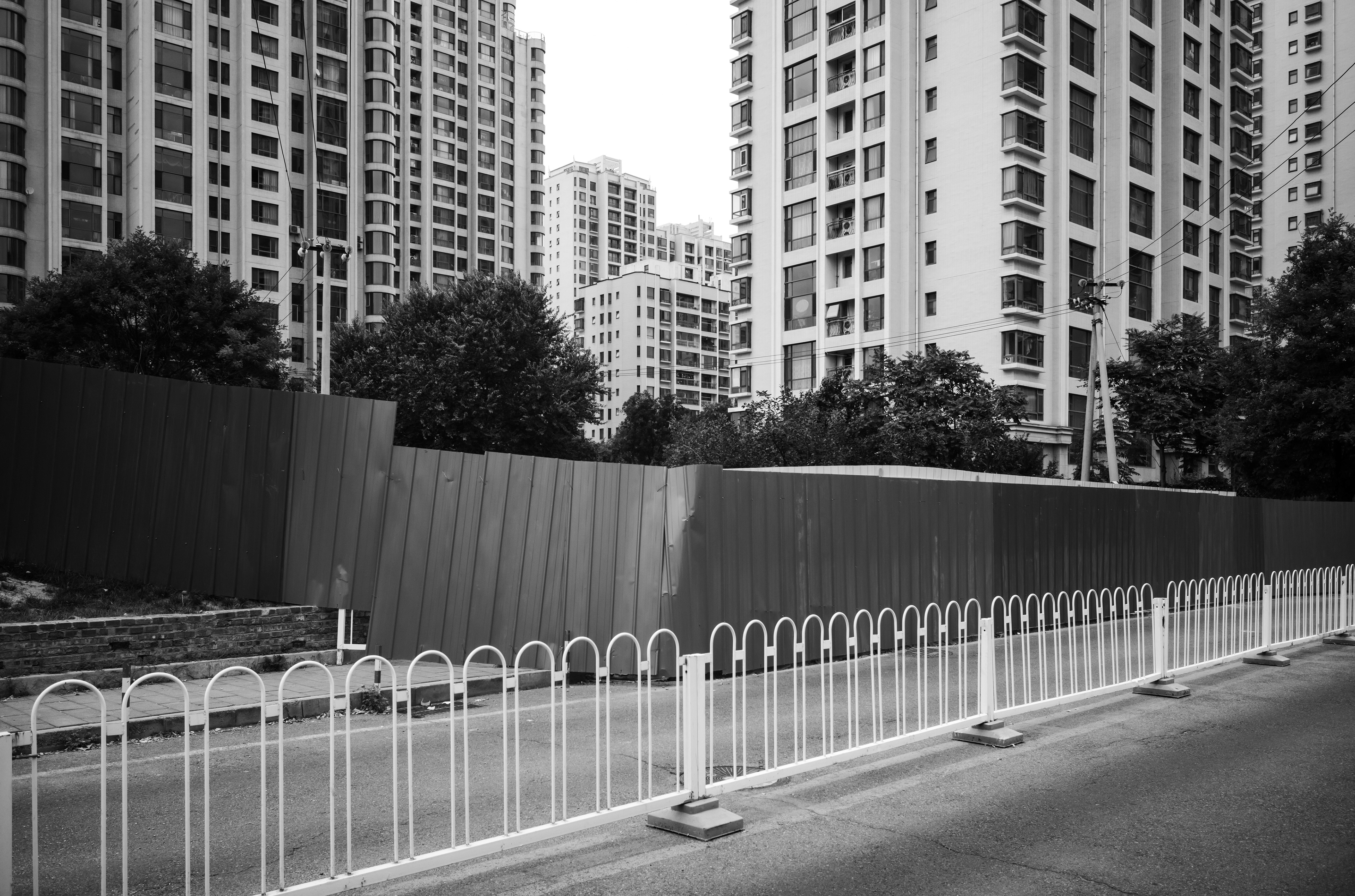
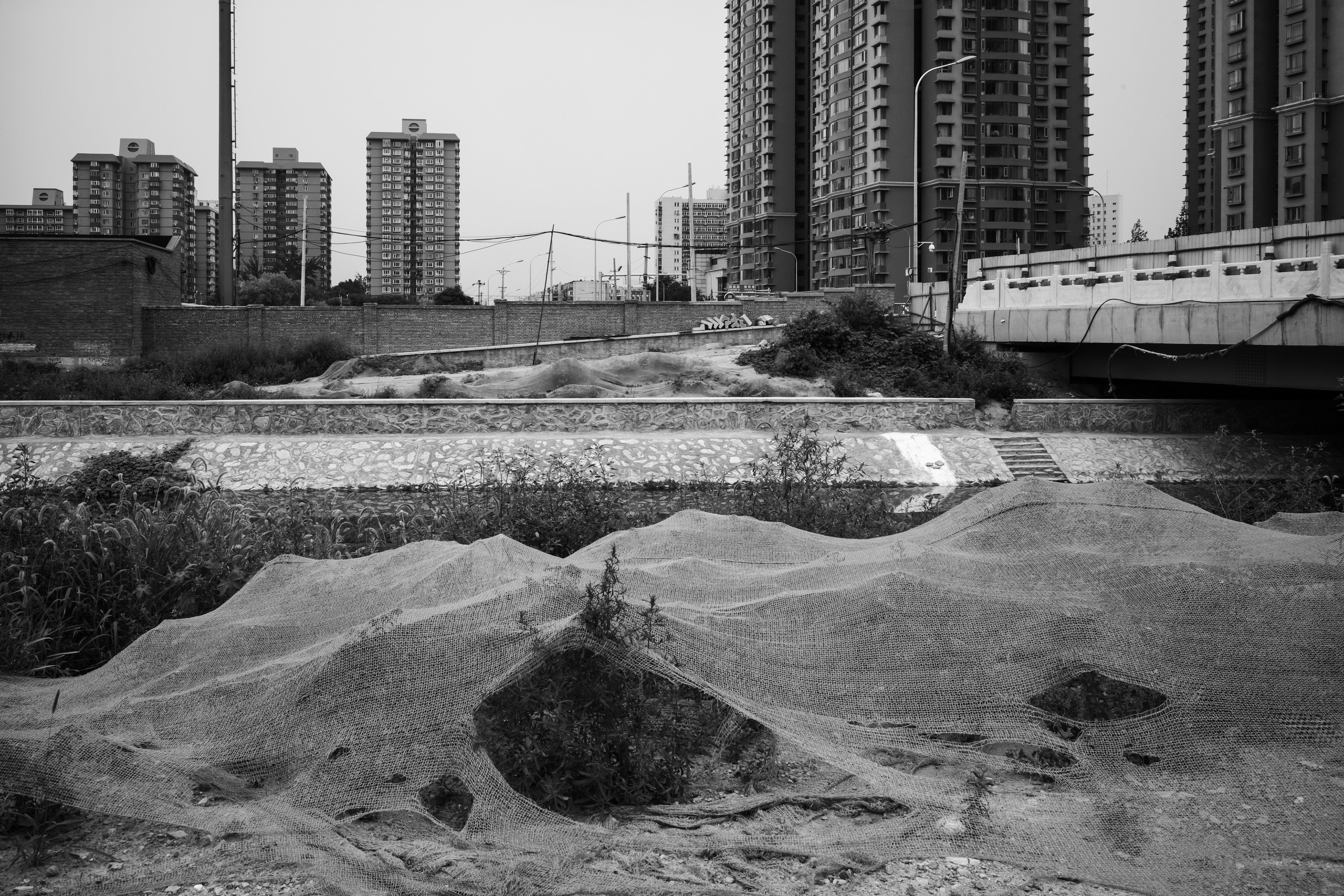
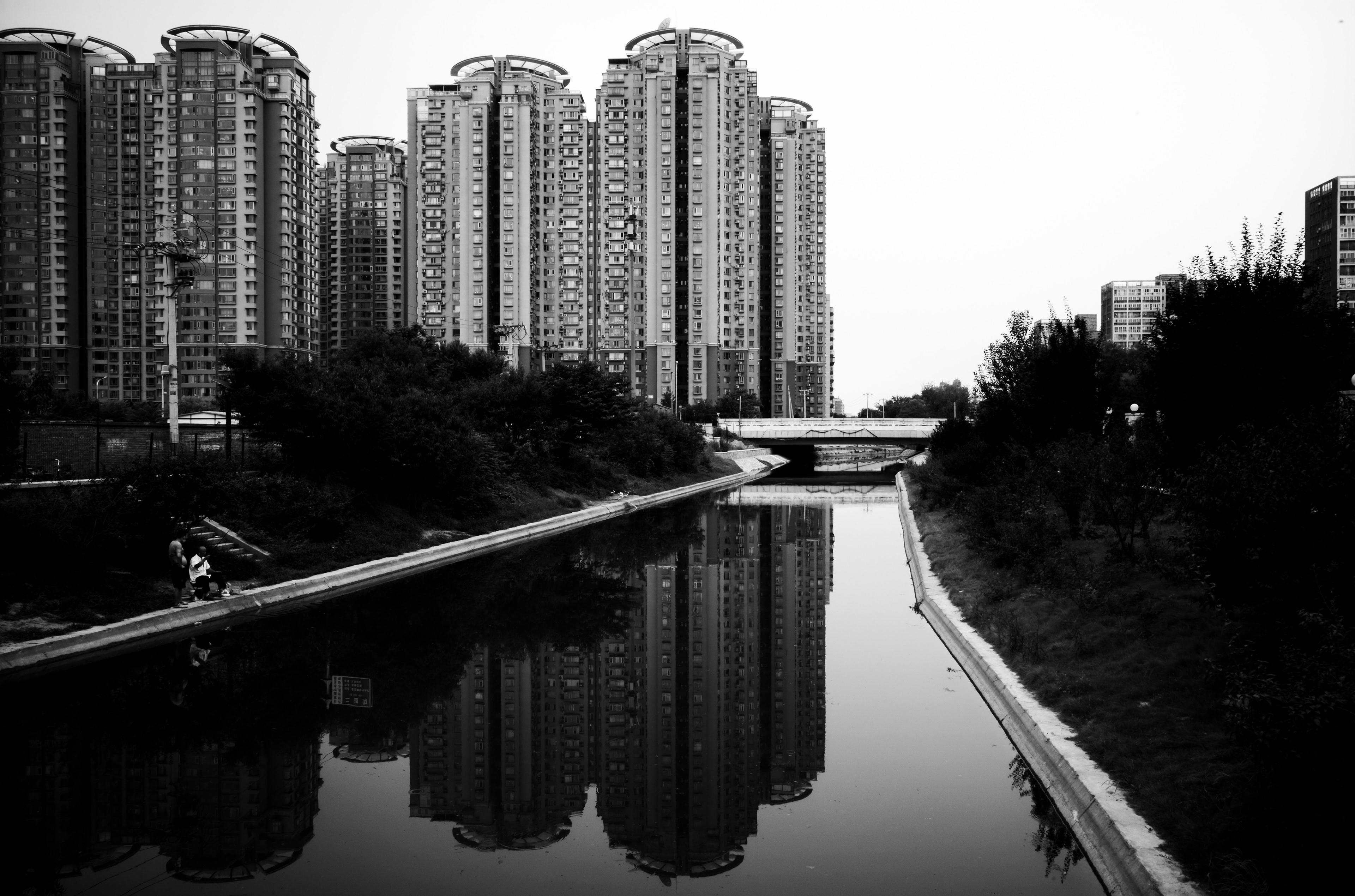
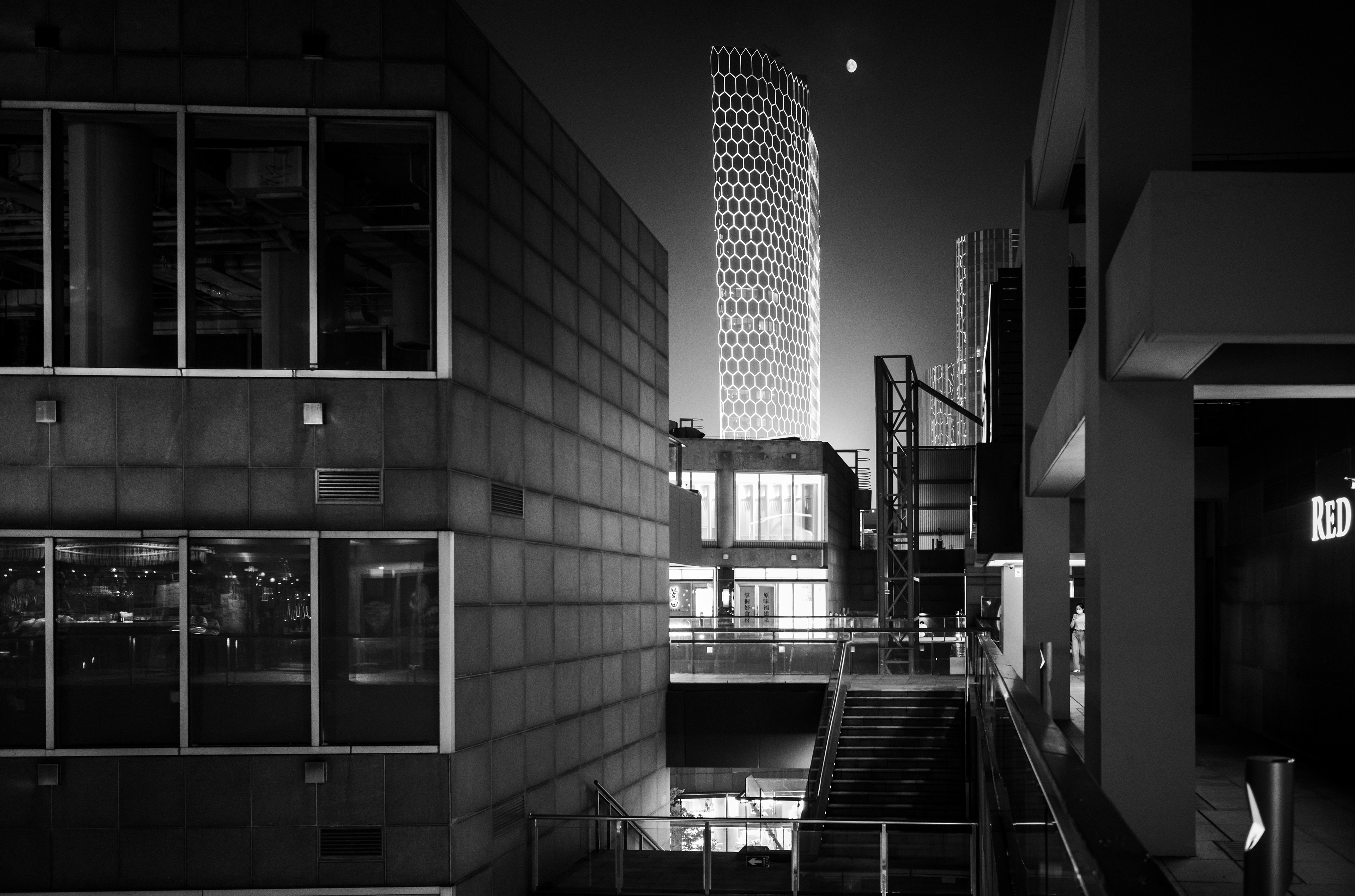
Perhaps the wave of reform and social change in the 1980s left an unconscious mark on me. I have always carried a kind of scar. Waves of unemployment and the transformation of Wuhan as an industrial city were not things I deliberately followed, but they left a deep impression on me as a child.
Although New Topographics opposed romantic tendencies and advocated separating personal emotion from the image, the beauty of points, lines, and planes within the frame still came from painting—or, more precisely, photography explored these things later than painting did. Images associated with New Topographics possess genuine beauty and internal expression. In practice, it is therefore difficult to separate New Topographics completely from self-expression.
New Topographics advocates “reason” and “objectivity,” even “non-expression” and “absence of emotion.” My own view is the opposite: these landscapes are filled with feeling, although that feeling is difficult to communicate to the viewer. Compared with portraiture, at least, the emotions of New Topographics are subtle and restrained. For me, this objectivity carries an inherent “sense of a lost wound.” By contrast, the “new” terrain of the “present”—buildings, commercial districts, and streets—has never interested me as much.
I photograph the street more often, but recently I have also made what might be called New Topographics photographs, even when doing so subconsciously. I do not leave home because I have decided to photograph “new terrain” that day. While working, I also want to introduce something new. In a city like Beijing, beyond the bright lights and entertainment, one can still photograph a kind of pain resembling the transformation of a village. Buildings reflected in water and paths overgrown with weeds seem to describe this sadness. Neon light at night falls across people’s faces, revealing an unreal happiness and creating the fear that it may end as suddenly as fireworks. This makes me hold the camera with greater hesitation and press the shutter more carefully.
I think New Topographics can be treated as a category. There is no need to turn oneself into a New Topographics photographer. The most important thing in photography remains photographing what one loves. If I return to Wuhan one day, enter a lost industrial district, and make a series of empty factories to express my memory of lost wounds, the work might be categorized as “New Topographics.” I would still prefer to call it “self-expression.”
It may be precisely because I experienced the development, height, and slowing of China’s industrialization—and lived among “lost people” and “lost cities”—that I formed my own way of observing and understanding the rational objectivity of New Topographics. “Lost new terrain” is not the whole of New Topographics, but this particular experience has made me more receptive to still and restrained images.