
“Despondent” Images in the Photography of an Era
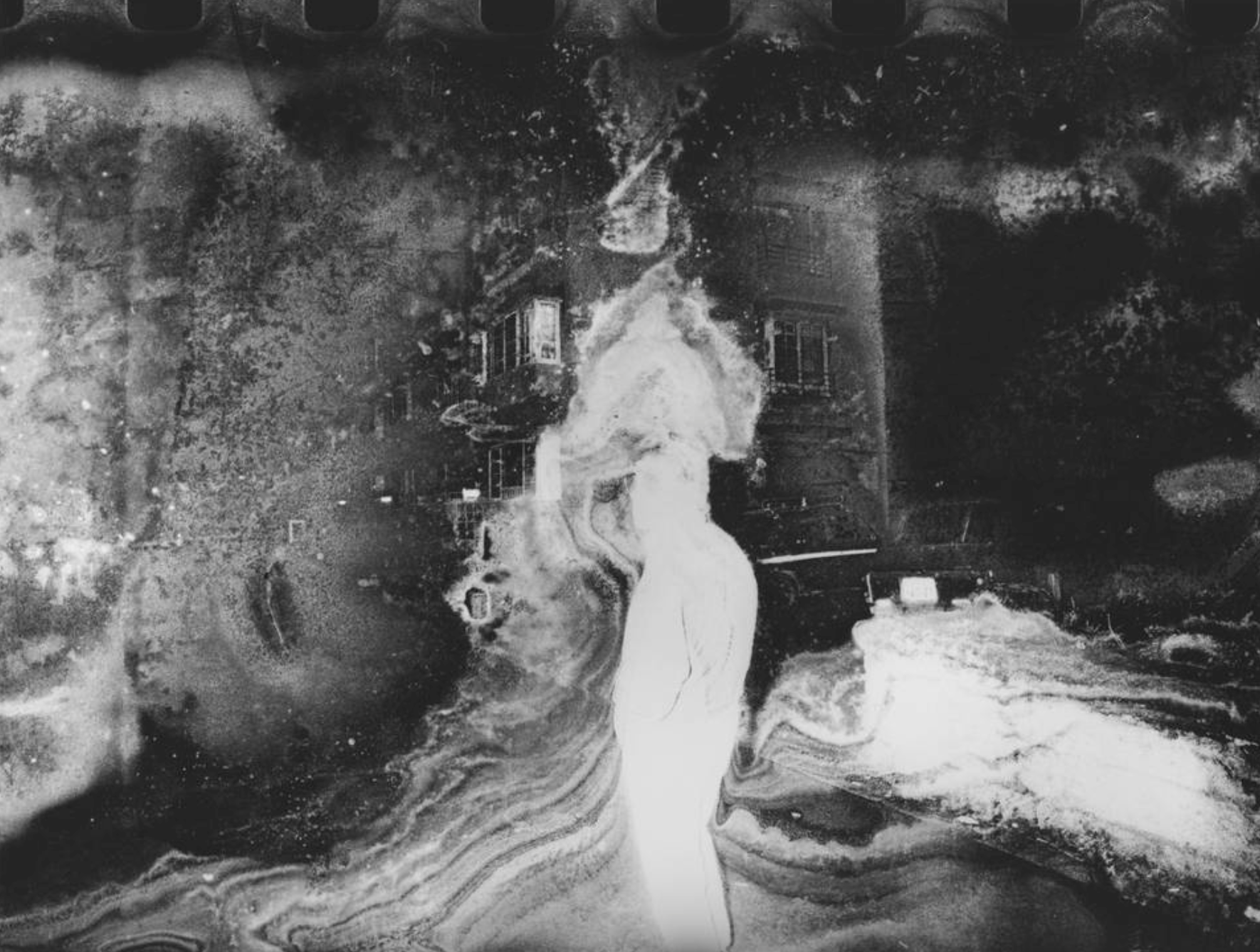
“Life has been getting harder lately.” Friends often say this to me.
I feel the same way myself. As the economy declines, many things no longer seem as “upward-looking” as they once did, including people’s confidence in society, the future, and themselves. As we grow older, many things that were vague become clear, only to become more obscure again. Remaining a little unaware is genuinely difficult.
When winter arrives in Beijing, the wind begins to bite. Walking along the streets, I see many things becoming desolate and losing their vitality, while people seem to smile less. It has become difficult to find anything joyful in images. Seen this way, the photographs I have taken recently also seem far removed from “happiness.”
01 — Daidō Moriyama
Many people probably know more about Daidō Moriyama than I do. I have not seen much of his work. My first impression of him came when I was using a GR camera and making high-contrast black-and-white photographs. Many people said, “Wow, that looks a lot like Daidō Moriyama.” Only then did I begin to learn about him on my own.
From today’s perspective, of course, Moriyama’s photographs are not especially difficult to understand. The meaning of photographic images has already been explored thoroughly from many directions. For me, the first impression was a kind of appeal that was “difficult to explain.” The decadence, desolation, and incompleteness struck me immediately. His photographs contain a sense of fragmentation that hangs over the entire narrative, showing cities and lives at the edge of collapse without restraint.
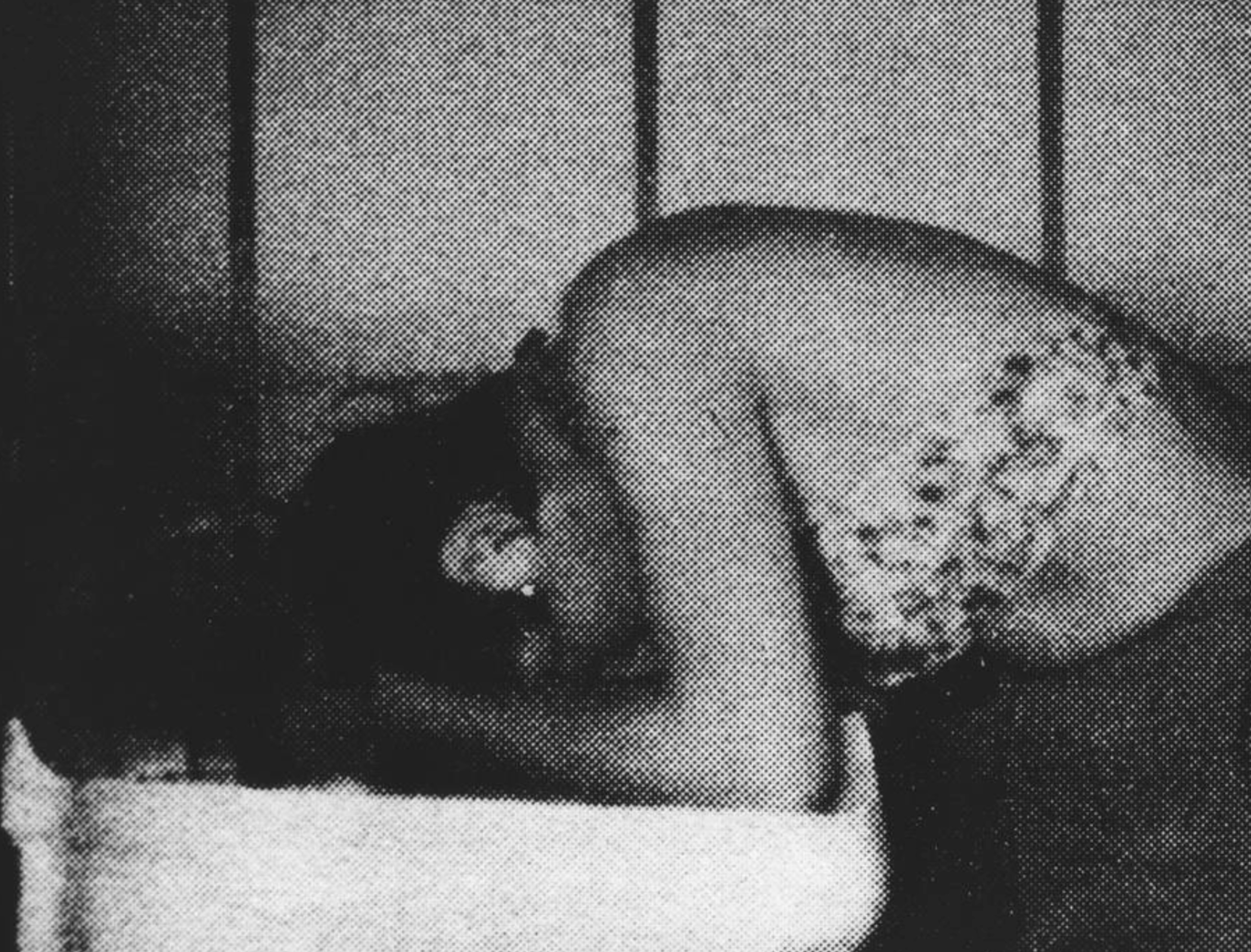
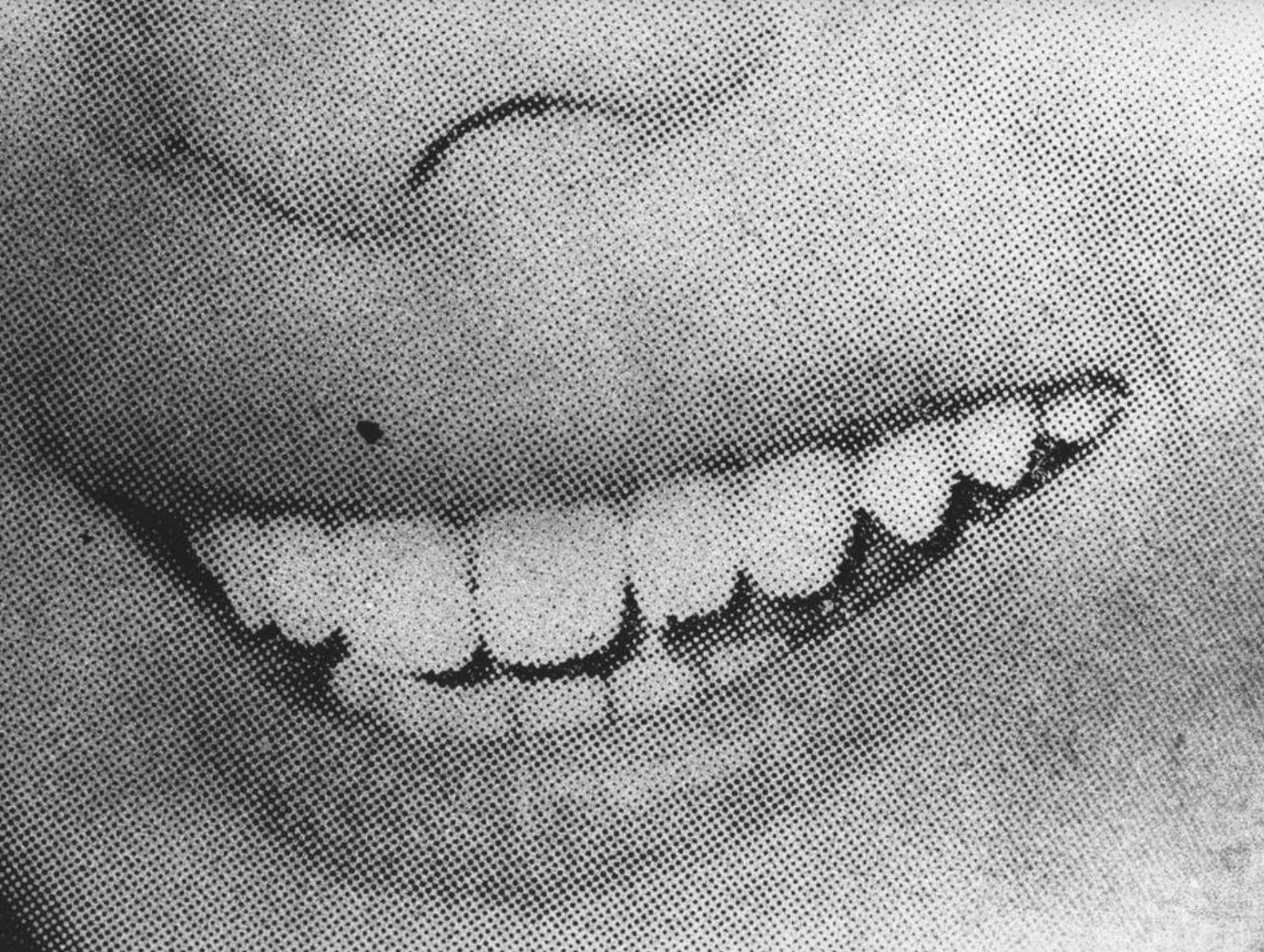
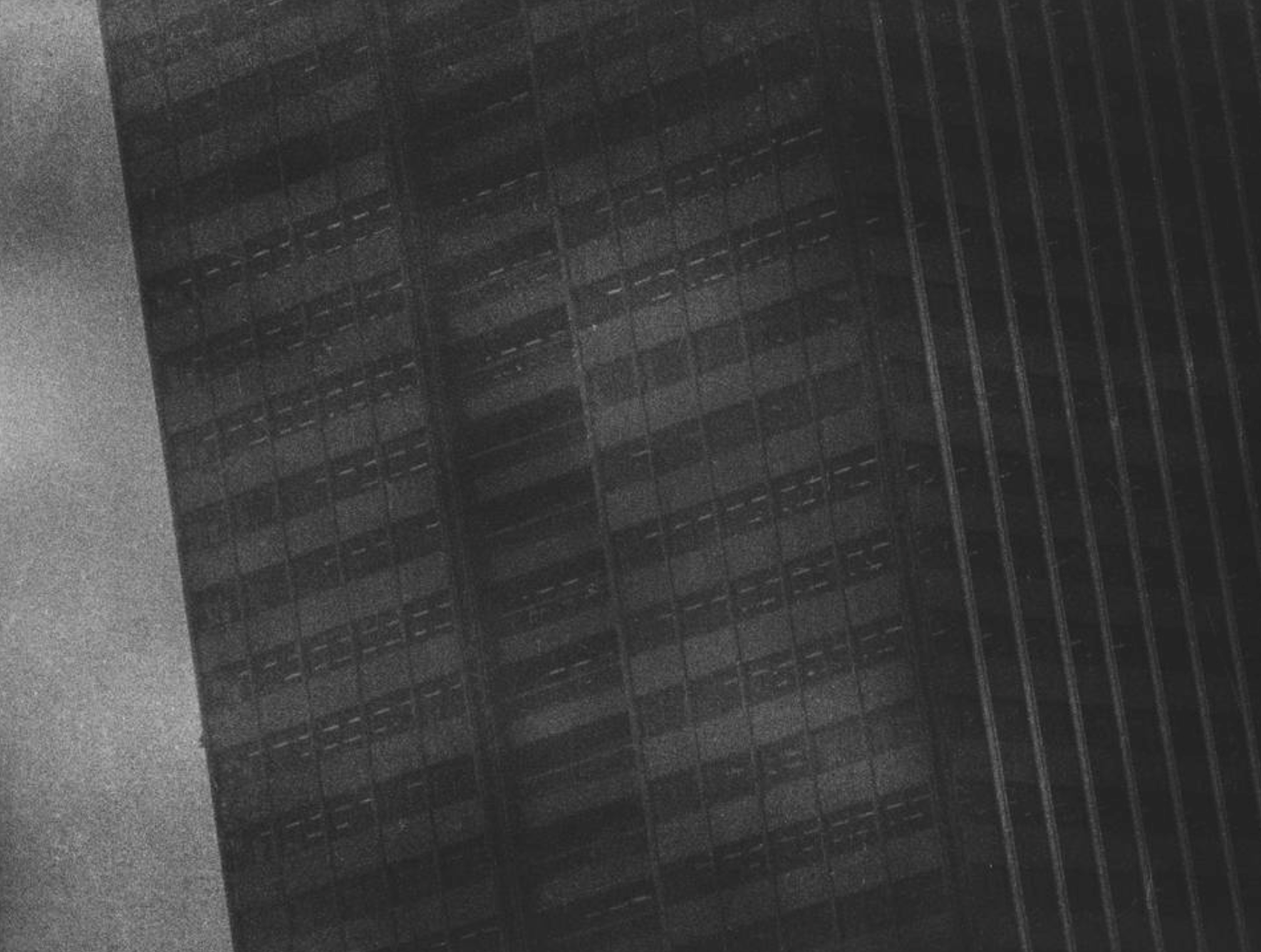
“Like a dog, I take photographs everywhere in the streets, almost as if relieving myself along the road.”
Moriyama’s photographs are much as he describes them. From the standpoint of serious photography, they might seem worth less than dog excrement. But if we understand more deeply his original intentions and state of mind when carrying out the “act of photography,” we may be able to see, from another perspective, the attraction of photographs that are “as unserious as dog excrement.”
02 — Hiroshi Sugimoto
If we look closely at photographic works, every period has its own distinct characteristics. American photography before the 1950s tended to be more serious. In postwar Japan, the effects of the war brought considerable changes to photographic style. The work of Hiroshi Sugimoto and Daidō Moriyama was shaped, to varying degrees, by the circumstances of their time.
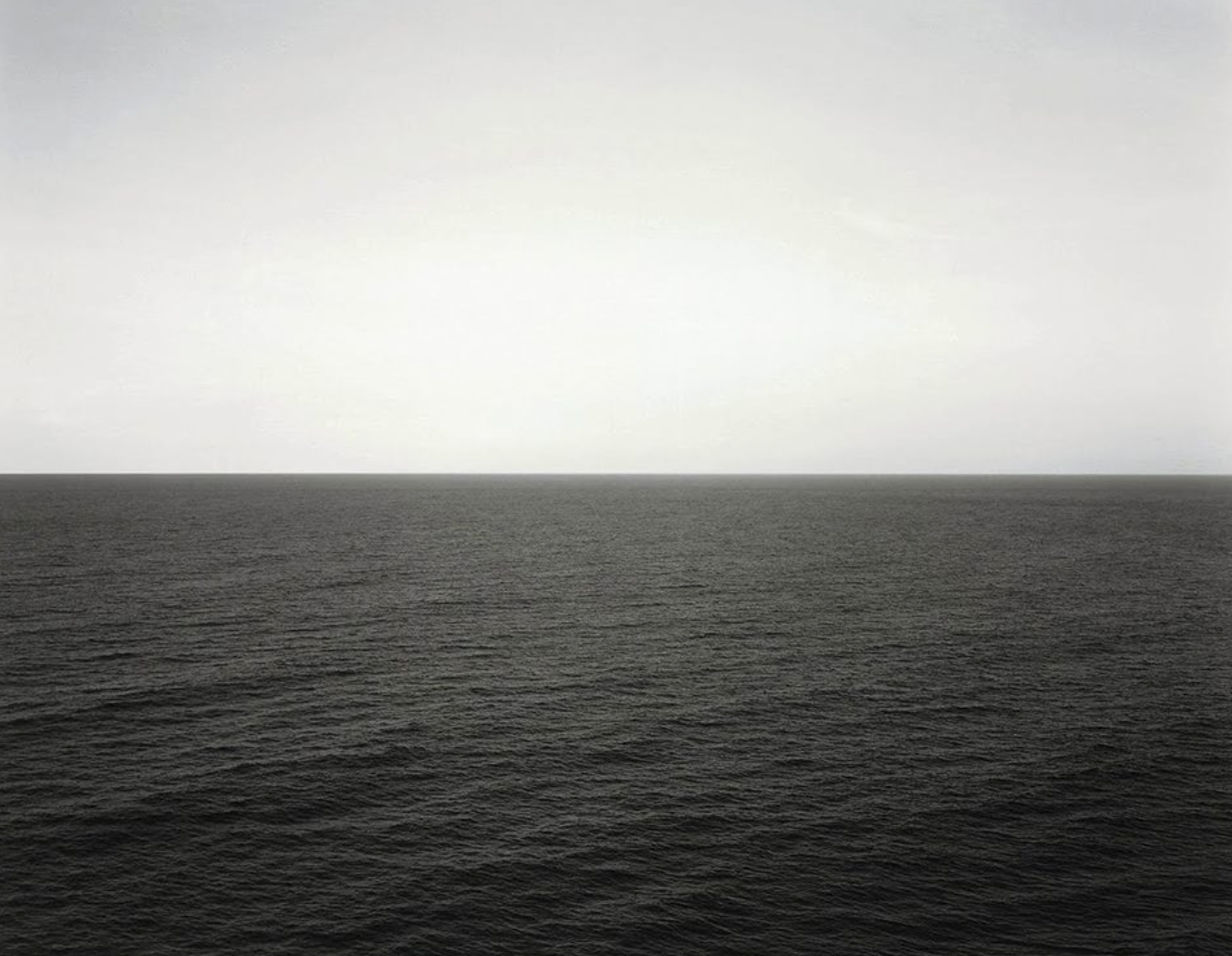
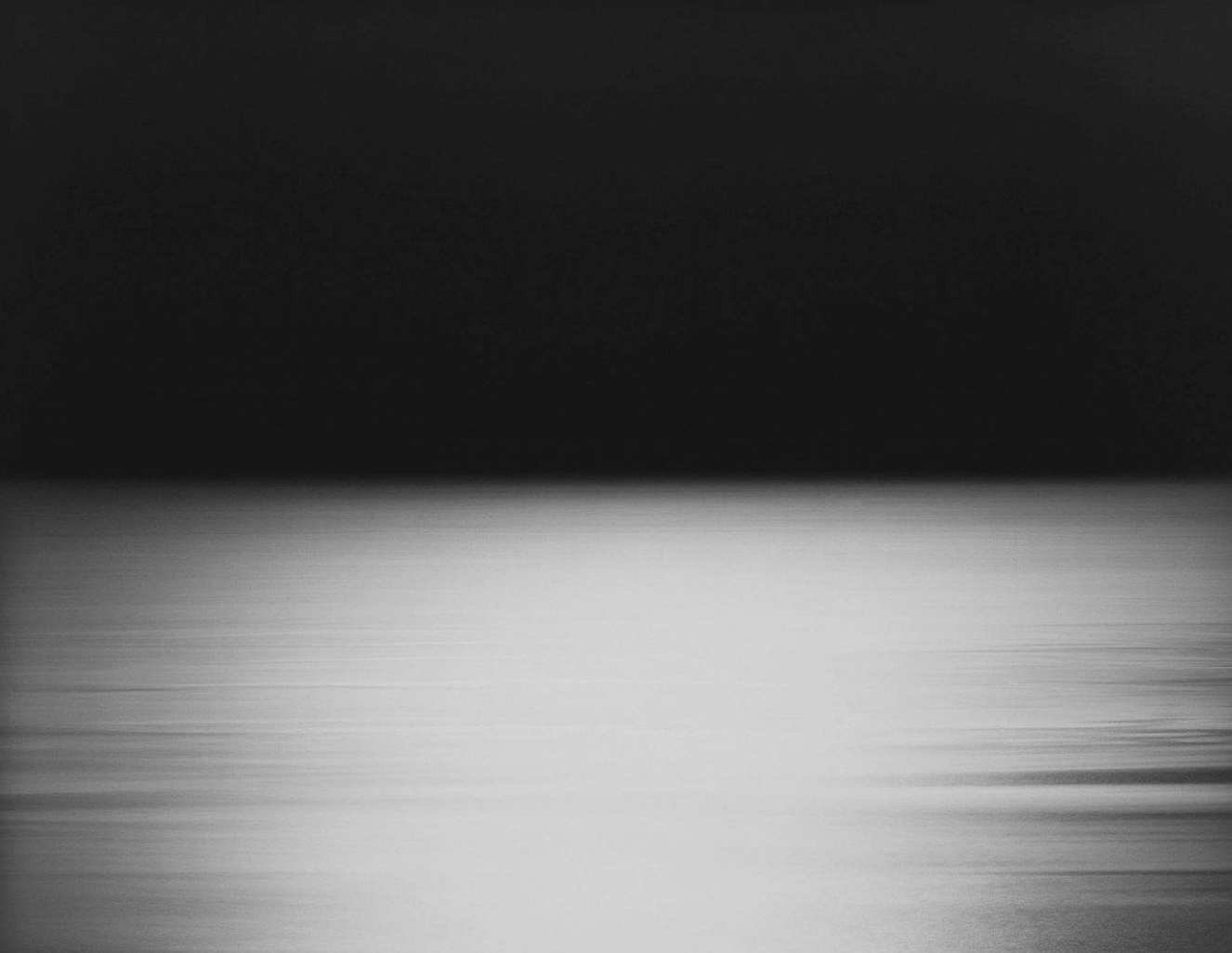
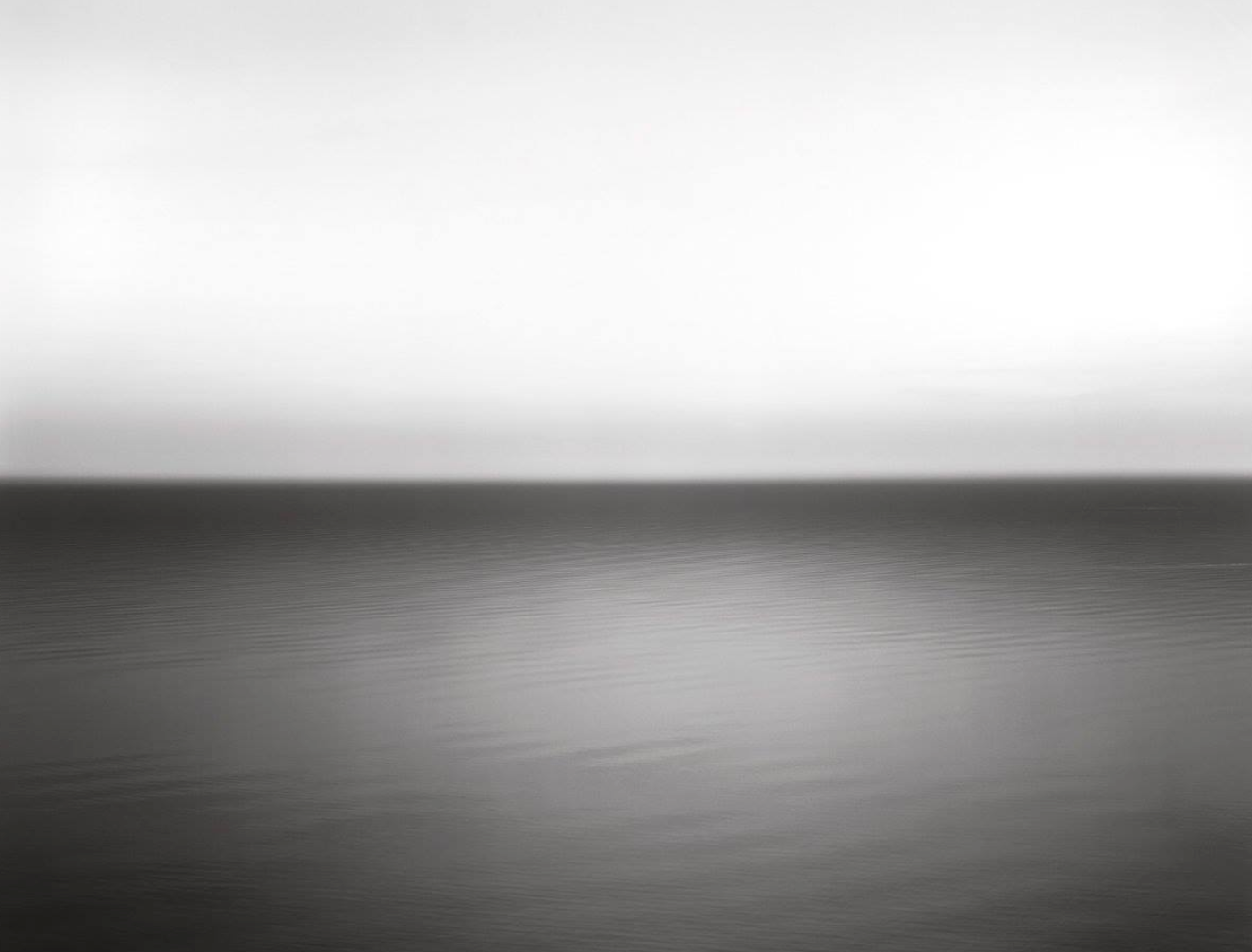
An era also seems to affect the photographer personally. When the world exists in an atmosphere where everyone looks toward the future, images appear full of optimism and happiness. But when the world begins to become harsh—or when people begin to make out the shape of their time and discover the harshness behind its veil—certain feelings enter the human mind. This change continually affects how photographers observe.
Interestingly, Sugimoto calls himself “a prewar Japanese person,” because he grew up in Japan as the country approached defeat in the war. When European and American media asked where he was born, his answer was “occupied Japan.”
An era does, indeed, affect its photographers.
03 — Despondent Images
Recent events in Hong Kong, layoffs at NetEase, and the broader economic decline have led many companies to begin planning staff reductions. On the streets, it already seems difficult to find the thriving scenes visible only a few years ago. Everything appears covered by a quiet, cold, and severe atmosphere.
This feeling has also brought considerable inner conflict. During a period of positive development and economic growth, I committed myself with genuine enthusiasm. When the economy began to decline, however, I found it difficult to convince myself that my earlier persistence had been right. Regarding capital, society, and my own value, I have moved painfully between “acceptance and rejection.” This brought to mind Daidō Moriyama and Hiroshi Sugimoto. In his autobiography, Moriyama wrote something like, “I had nothing to do and wandered the streets every day,” and “I was also very depressed.” I strongly identified with this. As I walk through bleak streets, the things I photograph have become increasingly despondent. I do not know when this sense of despondency became standard among young people, but it never seems to have stopped spreading.
I then thought about the “difficult-to-explain” appeal I had felt when previously looking at Moriyama. In fact, I had not experienced it deeply. I had only paid attention to how the images and aesthetics differed from “tradition,” while interpreting them with a sense of confidence in “modernity.” It is like a photographer who photographs waste pickers while living a privileged life. It is difficult for that photographer to understand their lives fully, and the resulting pictures may carry an unconscious confidence and arrogance.
Today, as China’s economy genuinely slows and we realize that rapid development and the so-called “respectable life” cannot continue indefinitely, we also begin to reflect. What lies behind the times? What should we photograph?
Thinking about this, I can understand Moriyama’s images a little better. When an era shifts from moving at high speed to braking, a photographer who is part of that era can do little more than record it, even if the resulting impression is desolate, decadent, and lifeless. Despondency seems to have become part of this generation’s memory. What a photographer can do may simply be to record this characteristic of the times.