
Everyday Photography and “CONPORA”
Today, our understanding of photography seems to focus more on the image, composition, and background blur. Yet when we look back at those images several years later, it can be difficult to draw much from them. In the present day, we can easily make “beautiful” images with refined “composition,” sharp subjects, and smooth blur. Some photographs can be enlarged many times and still show every pore. Rapidly developing smartphone cameras and AI can help people who do not “know” photography take “good” pictures and share them anywhere at any time. What, then, should photography be today?
Those who follow me know that I have long held the following view of photography’s development in China: “It does not compare with Japan, much less the West, but we still need to find our own way forward.” I am relatively pessimistic about the accumulation of photographic theory. After all, it is difficult enough to make a living from photography, let alone a good one.
Even so, every period leaves behind materials that can be consulted and read, and there are always people willing to record something different.
01 — Robert Frank
We like the phrase “the decisive moment” today because it carries so much force. Simply saying it seems to place a person at a higher level, from which every other kind of photography can be dismissed. The phrase also dominated photography in the United States during the first half of the twentieth century. At the time, there was a tendency toward “serious photography”: black and white, objectivity, decisiveness, the instant, and so on. Only photographs containing these elements seemed to count as real photography.
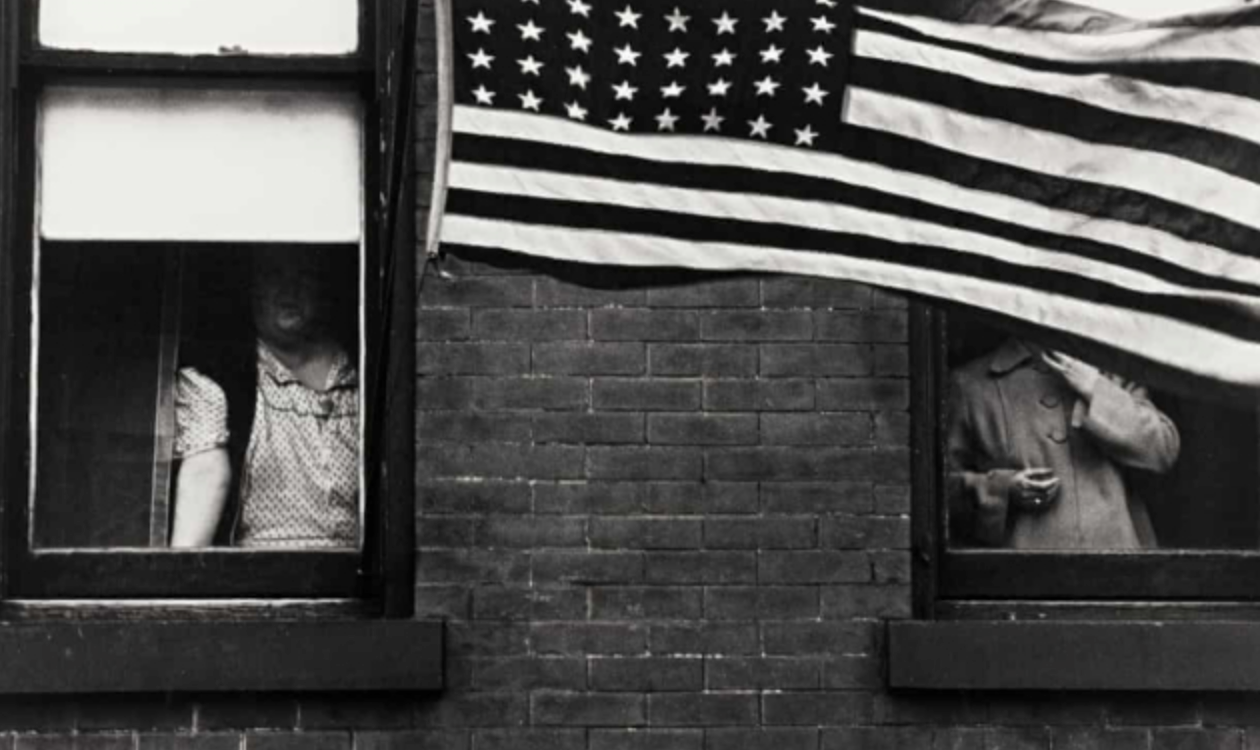
Robert Frank’s work brought a considerable shock to the United States at the time. It also challenged both “the decisive moment” and “objective photography.” From some perspectives, neither of these approaches was wrong, just as the sacred paintings made before the Renaissance were not wrong. But from the perspective of the present, they can be seen more as a form of restriction.
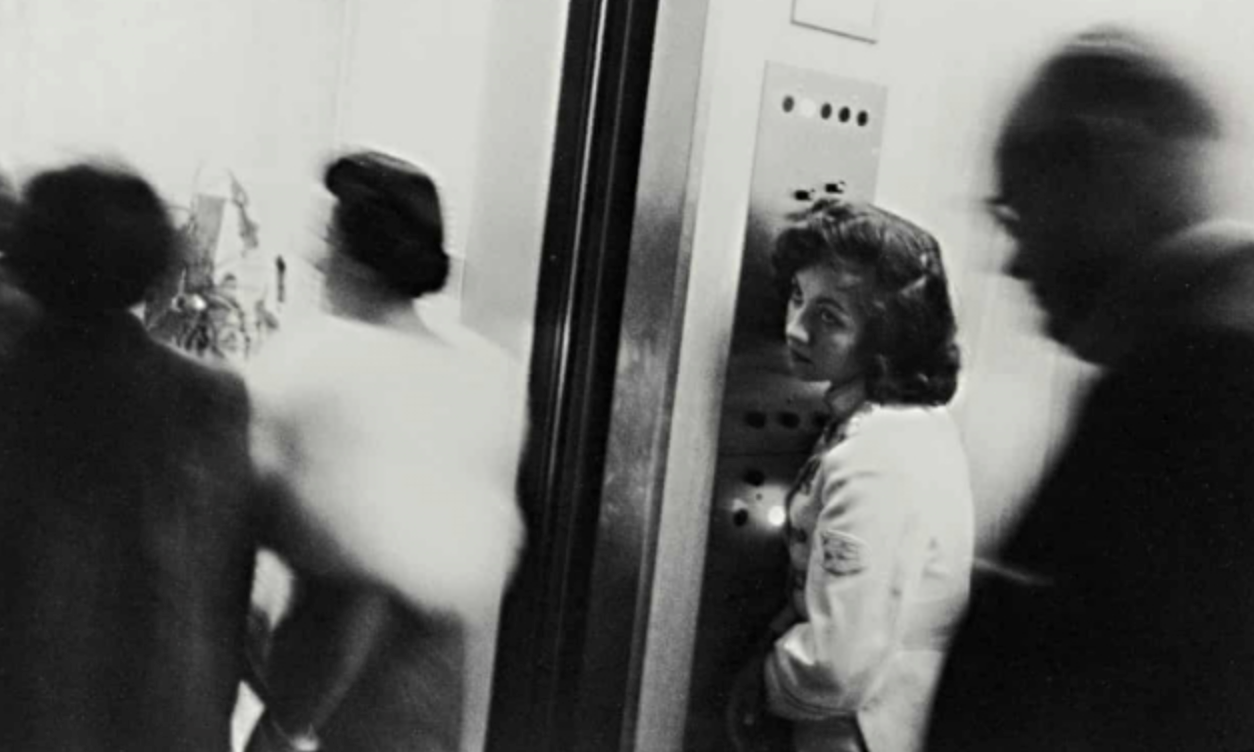
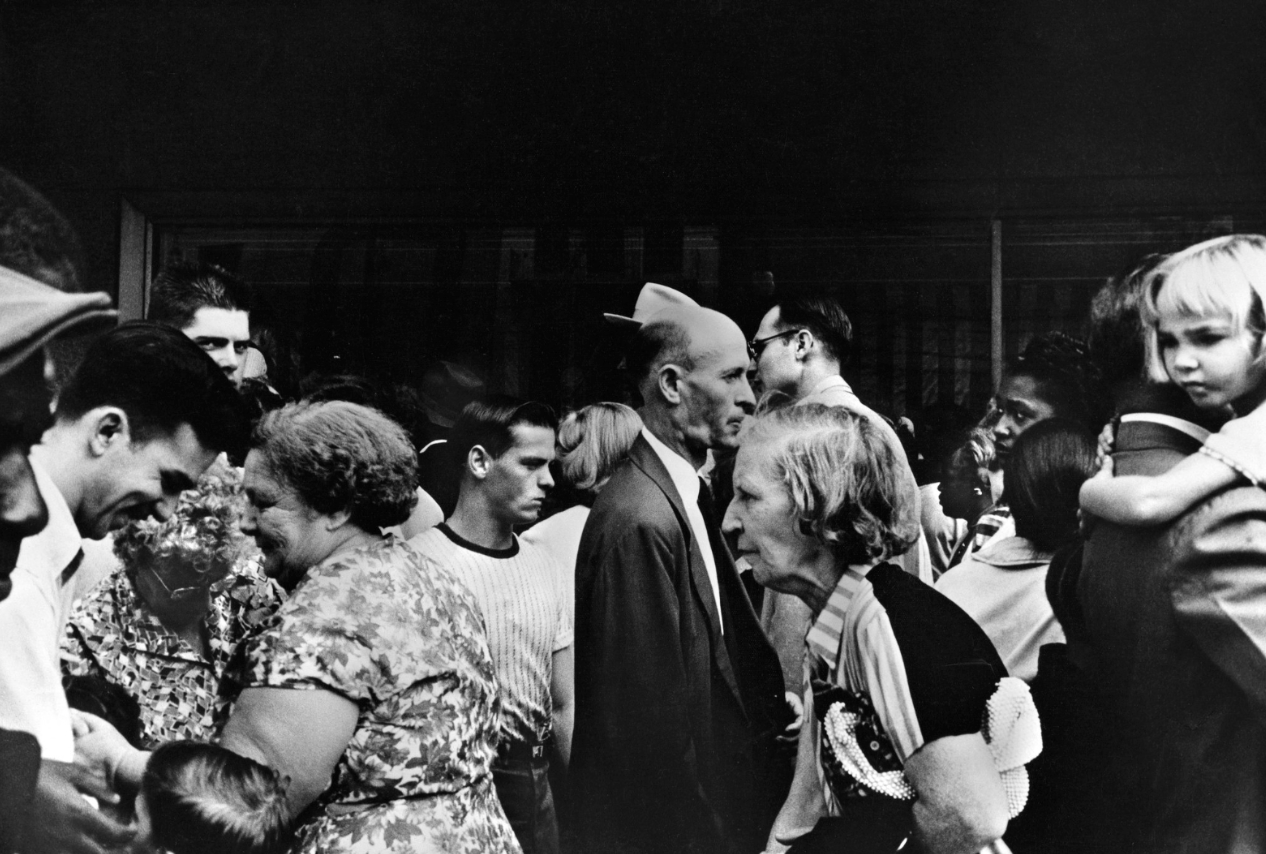
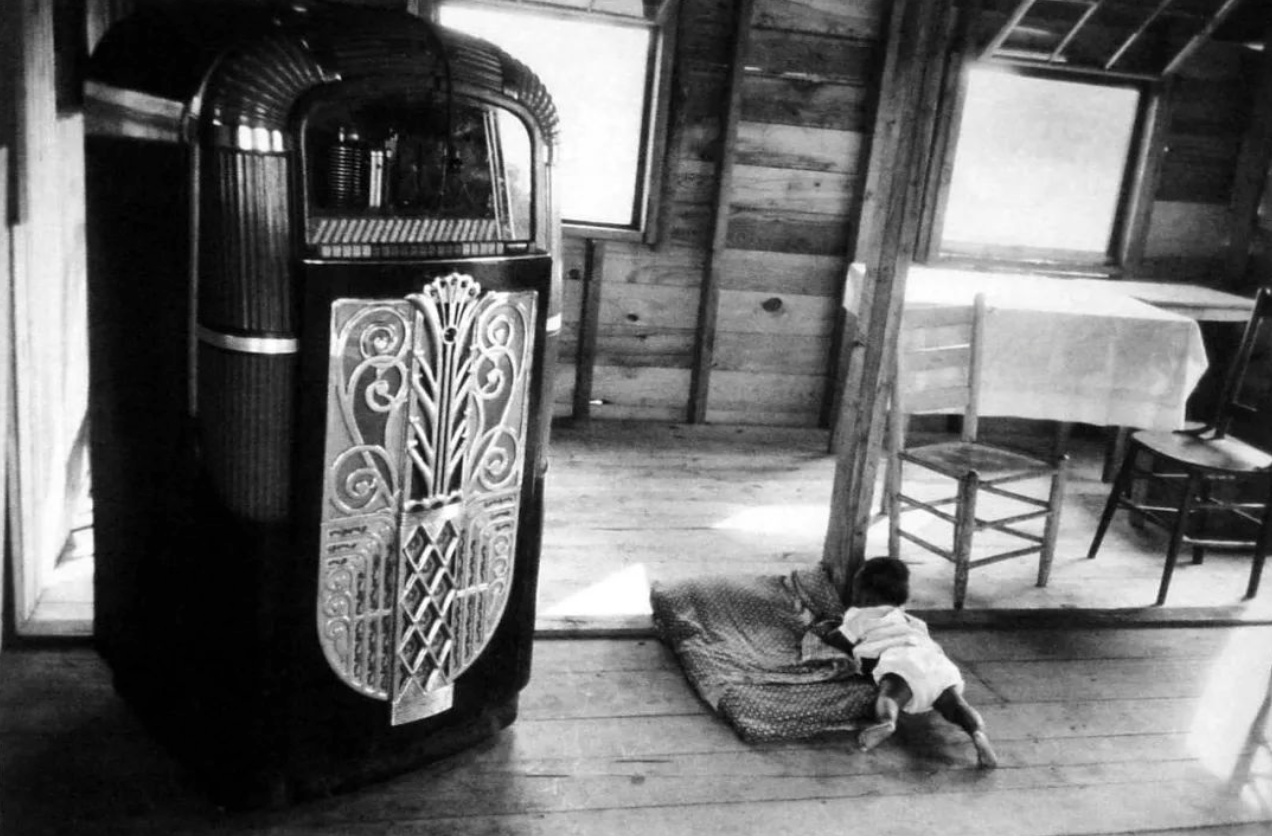
Before this, people approached photography seriously. Focus, exposure, and composition may not have been doctrines, but they were “habits” that photography students had to learn and photographers took for granted. If a photograph lacked proper focus and its exposure was incorrect, it seemed unable to stand as a “work” in its own right.
From this perspective, the decadence and sense of loss in Robert Frank’s The Americans genuinely shocked Americans at the time. Its unfocused, unsettled, untidy, and weary expression brought a visual sense of “novelty.” At the same time, it recorded the absurdity beneath the surface of a prosperous America.
“Meaningless blur, roughness, gray haze, tilted horizons, and large areas of distortion.” This was the response of the photographic “academy” at the time. It was nevertheless unable to prevent that real absurdity from entering public view and exerting its force.
02 — Yutaka Takanashi
Yutaka Takanashi studied photography at Nihon University. After graduating, however, he felt uncertain about photography. It was only after entering the Kuwasawa Design School that he began to photograph with a clear sense of purpose.
One interesting episode in Takanashi’s career concerns his collection Otsukaresama. For this work, he invited a number of prominent public figures to his studio and photographed them. Both his methods and technique received high praise, bringing him considerable attention. Takanashi himself, however, was very angry. He thought, “It is hard to believe that work like this could win an award.” He then decided to “show them that this is not what my work is,” and went out into the streets to make photographs.
At this point, Robert Frank provided inspiration for Takanashi.
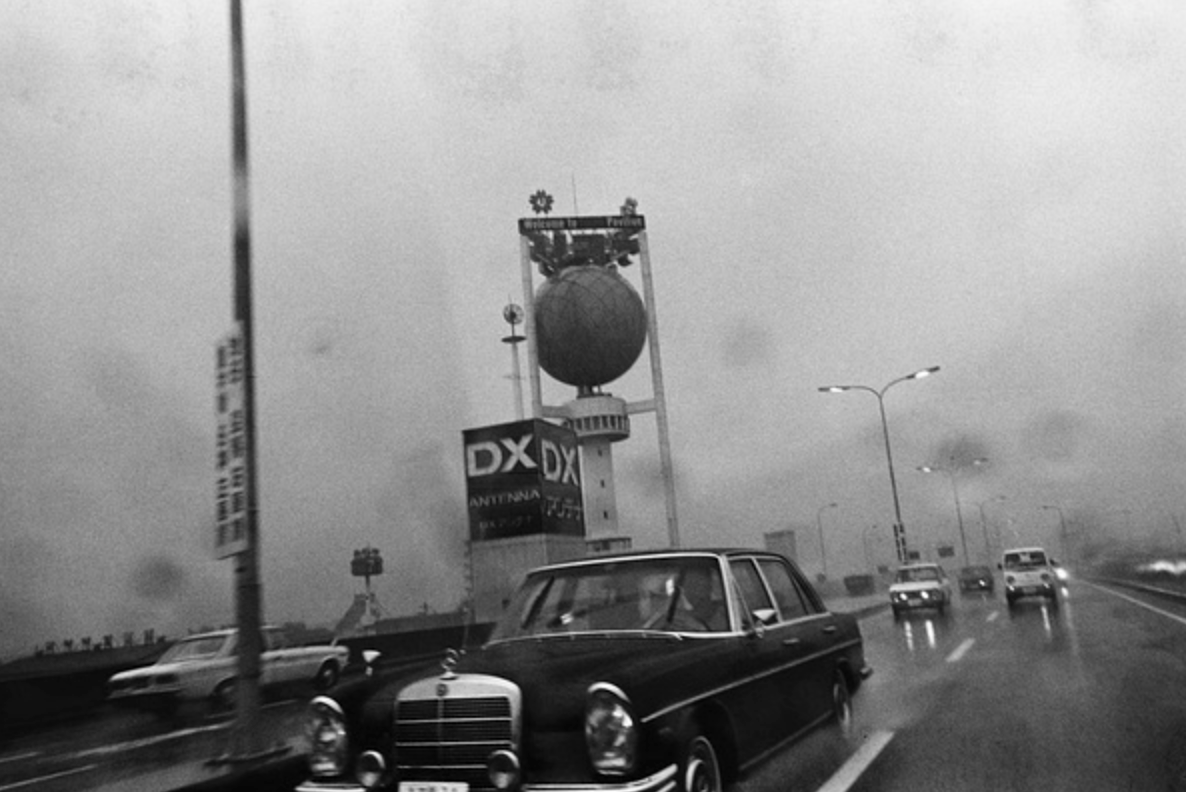
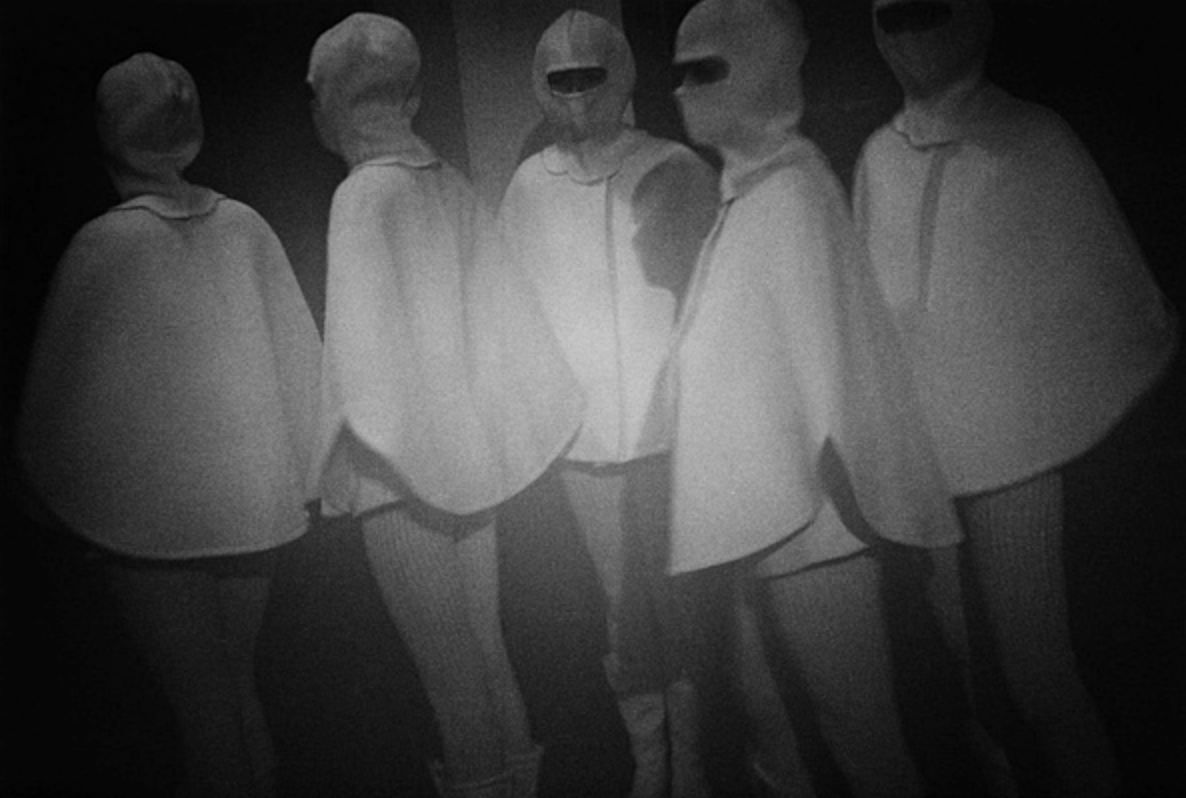
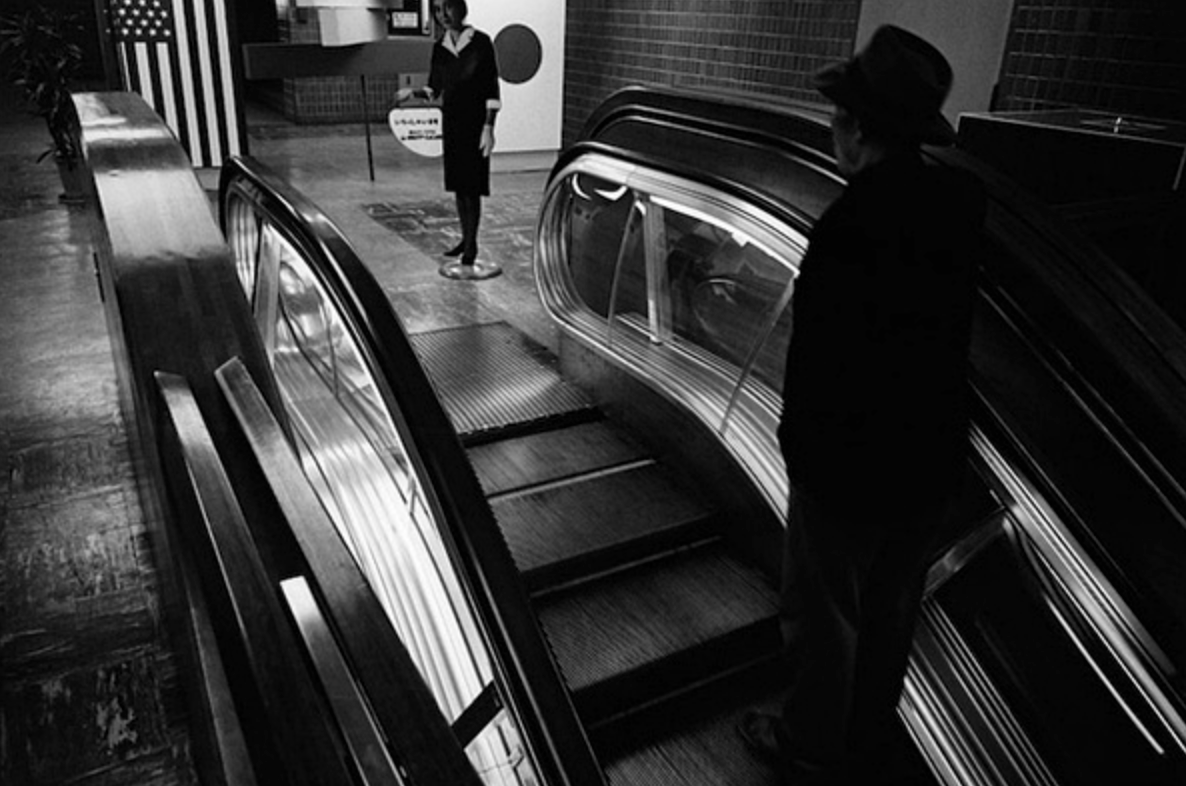
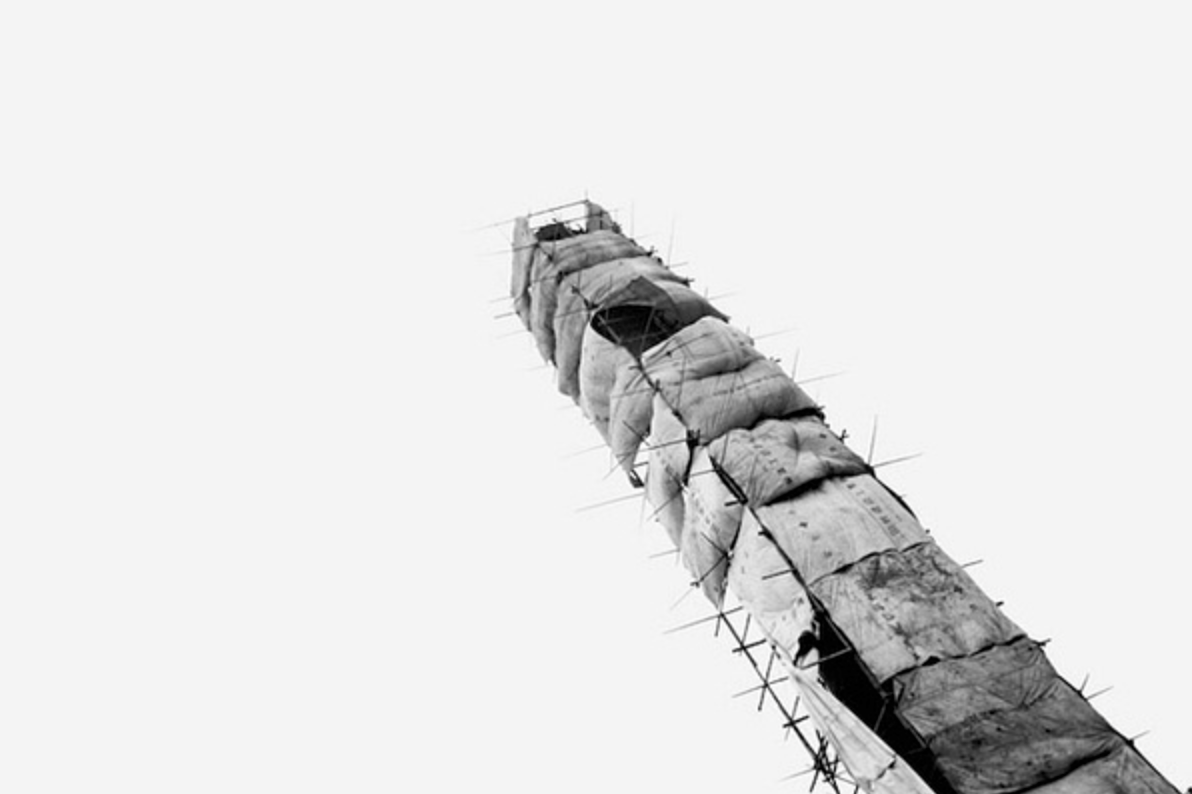
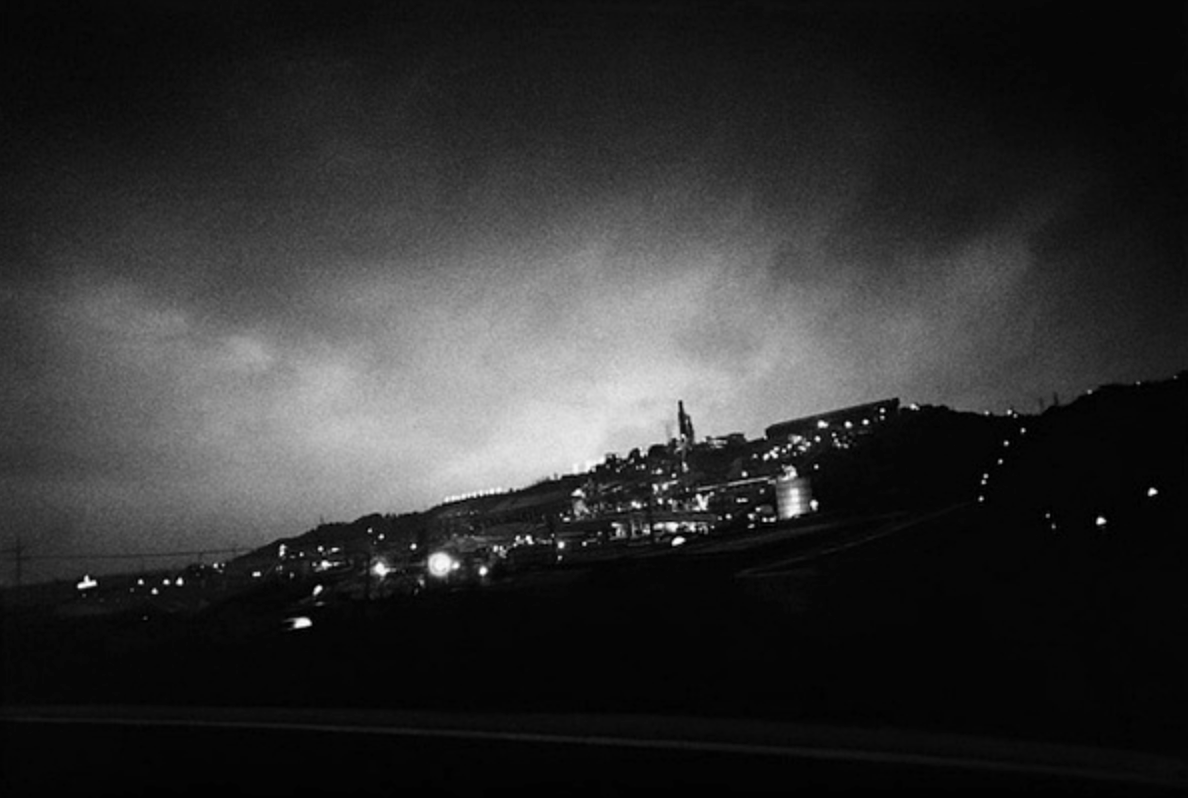
Yet Takanashi, who had received formal training, still sought a degree of order and meaning in certain respects. He might depart from convention in some areas, but he continued to believe that other aspects had to remain “proper” and return to some kind of “language” and “meaning.” From this perspective, this may be the difference between Yutaka Takanashi and Daidō Moriyama.
03 — CONPORA
The question of the times also seems to carry meaning and affect photography. The Depression in the United States and social movements in Japan during the previous century, for example, changed certain ways of observing and acting through photography. Photographers such as Yutaka Takanashi, Takuma Nakahira, and Daidō Moriyama found new inspiration in these circumstances. They incorporated it into their own language and developed different photographic methods.
What is known as CONPORA photography has five “visible characteristics.”
The first is horizontal composition. A vertical composition gives excessive structural meaning to the relationship between top and bottom, making the photographer’s intention easy to recognize. It shows too directly how the photographer wants to divide the world. The work then approaches sadaejuui, or “serving-the-great” thinking—a strategy in which a smaller country serves a stronger one to preserve itself, which can also mean exaggerating minor details while neglecting the whole. The result becomes overly simple.
The second is work that does not depend on the aesthetics of composition. This avoids the formalized kind of “composition” discussed today: level horizons, rigidly aligned grid-like buildings, suitably placed curves, and the doctrine of the golden ratio. These conventions prevent the work from escaping assembly-line repetition.
The third is not using too many techniques. This includes the photography of Alex Webb or work based on “waiting for the best moment.” Such photography can be overly objective and calm, creating a strong sense of separation. I am not saying here that one approach is right and another is wrong. I only want to emphasize again that CONPORA photography proposes something “plain and direct.”
The fourth point is that most subjects are “ordinary things that we sometimes see around us.” CONPORA holds that the things around us are important because they represent “the range of our lives.” Photographing subjects removed from one’s immediate surroundings produces distance and division. This division comes from within: it is the sense of alienation created by a lack of unity and harmony between the photographer and the subject.
The final point is that these are “never explanatory photographs.” A beautiful woman does not have to be shown as beautiful, nor must a poor person be shown with many wrinkles, as if every photograph had to be immediately easy to understand. On the contrary, CONPORA treats photography as an activity whose purpose is “to offer no explanatory language and allow the photograph to speak for itself.”
04 — Everyday Photography
What CONPORA photography may allow us to consider today is that, besides making photographs that are overly “proper” or “serious,” everyday CONPORA photography can also be an option. This may be particularly relevant given the explosion of smartphone images and the emergence and development of AI—for example, adding a moon in Photoshop.
Something similar happened in the United States and Japan several decades ago. As the times changed and a rapidly rising economy cooled, people, including photographers themselves, experienced uncertainty, anxiety, and frustration. This frustration led them to think more calmly about what an image expresses. Is it technical skill? Fine detail, blur, composition, or coincidence?
Perhaps, after reaching a certain point, we will all become tired of these things and begin to reflect. When our inner state changes, everyday life itself changes, and so do our ideas of what is serious and what is not. If we look back on this change after several decades, what has truly remained may be the reality selected by the times.
Of course, if we continue to imitate CONPORA photography, we will simply fall into another form of imitation. Establishing a “language” and a “system” is therefore also very important.