
Deconstructionist “Misreading”
I have recently been reading a book titled A Theoretical Study of Deconstructionist Misreading. Many of its ideas overlap with current discussions of photography, and it has given me several new ways of thinking.
Our discussions sometimes reach a dead end. We look down on the “old masters” for their reliance on “techniques” such as background blur and sharpness, yet we lack an independent system and set of values of our own. As a result, it is easy to enter supposedly “philosophical” discussions of photography that are not really philosophy. Many modern ideas, such as “everyone is an artist” and “anything, including an action, can be art,” also provide us with a great deal of apparently self-evident “evidence.” Yet besides being partial, this evidence seems difficult to challenge with sufficiently “legitimate” theory. I have thought about this problem for a long time. Apart from ending the discussion or entering competitions to prove that “none of you is as right as I am,” I could find no better theoretical response.
A Theoretical Study of Deconstructionist Misreading gave me considerable inspiration. Although it mainly concerns literature, I believe its ideas also apply to photography.
01 — Correct Reading
In literary works and even painting more than a century ago, people placed great emphasis on “correct reading.” What does this mean? I understand it as a “proper” interpretation of an artwork, a literary work, or a contemporary photographic image, opposed to “misreading.” Put simply, it requires understanding the creator’s intention. Consider, for example, the two jujube trees in Lu Xun’s writing. To read these two trees “correctly,” we would need to understand the period in which Lu Xun lived, his way of thinking, and his habits. Only through this theoretical research could we determine what the two trees were actually intended to express.
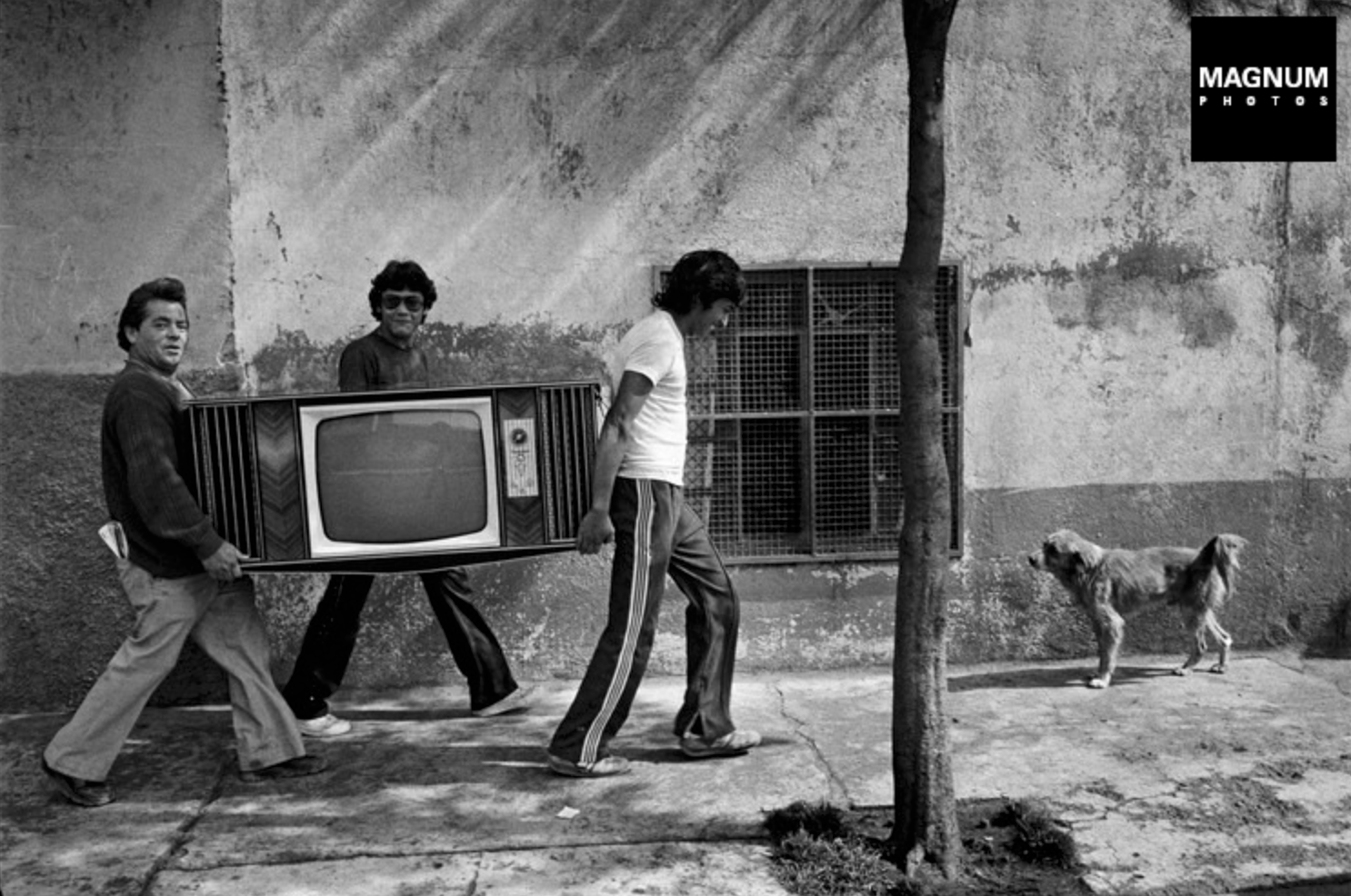
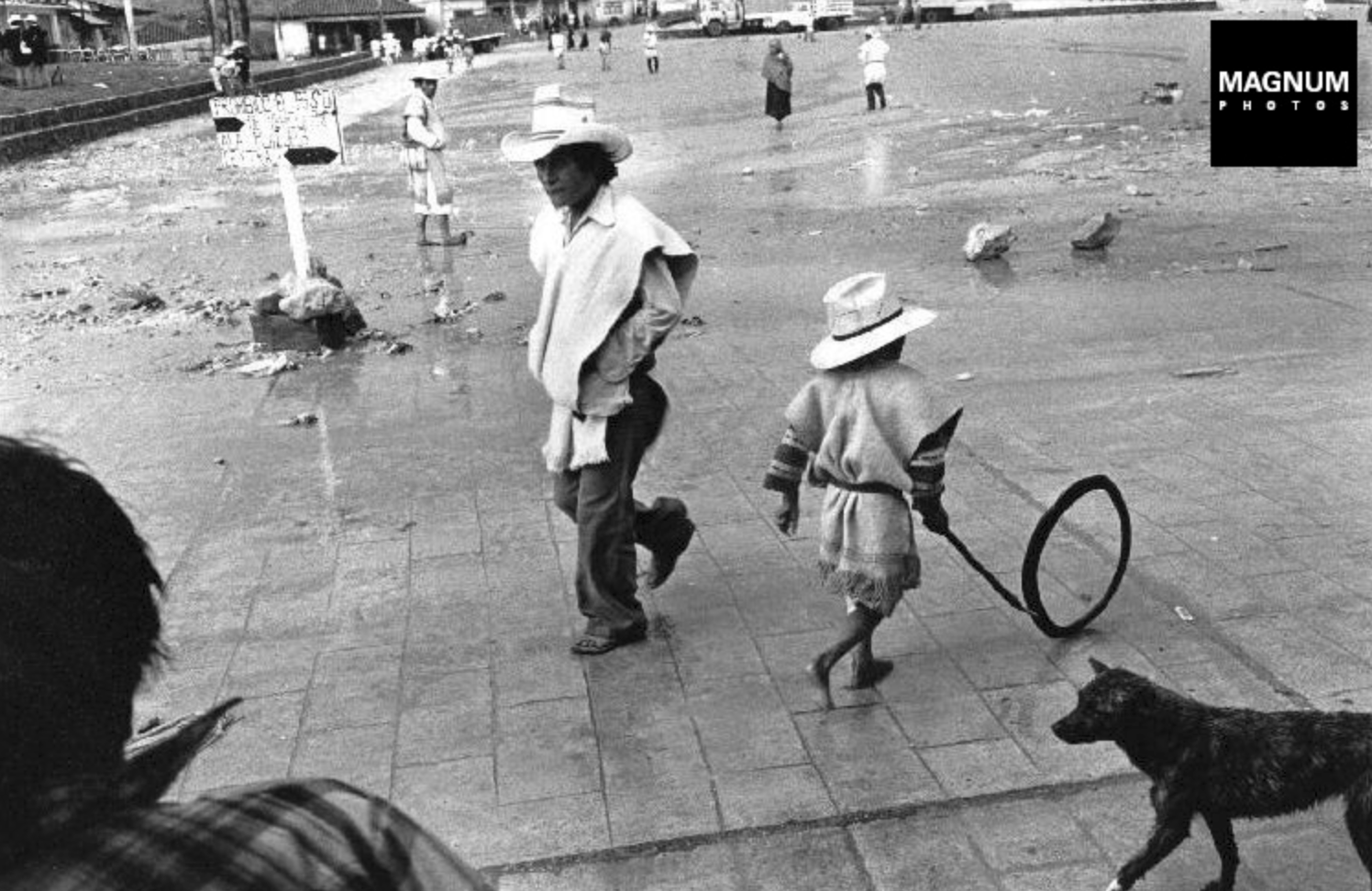
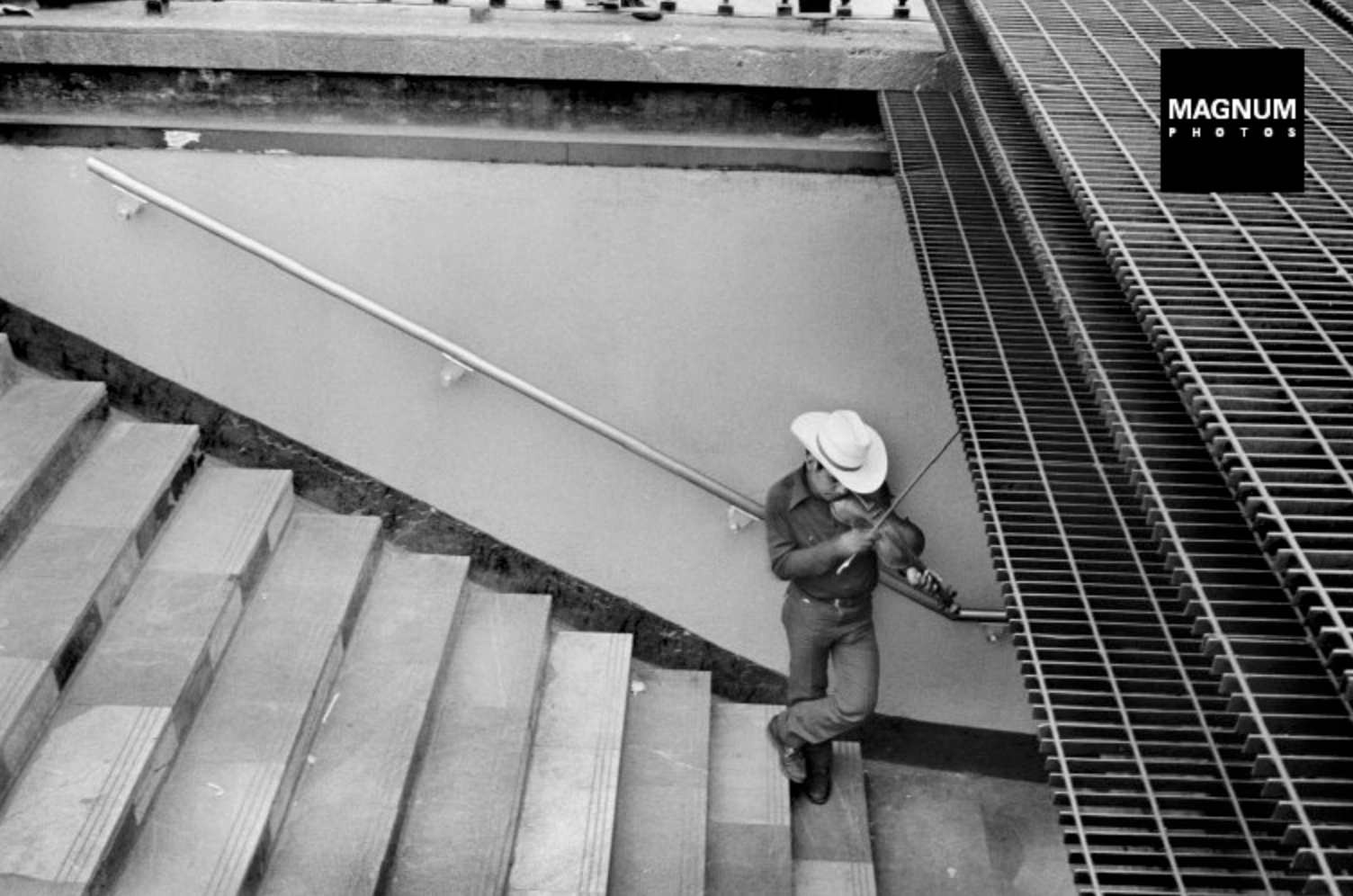
(How would you interpret the works above?)
For this reason, readers receiving a work had to trace, research, and grasp the author’s intention before they could correctly understand its meaning. Under this model, authorial intention occupied an absolutely dominant position within the entire system of the work. This also produced the idea that a work possessed a particular “meaning,” whose value required objective standards. These might include the structure of writing or painting: perhaps conflict in a novel had to appear one-third of the way through, or a painting had to contain a sense of the divine before it could be considered a good work. Today, these requirements seem overly doctrinal. Yet formal rules of this kind helped art and literary critics of the time evaluate and score works more easily.
In photography today, people also seem concerned with how to interpret the meaning behind a work. If someone understands a photographic image differently from its creator, they can easily be mocked for “not understanding photography” or “not understanding the work.” Seen this way, correct reading still appears more prevalent in contemporary photography.
02 — Misreading
Another group believes that the interpretation of a photograph should belong to its readers or viewers. Once the creator has made the work, its subsequent interpretation is no longer under the creator’s control. In simple terms, the contrast between “misreading” and “correct reading” can be understood as the collapse of authorial authority.
The French structuralist theorist Roland Barthes was also a foundational figure in deconstructionist criticism. His idea of “the death of the author” dissolved the authority of authorial intention and advocated the “writerly text.” This can be understood as the beginning of the idea of “misreading.” Deconstructionist literary critics of the American Yale School proposed that “all reading is misreading,” declaring traditional “correct reading” impossible and “misreading” absolute. From this point, the deconstructionist theory of misreading developed fully.
— A Theoretical Study of Deconstructionist Misreading
In Barthes’s view, “the author is dead.” Regardless of the historical circumstances or emotional state in which a writer or artist produced a work, once that work truly enters the viewer’s field of vision, its interpretation is no longer connected to the creator. Viewers have the autonomy to interpret, analyze, reconstruct, and integrate it. Other artists may even reconstruct an existing artwork to create a new work.

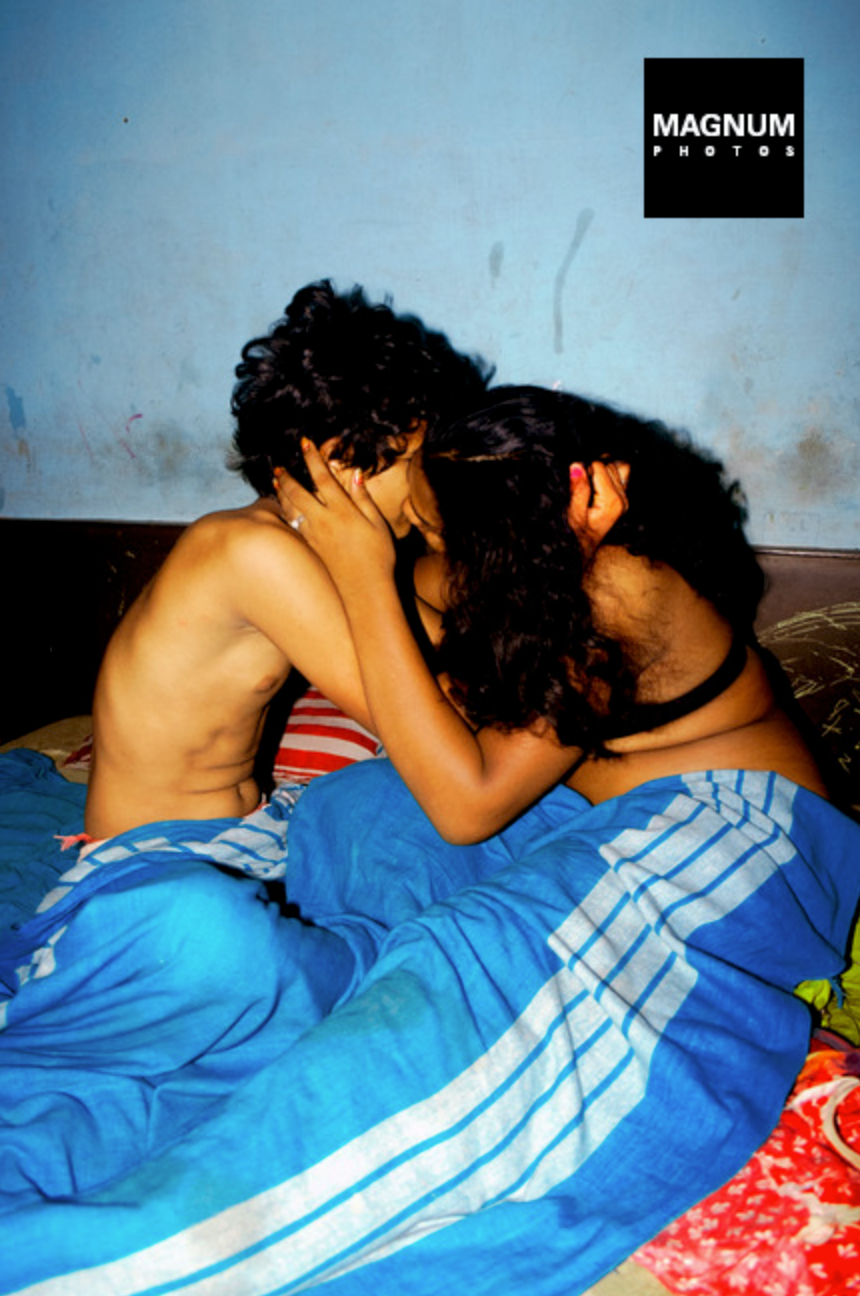
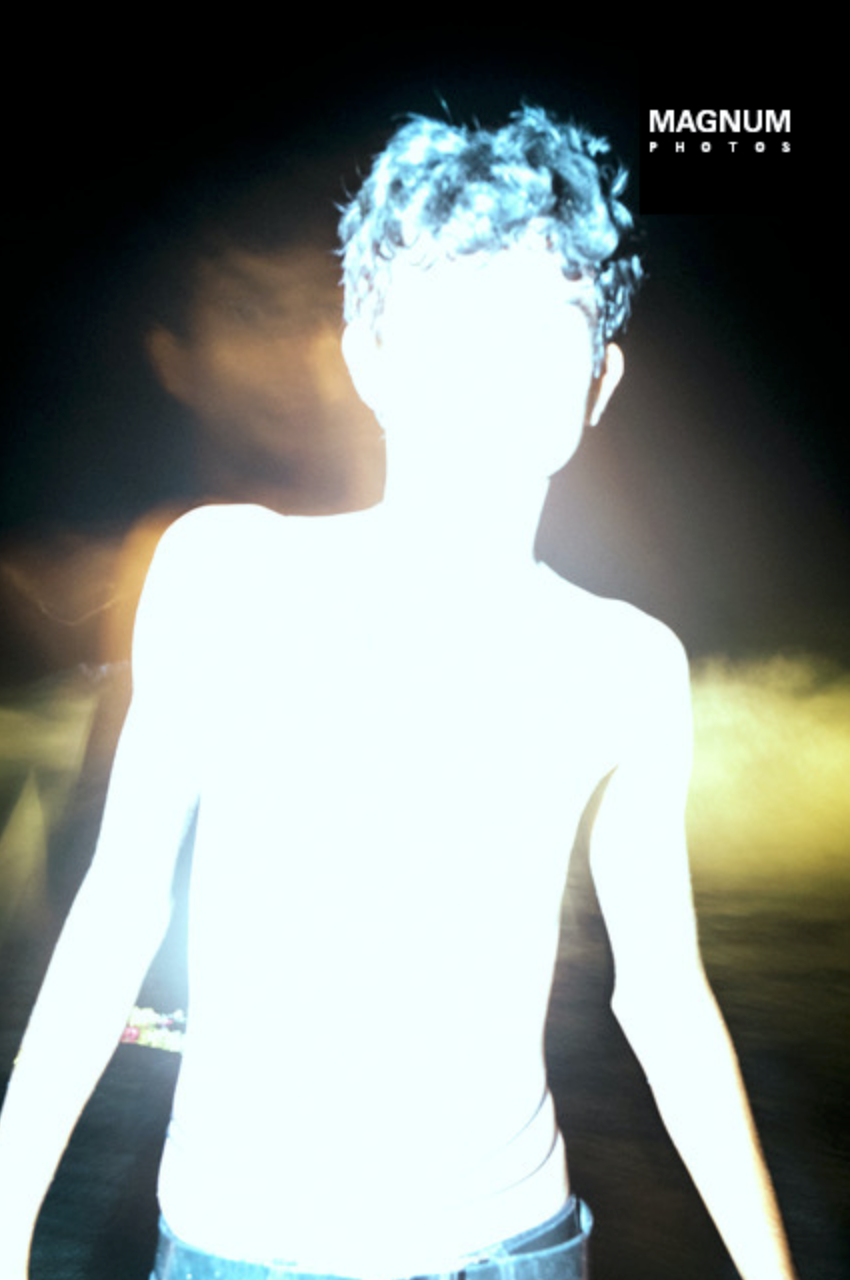
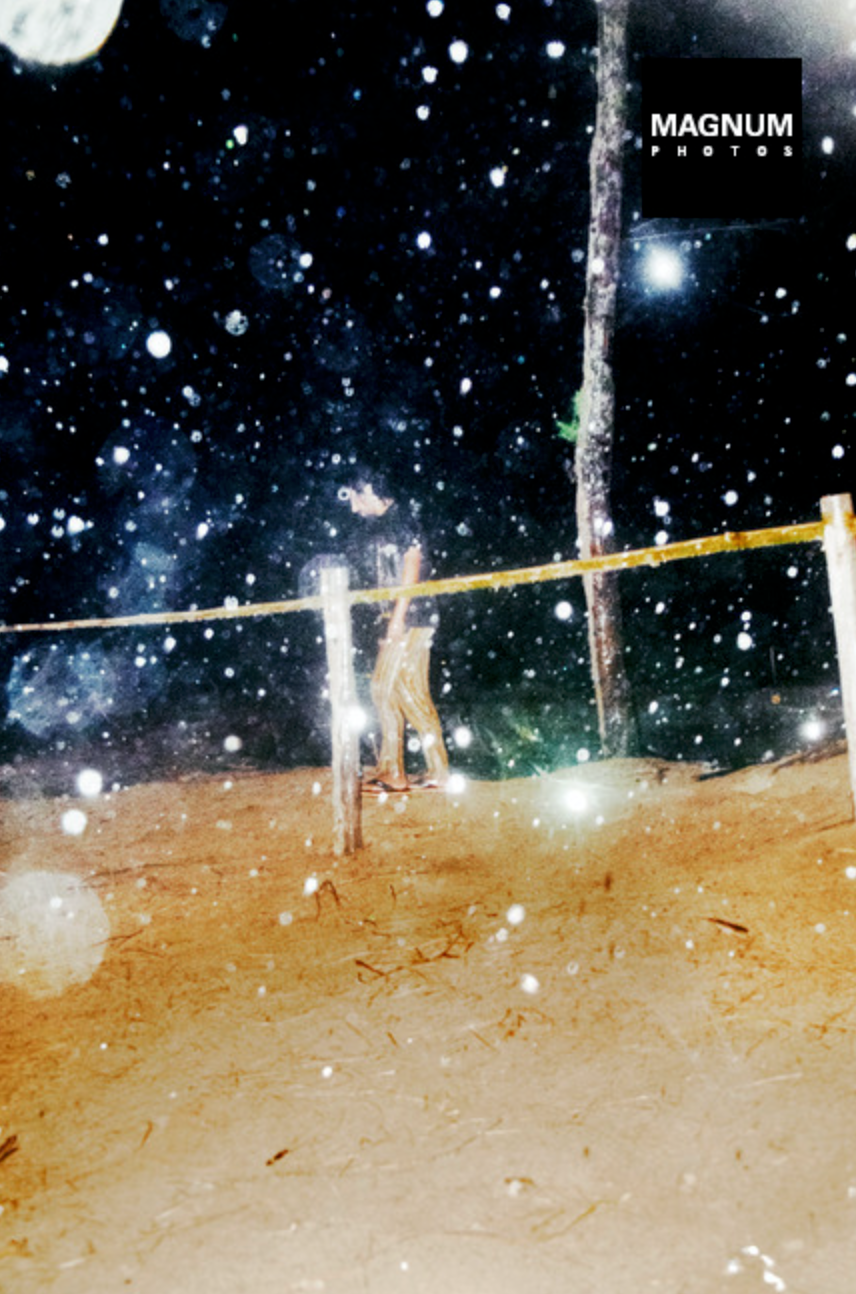
(And how would you interpret the works above?)
But if we stop at the idea that viewers possess authority and may interpret a work however they wish, we enter another extreme. In deconstructionist criticism, author-centered, reader-centered, and text-centered approaches are all dissolved. The meaning of art cannot be exhausted by authorial intention or the reader’s experience, nor can it be enclosed within a particular artistic form. What deconstruction repeatedly emphasizes is instead “uncertainty.”
In other words, “uncertainty” is the key. The central question is not whether our interpretation is a “correct reading” or a “misreading.” Deconstruction holds that art is indeterminate and that no object or form can confine its meaning. Neither the creator nor the reader can uncover that meaning completely. From this perspective, deconstruction has broadened the ways in which people understand the world.
03 — Two Jujube Trees
Returning to the question of the two jujube trees helps clarify the relationship between correct reading and misreading. Correct reading is represented by the question we might have to answer in a language textbook: “What central idea do Lu Xun’s two jujube trees express?” Today, such a question can seem slightly ridiculous. There have even been cases in which an author’s writing appeared in an examination and the author later said, “I was not actually expressing anything.” This brings the author closer to online readers while resisting the imposed interpretation. Yet while laughing, we should perhaps ask whether such a “misreading” is necessarily wrong.
Language no longer presents a clear and definite structure. It is an infinitely spreading web in which signifiers continually exchange positions, without beginning or end. Meaning continues to emerge through uncertainty. There is no final boundary and no fixed way of reading; all reading is “misreading.”
— A Theoretical Study of Deconstructionist Misreading
Seen this way, “misreading” becomes a kind of correctness. Thought is handed to the reader. Because authors cannot exhaust their own artistic expression, readers may assume part of the interpretive task. Whether readers use a positive method—a “correct reading,” though they can never fully return to the creator’s environment, emotions, and thoughts—or use their own experience to “misread,” the legitimacy of both must be acknowledged. From this perspective, the author’s own explanation can begin to seem like an attempt to conceal something that only draws more attention to it.
How, then, should the two jujube trees be interpreted? Understanding them through the historical context of Lu Xun is “correct.” Reflecting on them through one’s own life experience is also “correct.” But “correctness” may be the least important part of interpretation.
04 — The Basis of “Misreading”
There is an online joke today: “A playful retelling is not nonsense, and adaptation is not reckless invention.” It has produced plenty of laughter, but on reflection it may not be entirely wrong. We have discussed how “misreading” is not necessarily a problem, because “correctness” may not exist in art in the first place. But does that mean we may interpret anything however we wish, guided only by our feelings?
I continue to believe that interpretation requires a certain foundation. To interpret works of art, we need some understanding of art history. To understand a particular artwork or the work of a particular artist, we also need some knowledge of the artist and the art market.
The same is true of photography. I believe that interpretation still requires a basic understanding of the medium. Without it, interpretation often remains superficial and eventually wanders into a vague form of “philosophy” resembling the question, “You are not a fish, so how can you know what a fish enjoys?” Someone sees a photographed flower, praises its beauty and truth, and concludes that it expresses humanity’s optimistic outlook. This feels forced. It resembles listening to music and evaluating it entirely through subjective impressions—whether it sounds pleasant, immediately appealing, stimulating, or has some overwhelming “nuclear” force. Such a response seems somewhat irresponsible both to the creator and to the music itself.
The motivation behind misreading is also important. A genuine wish to explore what an artwork expresses matters more than claiming, “Only I understand; none of you do.” If the purpose is merely to appear sophisticated, the basis for that “misreading” disappears.
Therefore, although “misreading” is recognized within literary and art criticism, it still has a threshold. At the same time, the positive side is that viewers today may undertake either a “correct reading” or a “misreading,” because all reading is “misreading.”