
HOW I LEARN - Learning to See with Martin Parr
Martin Parr’s photography does not try to prescribe what a conventionally good photograph should be. Instead, it reminds us that observation can be humorous, that projects require selection, and that photography need not be confined to cameras or traditional forms. Beginning with The Last Workshop, this essay gathers what I learned from his critiques, creative practice, and curiosity.
Magnum recently released Martin Parr: The Last Workshop, a new lesson that felt rather like downloadable bonus content and may also have been intended to promote its in-person workshops. I initially thought it was a completely new course, but later discovered that it had been added to the first course, The Art of Street Photography. Anyone who had purchased the earlier course could watch it free until December 15, 2019.
Because I may want to run an in-person workshop myself one day, I spent some time examining how Martin Parr conducts one and what makes it interesting. My reaction afterward was simply, “Magnum is still Magnum.” Parr does not tell you what a good photograph is—following rules has little meaning for many photographers—but his personality, his work, and the questions he raises are all compelling.
This essay shares some impressions from Martin Parr: The Last Workshop and uses them as a way to think about Parr himself.
01 - Martin Parr
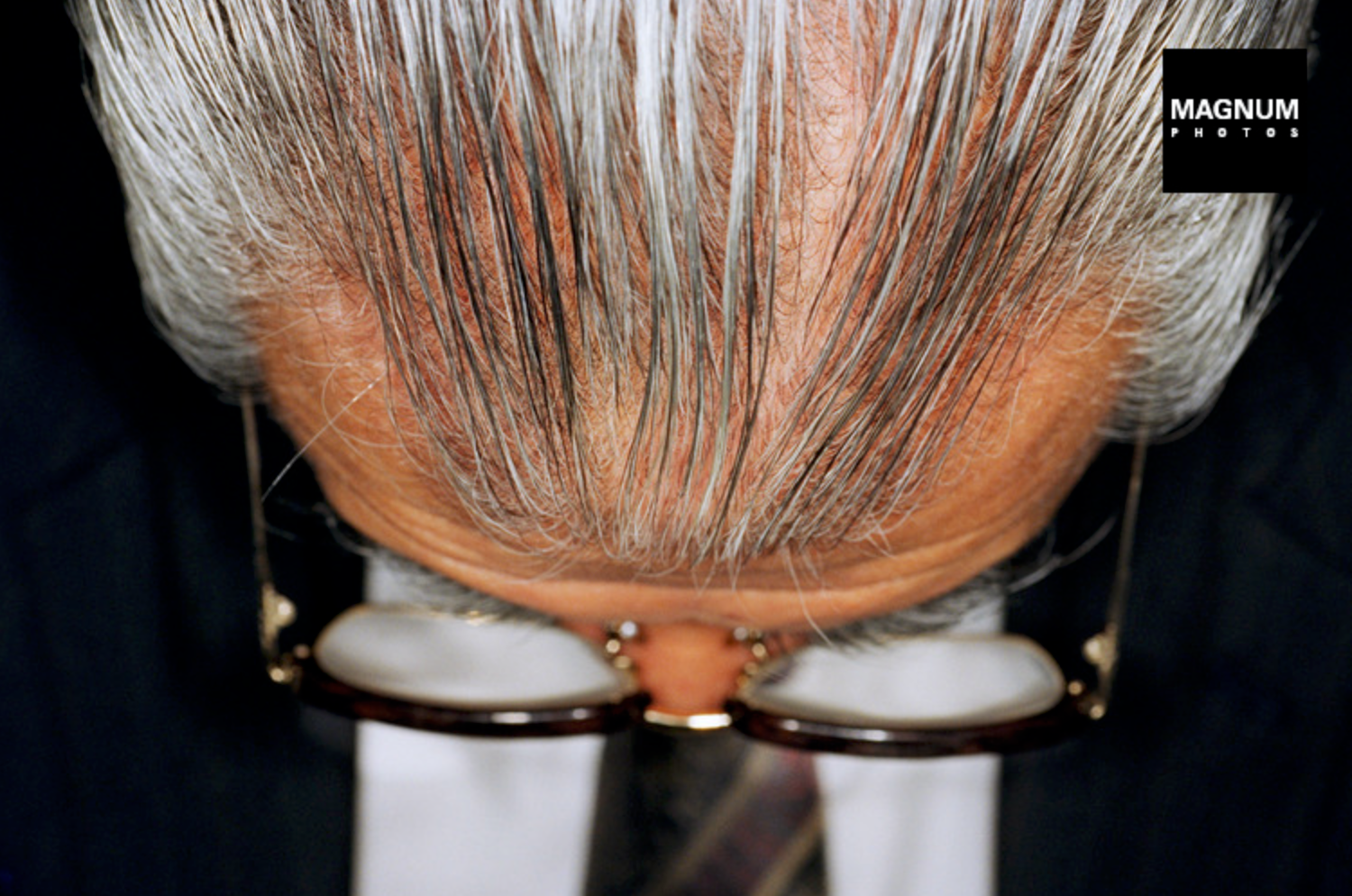
Martin Parr is a controversial photographer and an entertaining outsider. Visiting his website, you may feel that the work has something old-fashioned about it. He also has the humorous energy of an aging prankster. In the course—especially when he puts on a costume head—you can clearly sense his pleasure in play.
His style may seem amusing today, but this humor did not help him much early in his career. When Parr first sought admission to Magnum, many members strongly opposed him and considered his presence a betrayal of the agency.
Martin Parr does not embody the Magnum spirit. He has none of the humanitarian engagement with society expected of a Magnum photographer. Accepting him would not simply add another member; it would admit a sworn enemy. Our vote decides how we understand and position ourselves. His membership would not increase our diversity but violate the very spirit that gave Magnum its standing.
The statement reveals how strongly Magnum favored war photography and humanitarian expression at the time. Within the agency, color had also long been treated as something outside “serious photography.” Color later proved capable of carrying serious work, but Parr’s pictures then possessed an unmistakably “un-Magnum” character.
Others, however, asked whether serious photography must always concern suffering and war. Could humor distilled from everyday life not also be photography? From today’s perspective, such work can be just as alive.
In my reading, Parr’s photographs contain many subtle forms of humor. Sometimes they are sharp, and sometimes simply funny. This is not comedy that presents an obvious joke. It allows us to see the photographer’s observation and his understanding of the world.
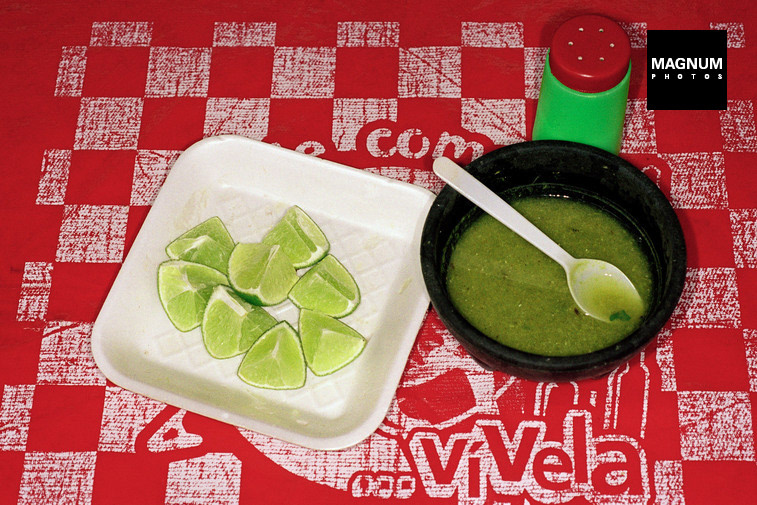

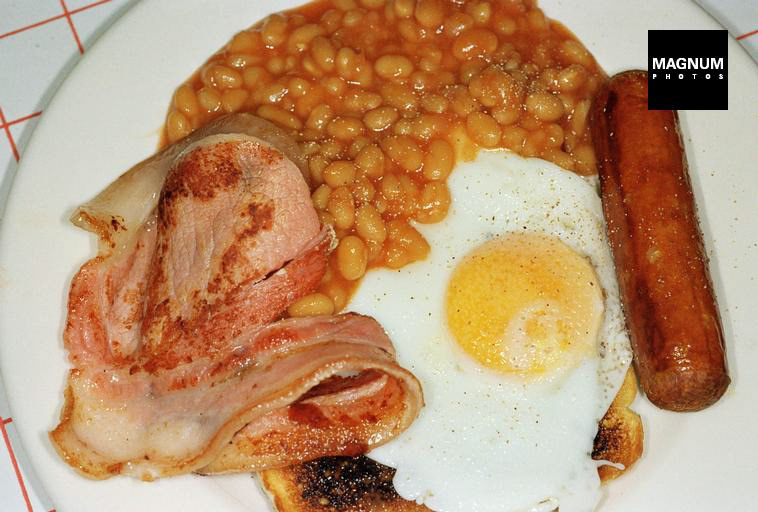

Parr finds intriguing pictures in ordinary life and extracts dramatic details that contain hidden comic surprises. The breakfast at lower left above resembles a cross-section of a human brain. Its mixture of foods forms an observation that is inexplicable and yet funny.
Some viewers may be reminded of the Chinese photographer Liu Tao, but I think their observations are quite different. Liu Tao’s pictures are closer to comic sketches rooted in distinctly Chinese experience. Parr’s humor feels more British: “I understand what is happening, but I will not say it aloud. I want to see whether you notice.” This leaves more in the image for the viewer to discover.
In an essay on photographic clichés, Parr wrote:
Fine art and documentary photographers take great pride in thinking themselves superior to other major genres of photography, such as family snapshots or the work of amateur photographers represented by camera clubs. However, after thirty or forty years of looking at our work, I have concluded that we, too, are fairly predictable in what we photograph.
I think this neatly summarizes Parr’s photographic values.
02 - The Last Workshop
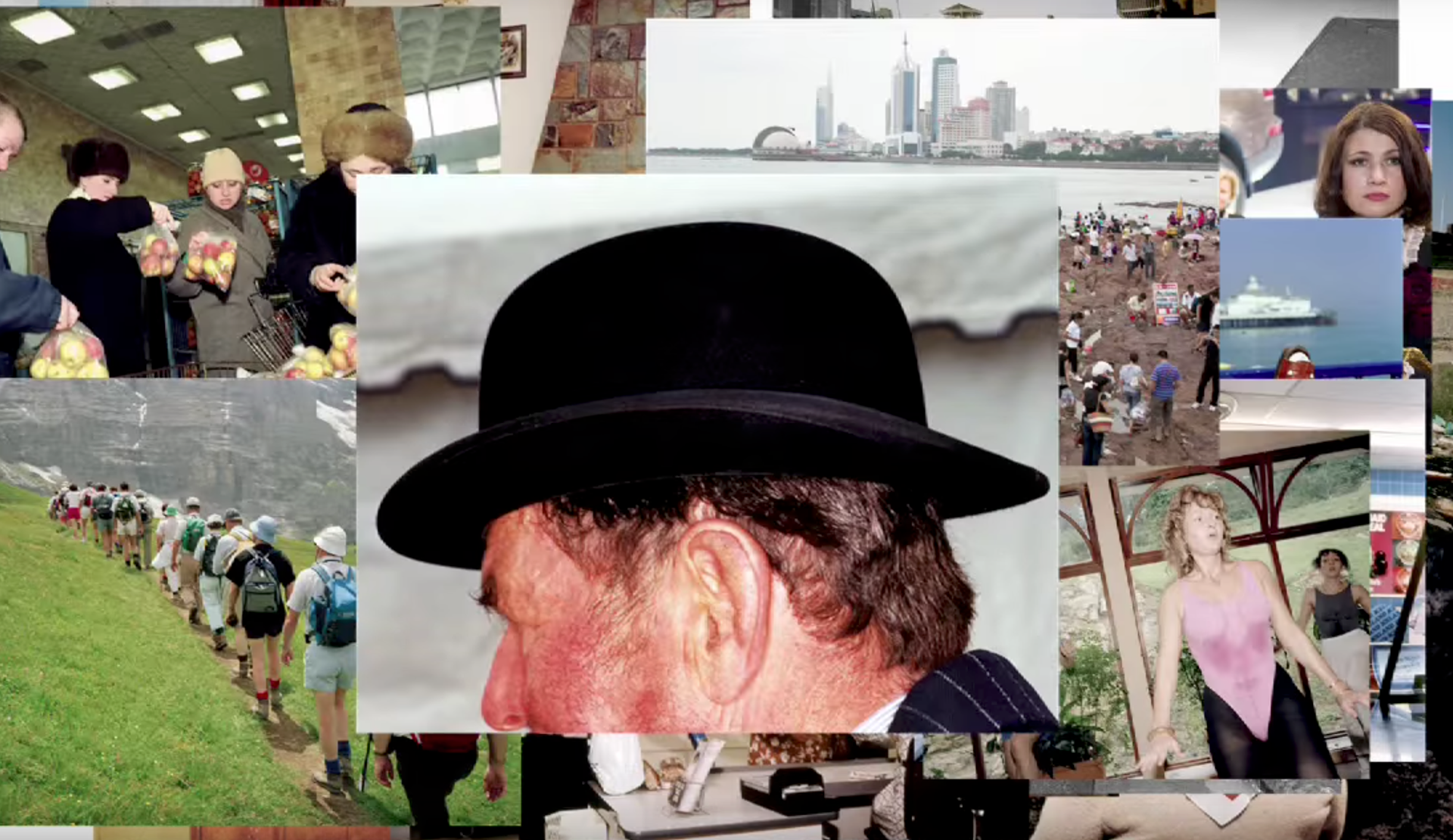
I began with Parr himself so that we would have a basic understanding of his character and style before discussing the course. More of his work can be found on his website.
At the start of the workshop, participants introduced either a single image or a project. Most presentations were small projects made up of several photographs. Because these were the participants’ personal pictures, I will not reproduce all of them here, but several useful lessons can be drawn from the critiques.
Pay Attention to the Key Element
When making a photograph, you need to identify its key element. If you are photographing a person, that person should be clearly expressed. Make sure people in the background do not interfere with the main subject—for example, that someone’s foot does not appear to be stepping on the subject’s head.
In a crowd, shallow depth of field can separate the subject. The point is not to create blur for its own sake, but to use it as a specific method in service of expression.
You should also watch the edges of the frame. Especially in crowds, people entering or leaving at the edge can change the image. Both while composing and selecting photographs, pay attention to peripheral objects and figures.
Do Not Try to Do Too Much; Select Fewer Photographs
One participant covered an entire table with carefully sequenced photographs. Parr felt that so many pictures made it easy to overlook what the photographer actually wanted to say.
Sometimes a photograph is included because it is beautiful on its own, yet it feels out of place within the project. A large number of pictures can also reveal uncertainty and loss of direction. During editing, do not cling to every frame. Learn to discard pictures that are not quite good enough or do not serve the subject, and retain only those that truly communicate it.
Do Not Stay Too Far Away
People who have followed IMW and my work know that I like photographing people and speaking with them. I believe communication is a basic skill for both street and documentary photographers.
Looking at one participant’s picture of a homeless person, Parr said, “I can smell your fear in this photograph.” The image had clearly been made with a long lens from far away and felt hurried, as though the photographer had taken it and immediately fled. The fear was present in the picture itself.
Photographers need to face fear.
Make More “Rubbish”
Unlike many photographers, Parr is extremely prolific. He photographs everything, to the point that some people describe the approach as collecting rubbish. Parr sees nothing wrong with it. He believes too many photographers hesitate so much that they miss good moments.
Making many useless pictures is normal. Parr encourages photographers to produce more “rubbish” and train their observation, without carrying the psychological burden created by what others call the practice.
Even Parr considers most of what he photographs rubbish, although many of those images already look good to us. Instead of worrying that others will accuse us of collecting rubbish, we might as well make more good rubbish.
03 - I Am a Fly
After critiquing the individual work, Parr gave the group an assignment titled I Am a Fly.
Before seeing the results, I paused the course and asked myself what I would photograph. At this point, you might also stop and consider how you would express the theme “I am a fly.”
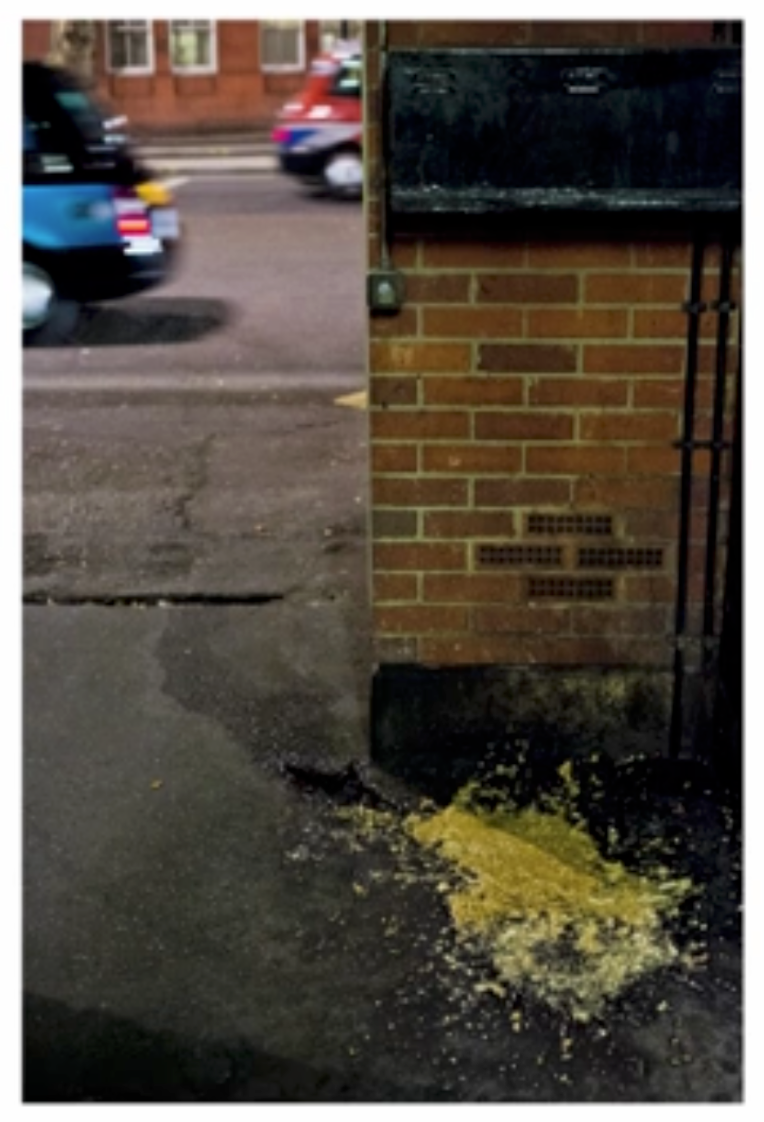
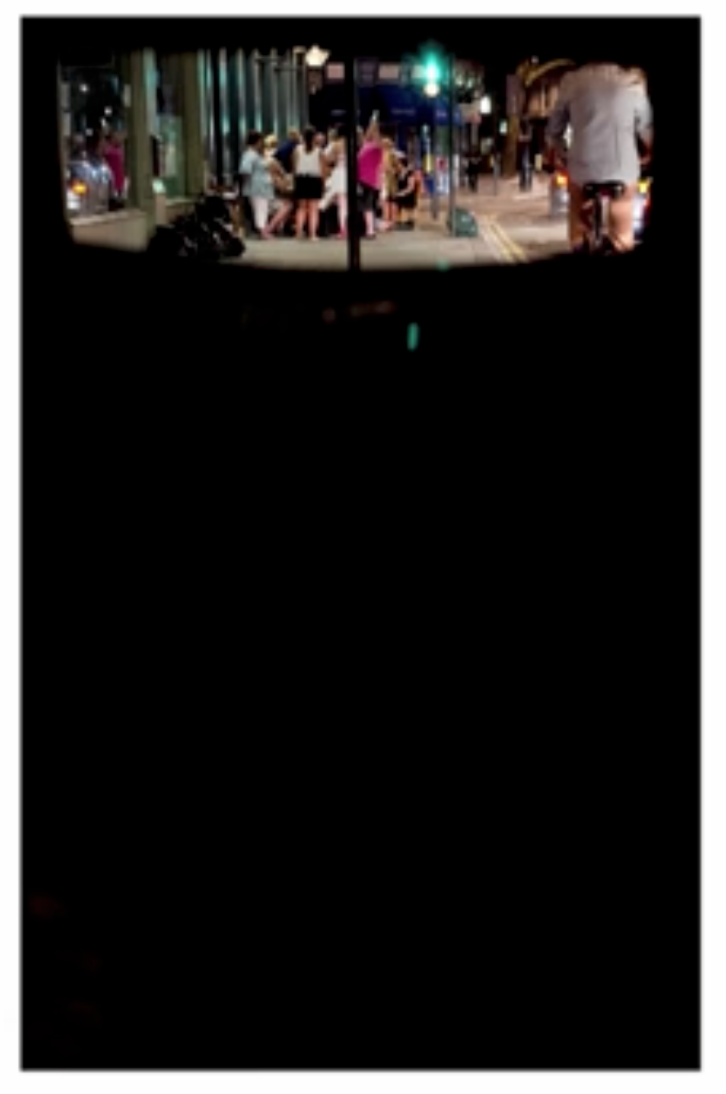
The Obvious Association
One participant photographed vomit; another photographed outward from inside a rubbish bin. In one sense, both meet the assignment’s basic requirement by connecting flies with dirt, decay, or vomit.
This is a very ordinary association. There is nothing inherently wrong with the pictures or the idea, but it lacks invention.
Parr considered the images somewhat disconnected from the real point and lacking in tension. Both frames were too square and orderly, but a fly does not move in such a straight, composed way. They naturally and visibly link flies with filthy objects, yet they do not resemble a fly’s way of seeing.
A Good Photograph, but…
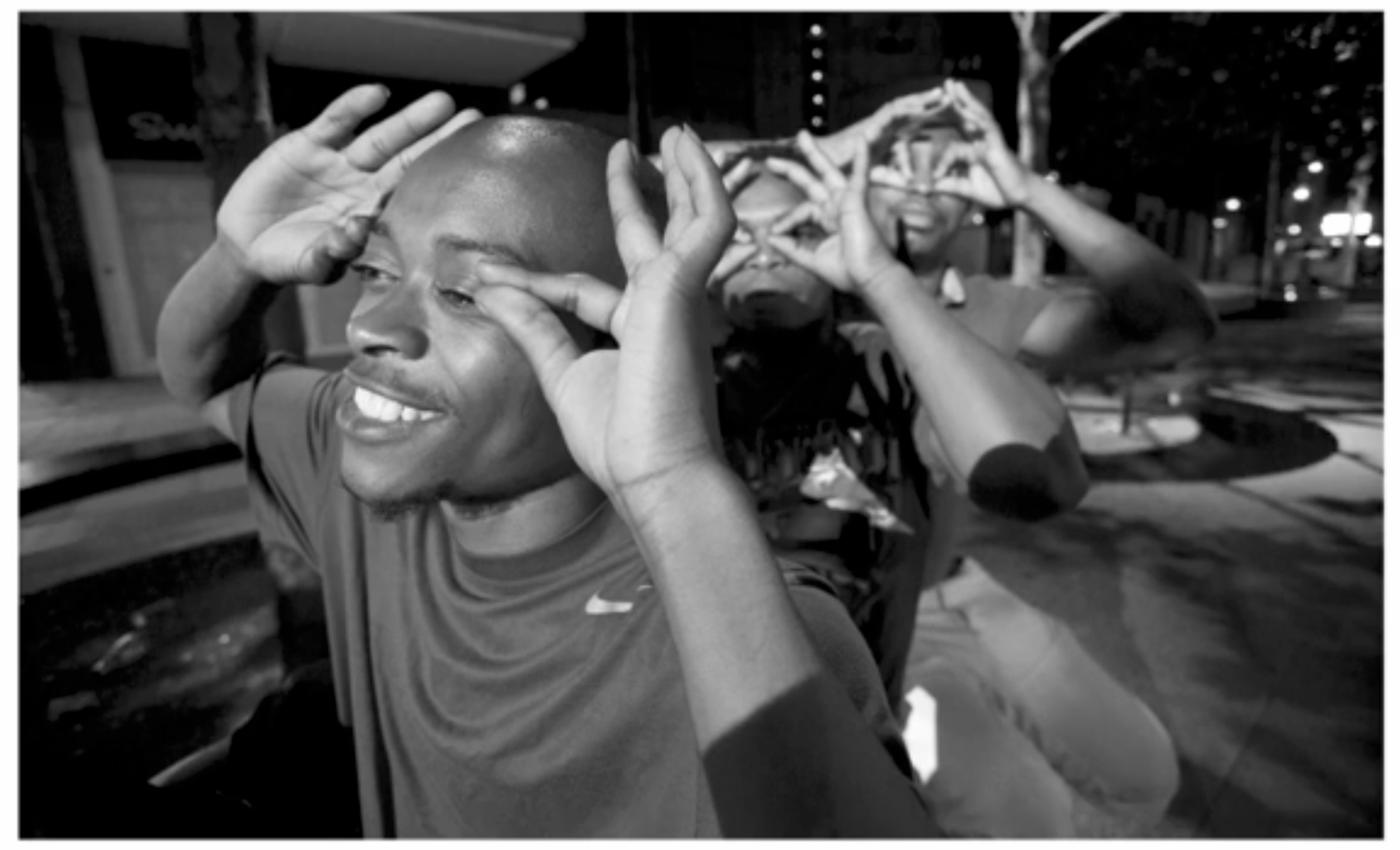
The photograph above is good, but in Parr’s view it has no visible relationship to I Am a Fly. When making a project, the photographs should remain closely connected to its theme.
The participant explained that she met these three people while walking and asked them what they would associate with being a fly. They used their hands to suggest compound eyes, and she made the portrait.
Without this explanation, I would still consider it a good photograph. Yet Parr is right: it does not belong in this project.
This reveals a common problem in editing. We care too much about whether an individual photograph is good and neglect the coherence of the larger group, sometimes even forgetting whether a picture addresses the theme. Photographers easily fall in love with their own images and lose objectivity. We need to keep reminding ourselves of this—or ask a friend to help with the edit.
Images That Answer the Theme
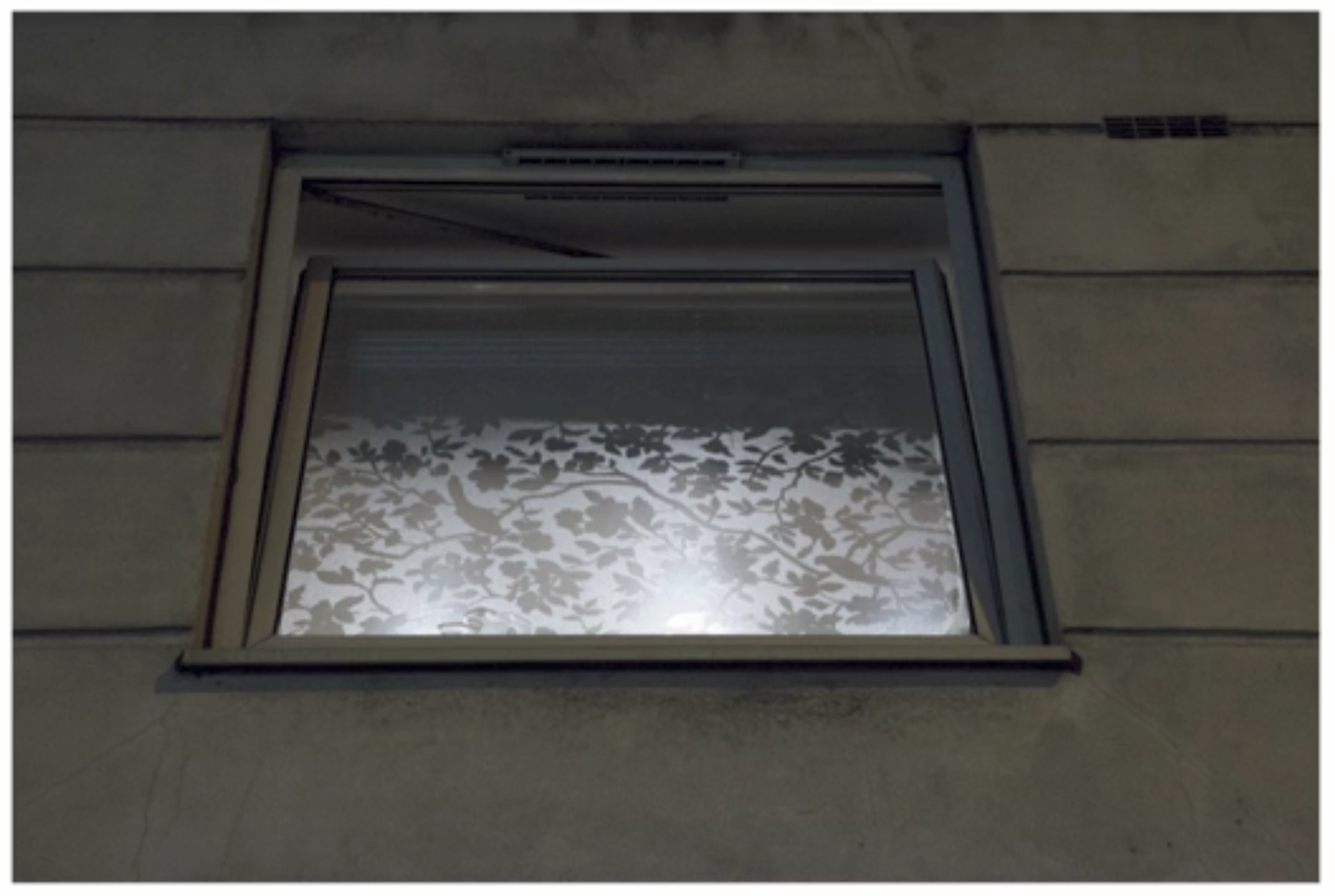
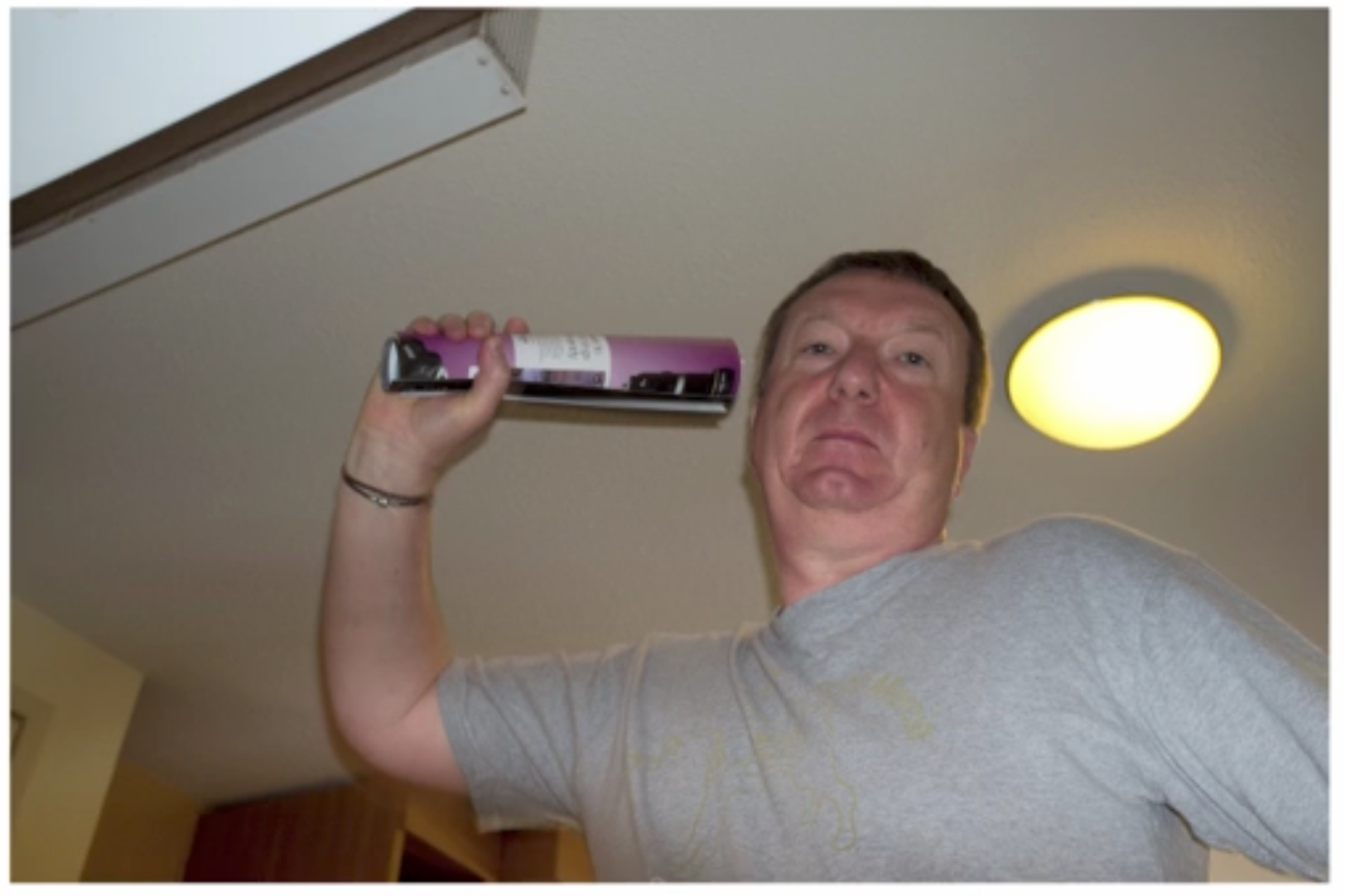
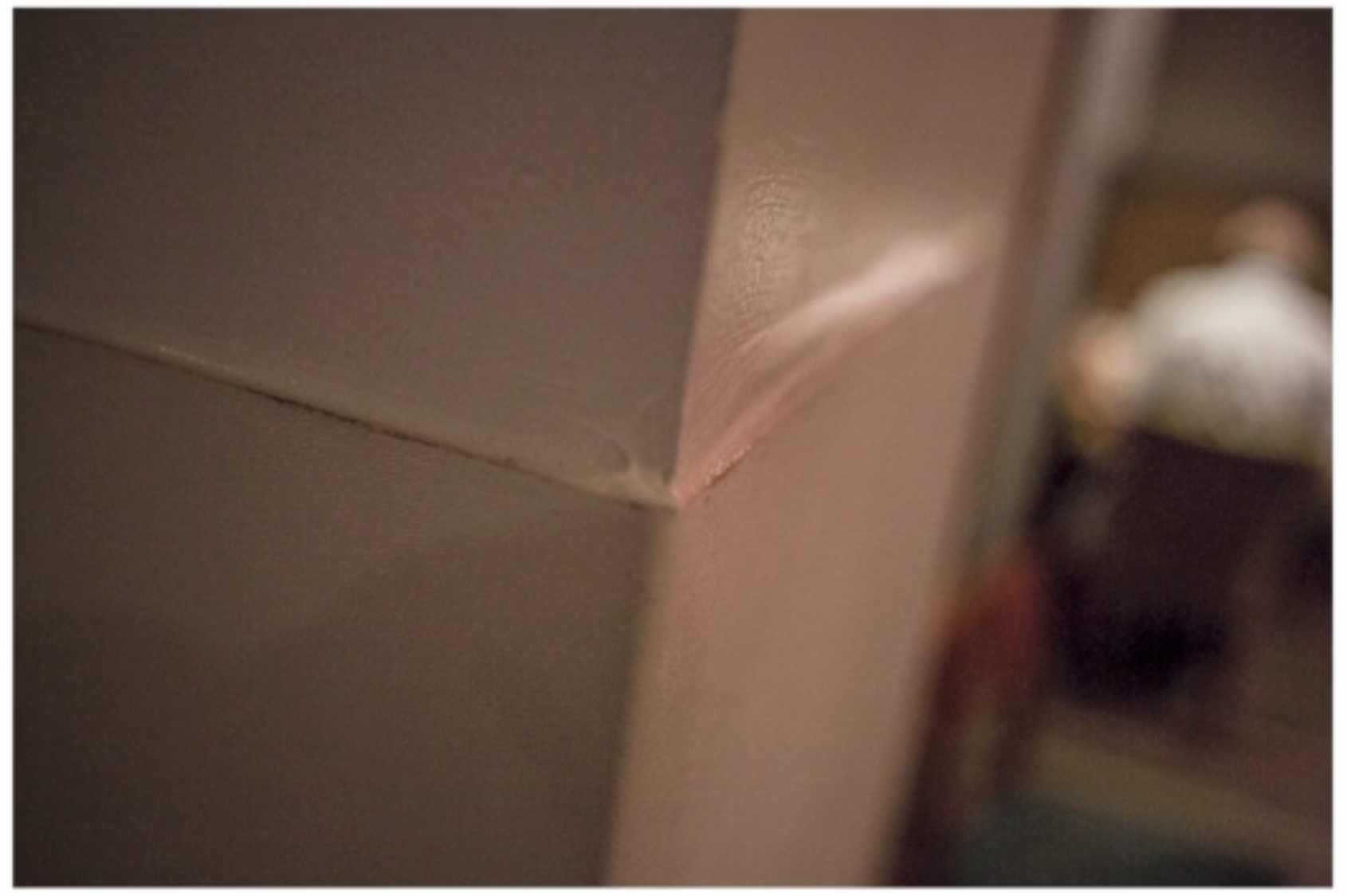
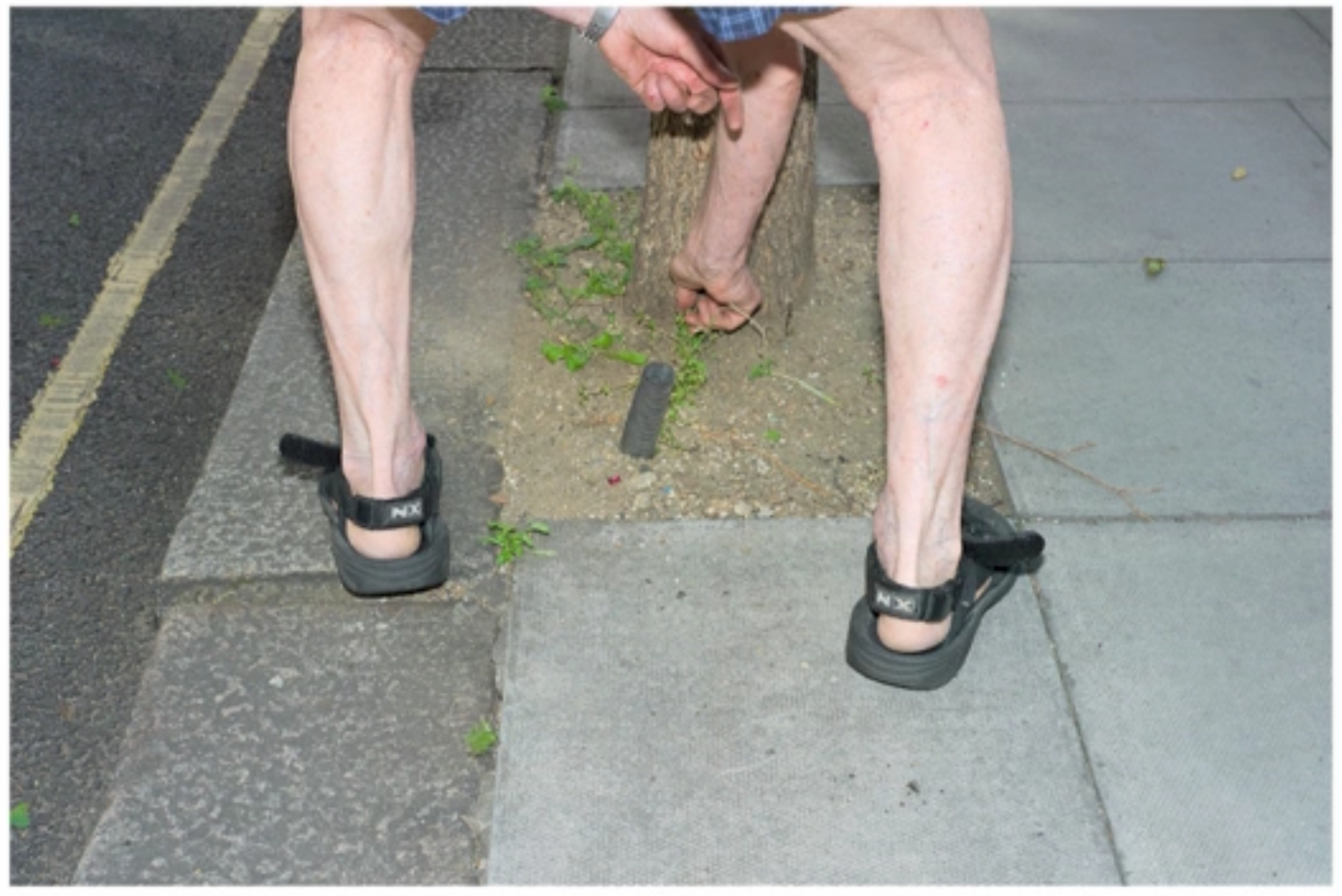
All four pictures engage closely with the subject. If they create a sudden moment of recognition, you can begin to understand Parr’s photographic values: an entertaining and humorous way of observing.
These were not ultimately selected as the workshop’s best responses; the winning work can be seen in the course. Nevertheless, the four photographs allow us to ask several questions:
- What is a good photograph?
- Does a tilted or blurred image necessarily fail?
- Do good structure and color automatically create a good photograph?
- How does a good photograph tell a story?
- What subject are we really photographing?
The critiques made me think deeply and seemed to break through the limits of my existing way of seeing. Had I attended the workshop, I would probably have made something like the first or second example and might even have congratulated myself for producing such a “good” photograph.
The first example represents an obvious association. When photographing a football match, for instance, we may show the physical intensity directly but overlook the spectators’ faces. Those expressions are themselves a mirror of the match’s intensity. By photographing the crowd, we can also represent the game.
This is also why photographers depicting poverty often choose worn hands or wrinkles on a face. Such signs clearly and reliably communicate the theme. The approach is not wrong; it is simply too direct and uncomplicated.
The second example is a mistake I can easily make at my current stage: producing beautiful, “artistic,” visually noisy photographs. A photographer can become absorbed in the work and lose sight of other possibilities. The single image may be good, but its photographic “language” is unclear and has no direction. We imagine we have expressed something profound, when in fact we have used the wrong form to describe an imprecise subject.
Photographers who already possess some technical maturity can easily fall into this trap. After seeing the critique of I Am a Fly, I felt that photographers, as observers, should pay closer attention to whether their methods express the subject accurately and should question themselves often.
04 - Moving Beyond Photography’s Boundaries
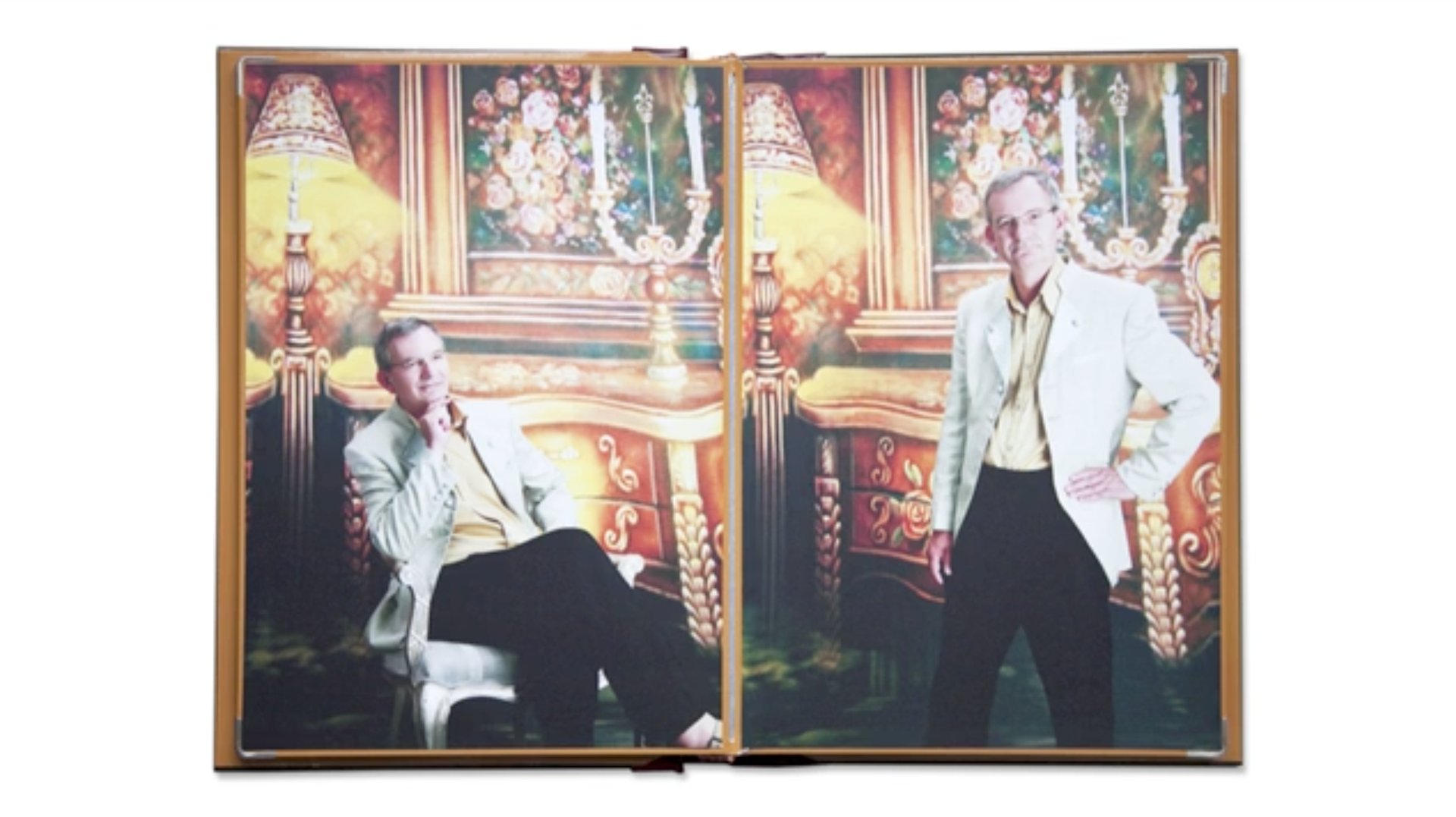
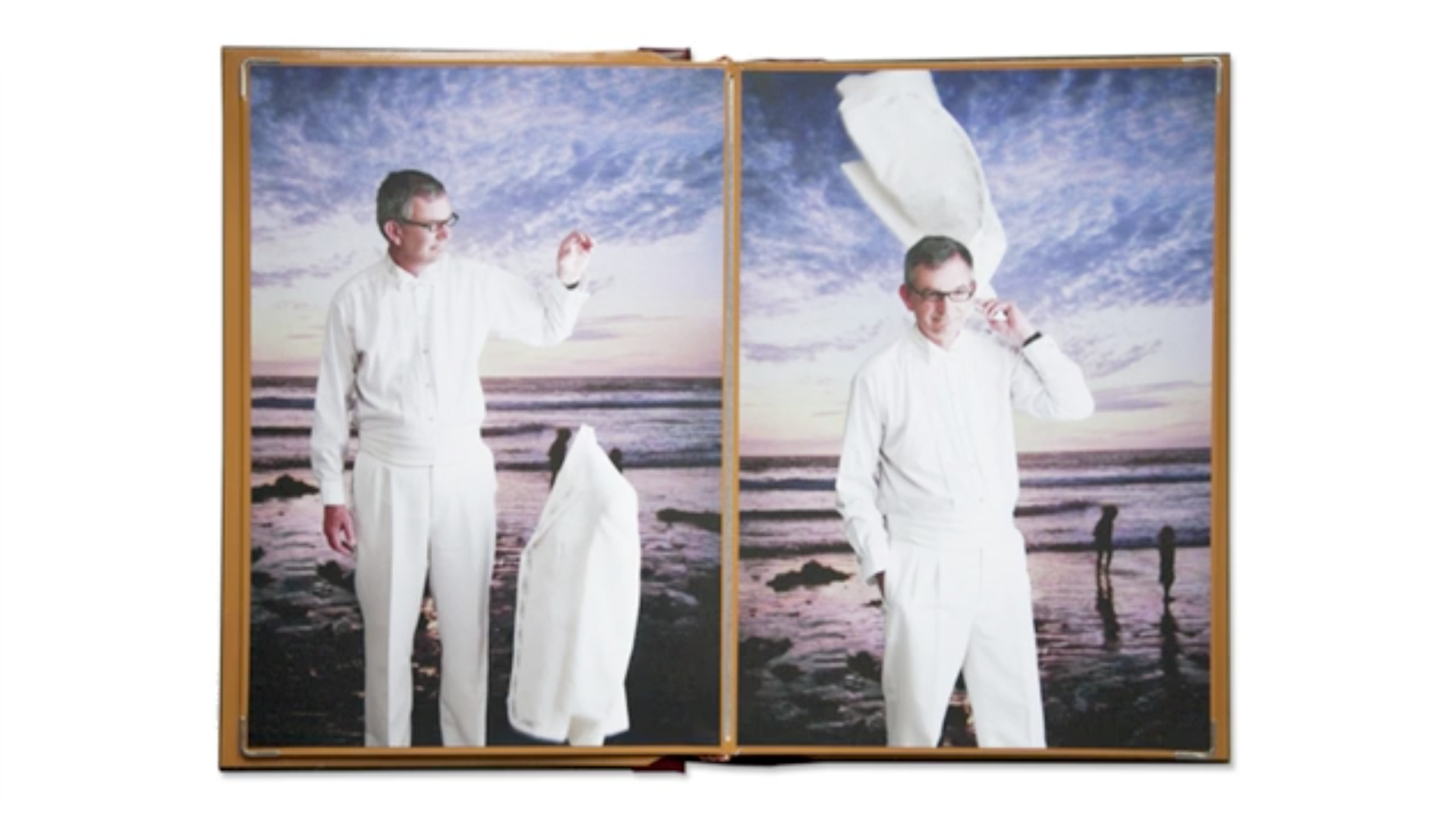
Having considered the participants’ work, we can return to Parr. The two pictures above are works he “photographed” in China. I place the word in quotation marks because he did not press the shutter himself.
Parr noticed the Chinese custom of making elaborate wedding albums before marriage, often in a studio. Backdrops evoke magnificent interiors or travel to distant places, while the subjects adopt affluent, relaxed poses that express an aspiration toward a happy life.
He found the custom and its methods intriguing, so he went to a studio and allowed himself to be photographed. He then turned the finished wedding album into a new work of his own. The gesture reveals his love of play and experiment.
This was not an isolated event. Parr is interesting because he is playful and because his understanding of photography is broad. It is now easier to see why some Magnum members regarded his admission as a rebellion against the agency’s traditions.
Beyond the photographs made in China, he has “produced” similar works in countries including Brazil and North Korea, using local customs and photographic practices. Some are difficult to classify as photography in the conventional sense. Certain images resemble paintings; others are black-and-white photographs colored by hand. Whatever the form, the photographer’s own playful character remains visible.
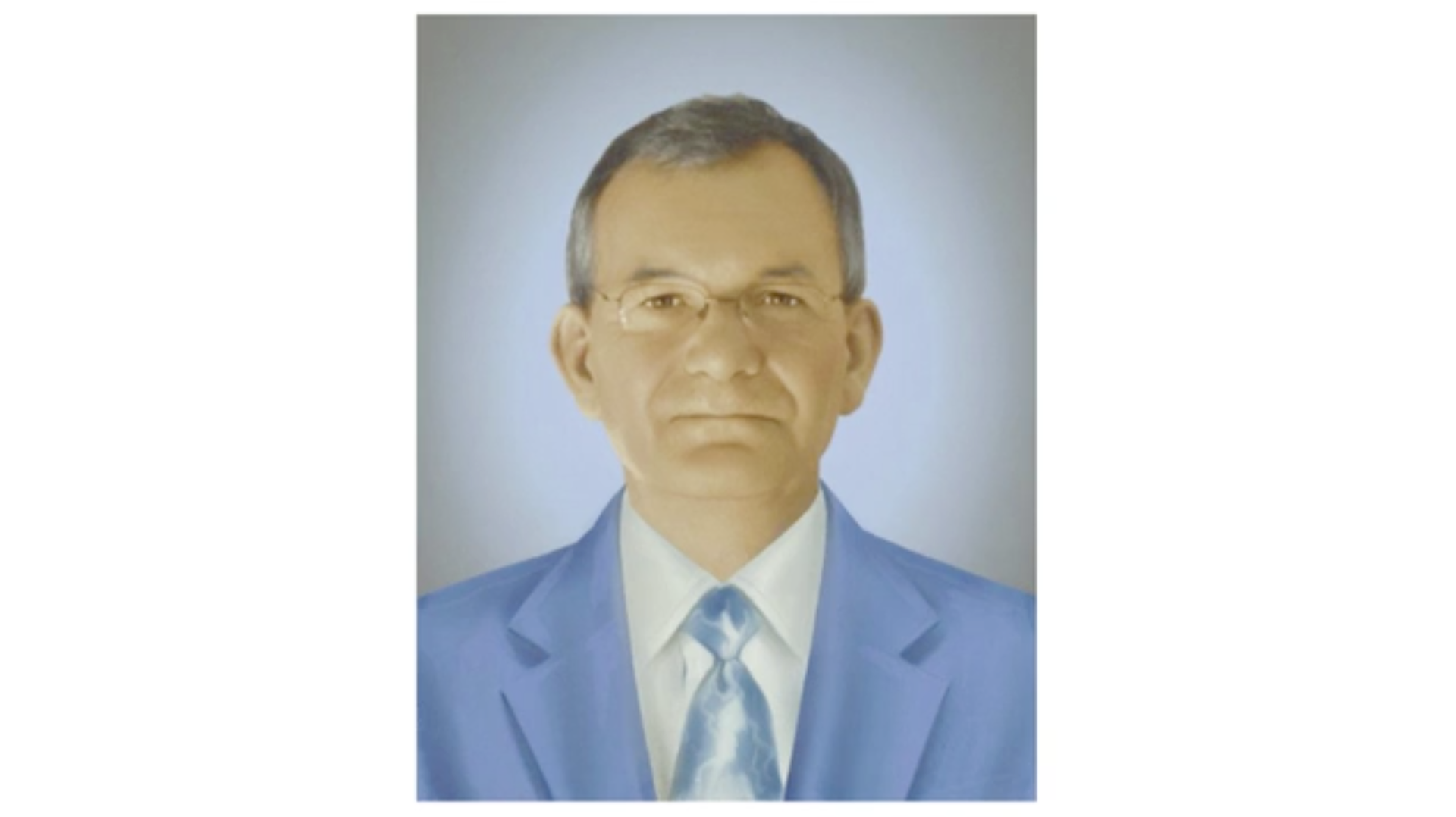
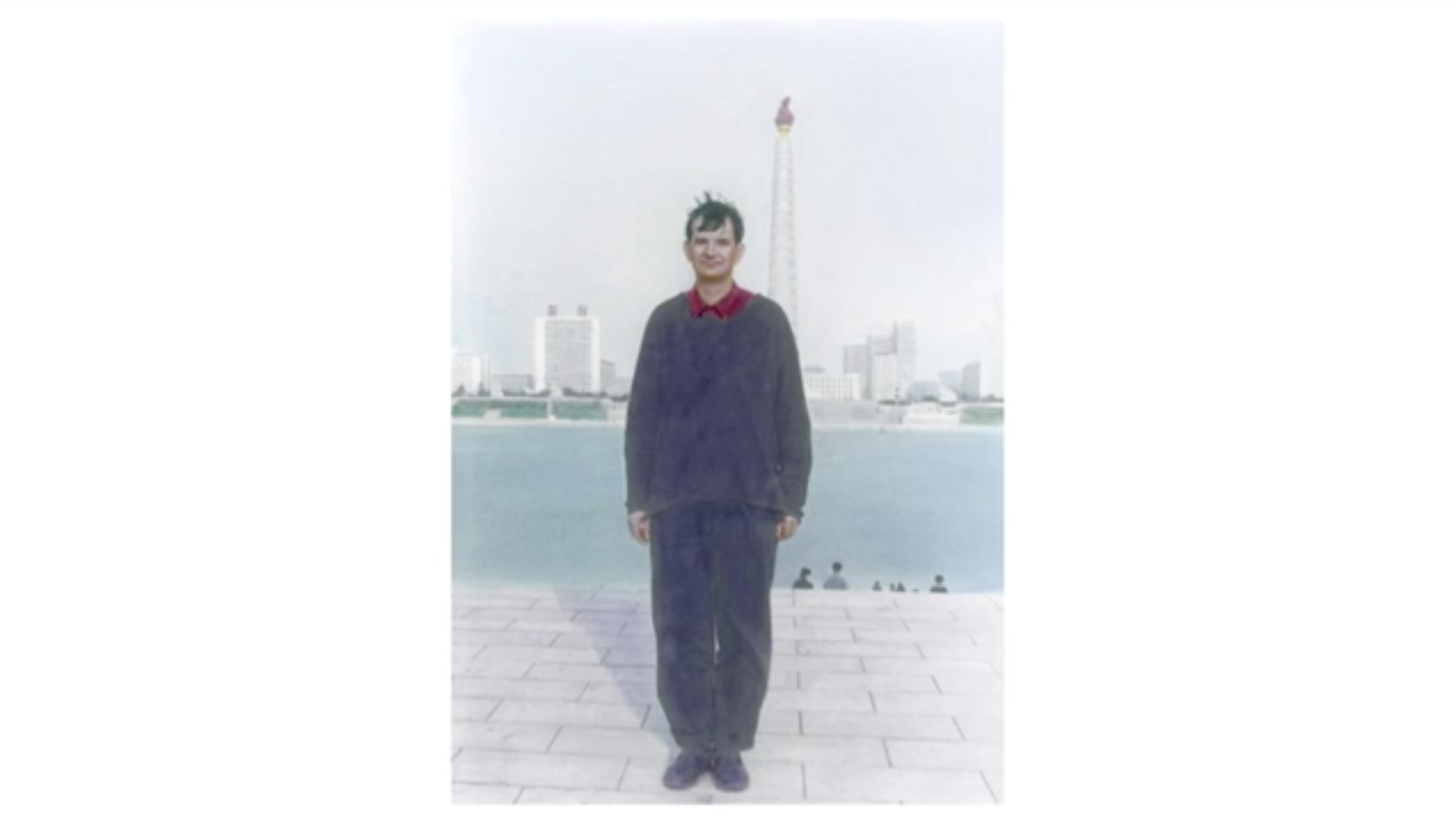
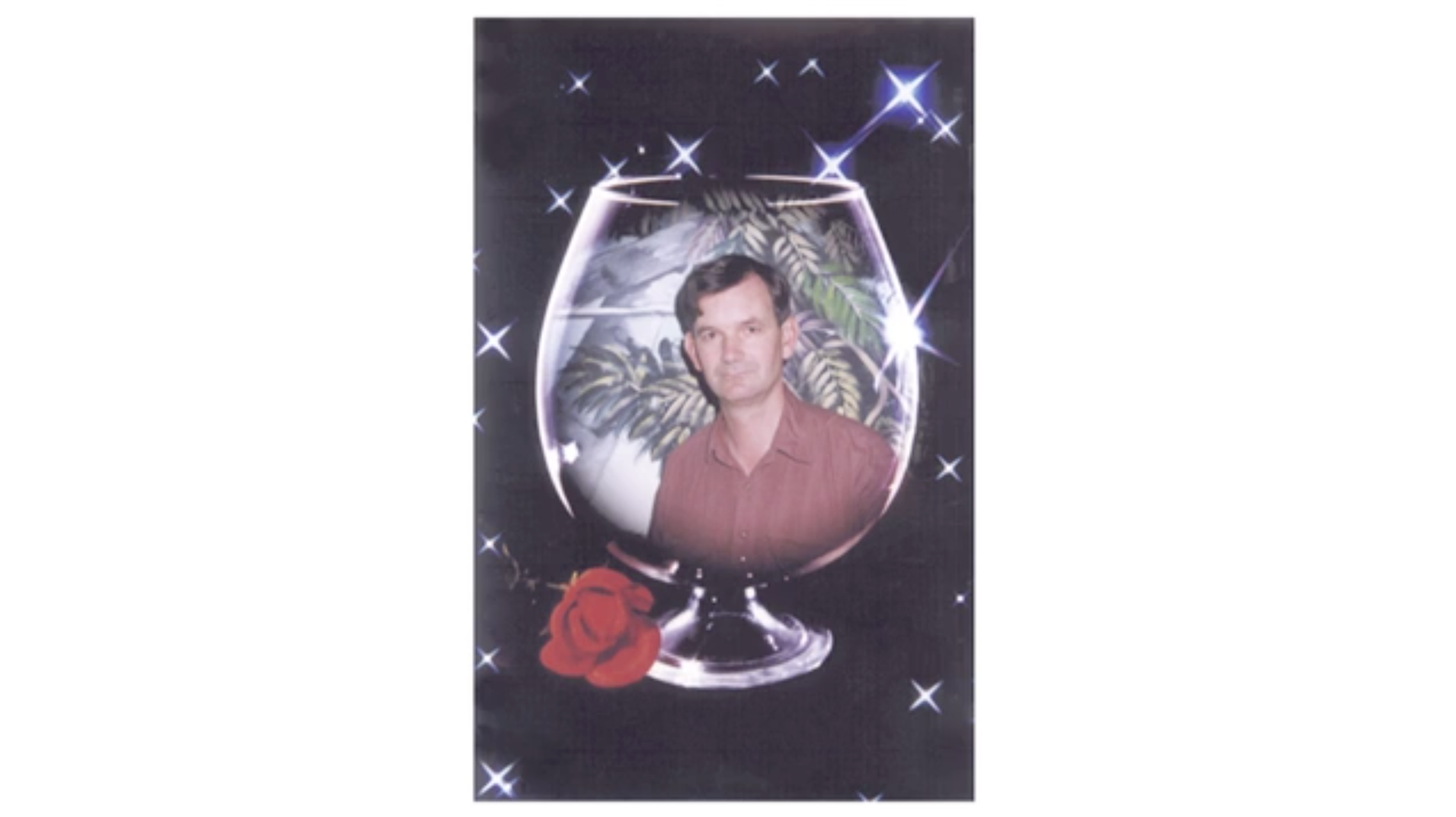
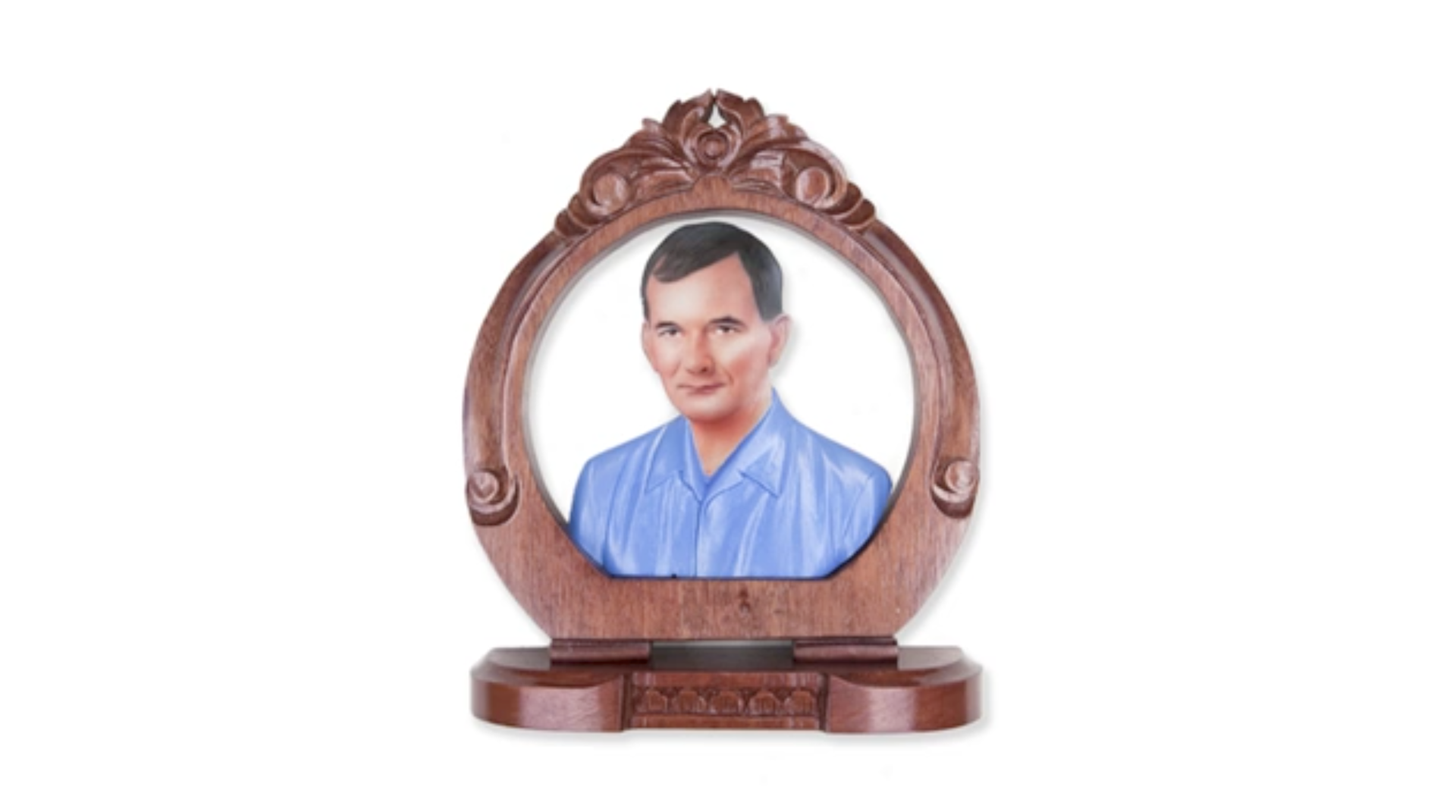
These works broaden our understanding of photography beyond personally making images with a camera. Other materials and forms of expression can also become photographic practice.
An object such as a Chinese wedding album can, simply by existing before us, reveal the different views of people, the world, and happiness held by the subjects, the studio photographer, and Parr. It can also expose cultural conflict and differences in thought.
One further detail is interesting: Parr says that he does not carry a camera outside working hours.
05 - Remain Curious
To understand the logic behind the workshop, we need to know more about Parr. He is not only humorous but deeply curious. One might even say that his curiosity itself has an innate sense of humor, which is why we can read humor in the work.
Parr has a particular interest in collecting wristwatches bearing images of Saddam Hussein. He also collects and photographs many other peculiar objects.

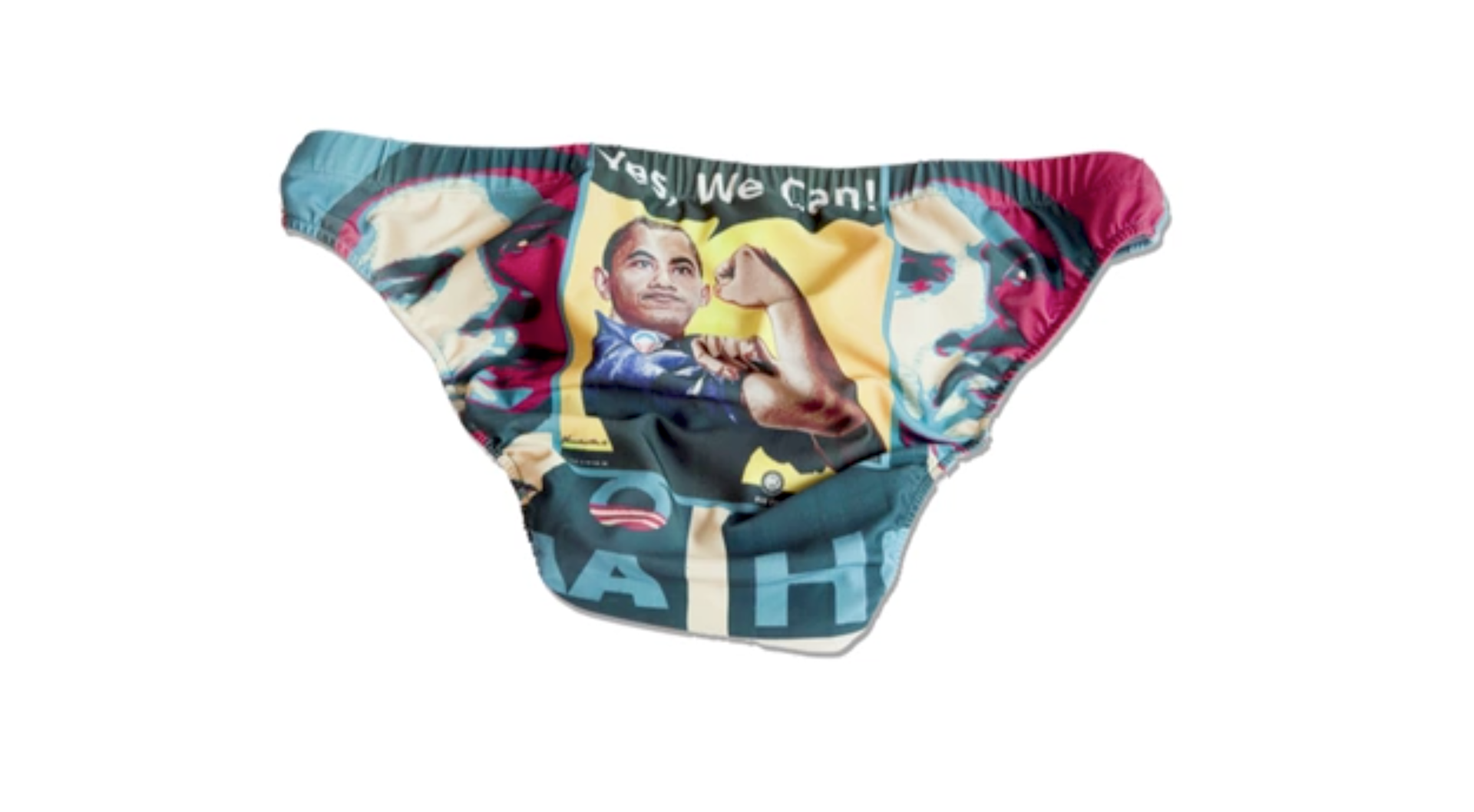
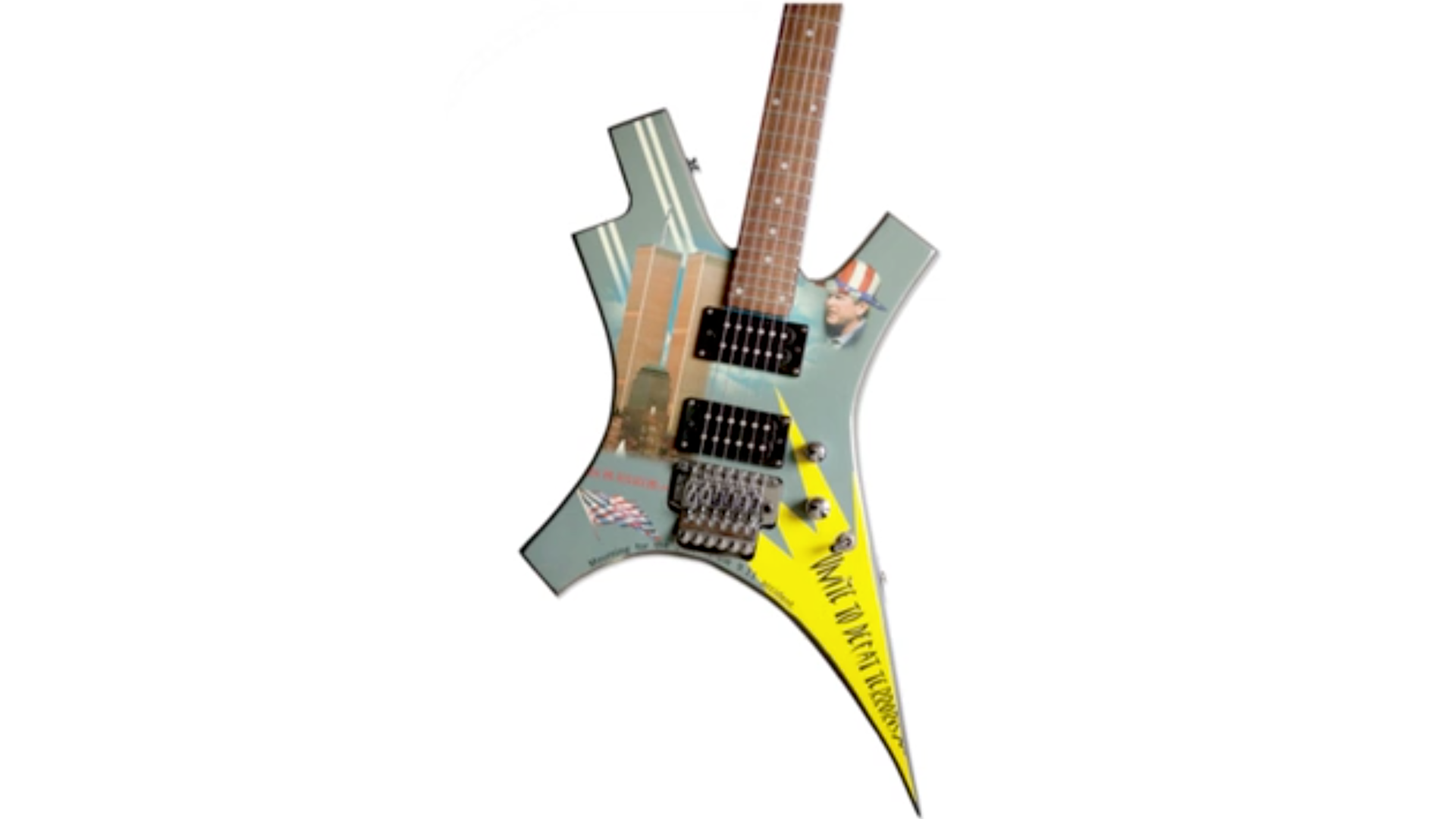
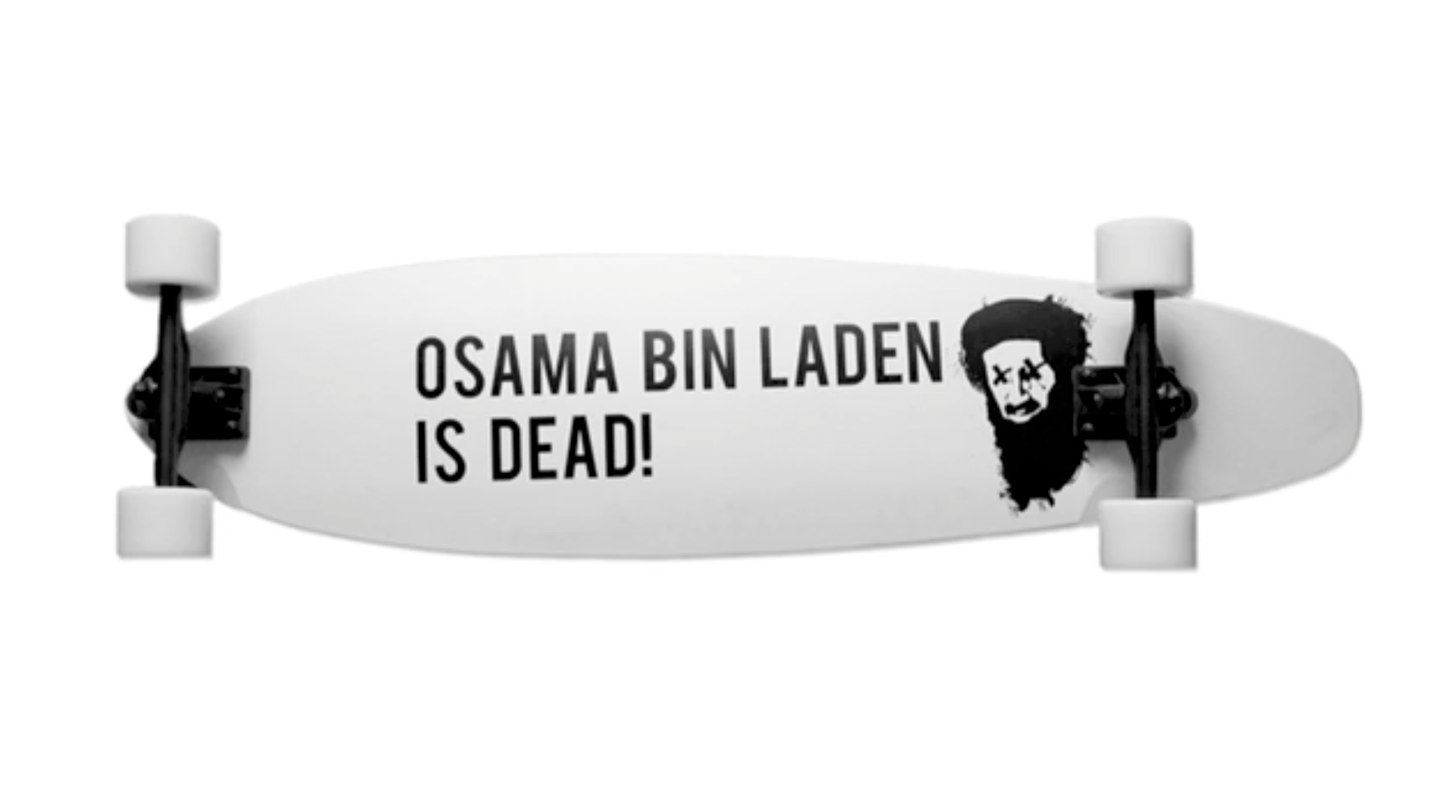
These objects reveal a restrained humor in Parr. It is inward and distinctly British.
The humor and unusual perspective in his photographs were not formed through external exercises or academic rules. They are deeply personal expressions. When we encounter pictures containing dark humor and satire, we naturally think, “This is Martin Parr’s kind of photography.” His interests make it clear that the style emerges from his own character.
Many of us, myself included, do not possess the same humor. Does that mean we cannot make such work? From one perspective, yes. But we have no need to become a second Martin Parr.
Parr says that photographers must remain curious. If he loses his curiosity, he will stop taking photographs. I see his photography as an outward manifestation and extension of that curiosity—a way of observing the world.
06 - Conclusion
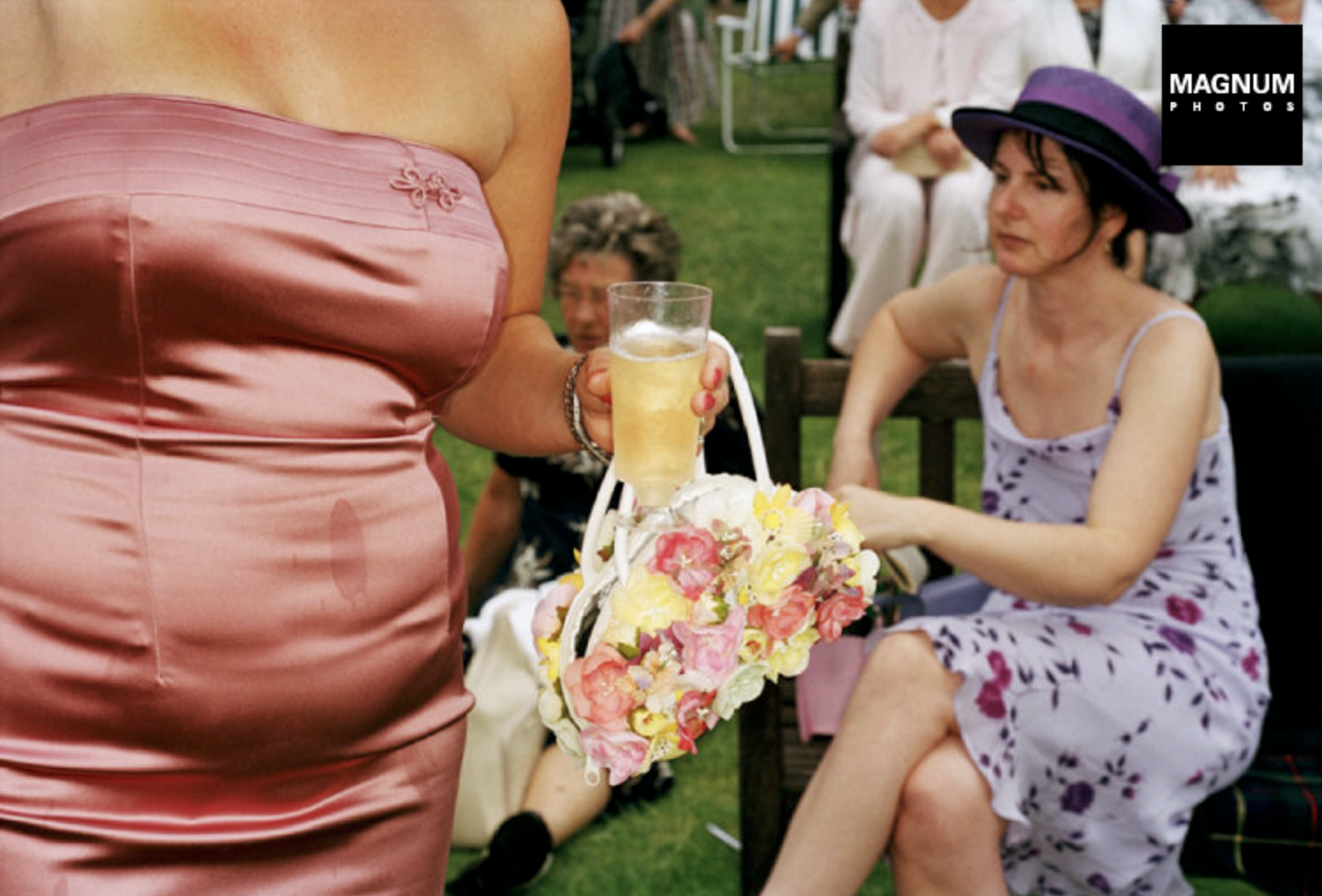
We have discussed a great deal of Parr’s work and The Last Workshop, but the analysis is far from complete. Visit his website and you may agree with my description of him as an aging prankster. I even think he possesses an attractive form of deliberately unfashionable cool.
His website and some of his book designs can look genuinely tacky, while the photographs themselves remain beautiful. Their strange combinations make you laugh, yet also contain something dark and sharp.
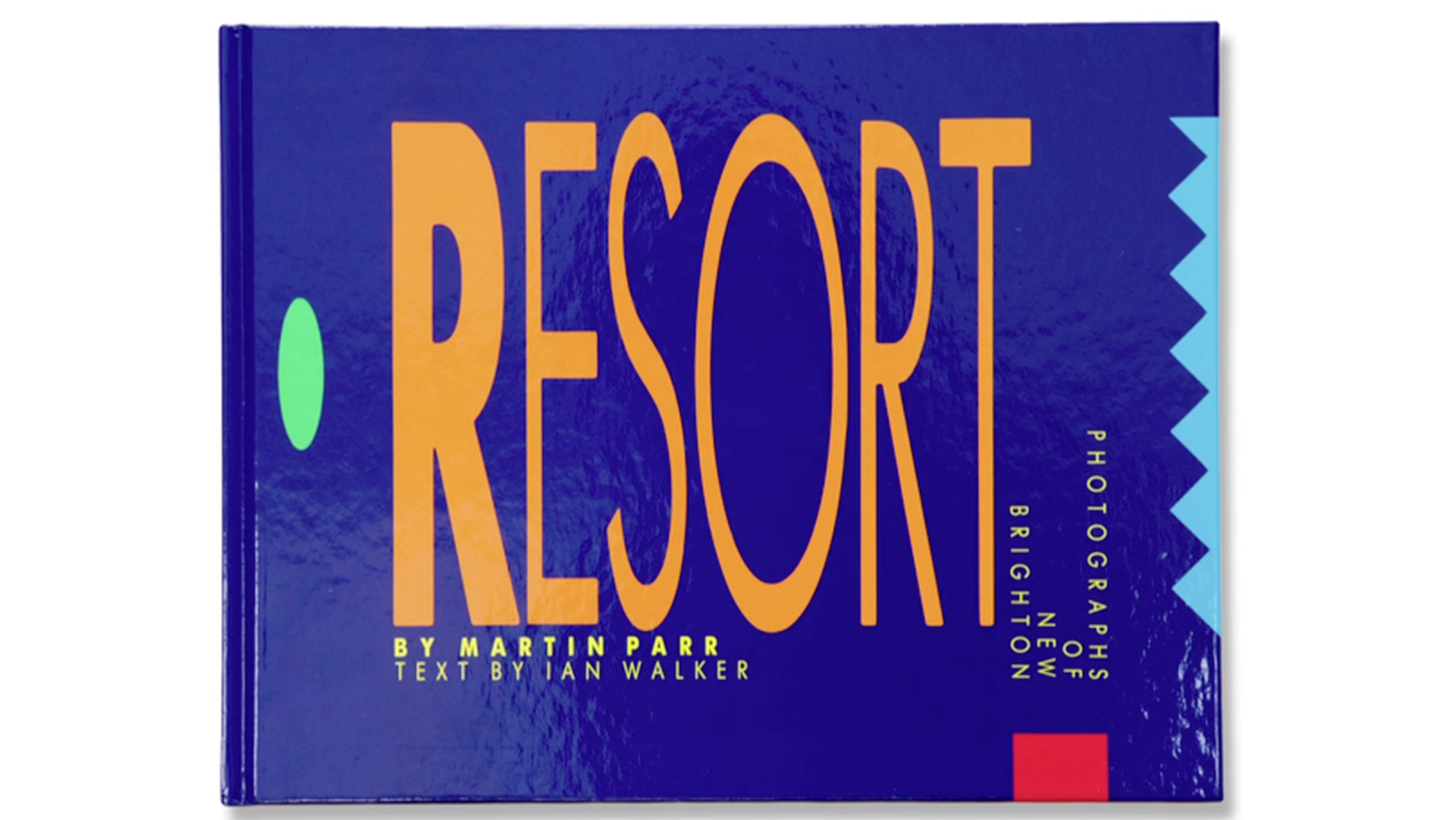
By this point, it should be easy to imagine why Magnum members initially resisted his admission so strongly. It may be harder to imagine that Parr later became president of the agency.
When I read The Eyes of the World: The Story and Work of the Magnum Agency, many Magnum photographers appeared intensely self-assured and emotionally combative, sometimes dismissing other photographic styles in the name of art. Yet Magnum also needed someone capable of encouraging change. I do not believe Parr single-handedly “reformed” Magnum, but he at least brought a radically different perspective and mode of interpretation. Magnum’s later expansion into educational courses and in-person workshops has been a worthwhile experiment.
I still have thousands of words and hundreds of images I could share about Parr, but this essay is already long enough. I hope these notes on The Last Workshop offer a few questions and a way of observing the world that differs from our usual habits.