
Interview with Tatsuo Suzuki
Tatsuo Suzuki has spent years photographing the streets of Tokyo, using forceful, direct black-and-white images to examine the city and its people. In this interview, he discusses his definition of street photography, the loneliness he senses in Tokyo, the inheritance and renewal of a Japanese photographic language, and why he left a stable career to devote himself to photography.
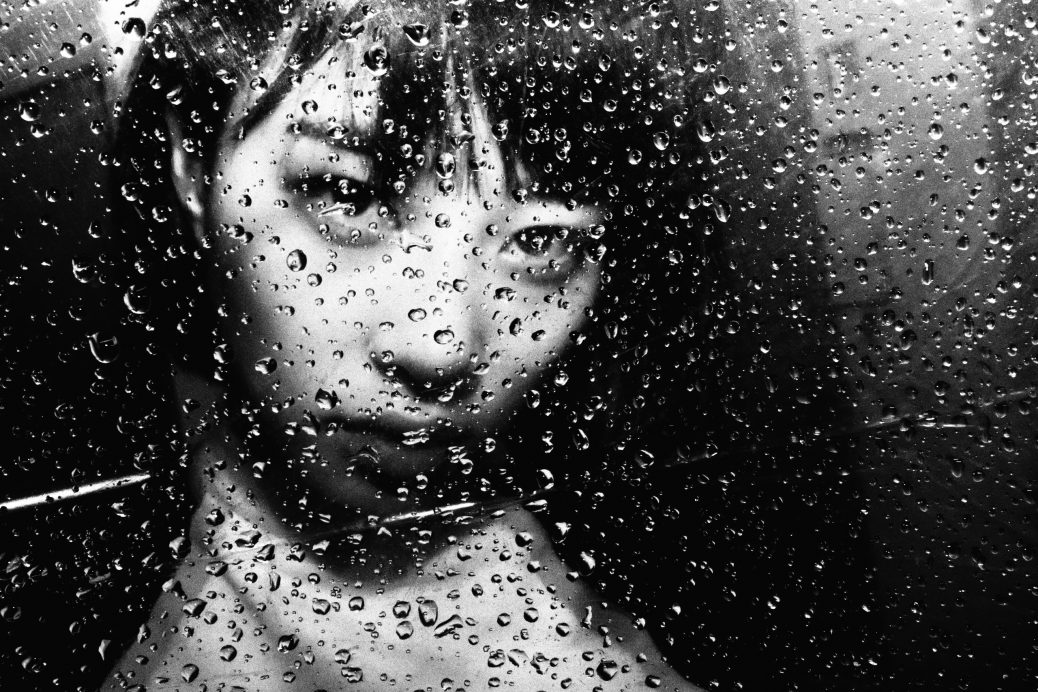
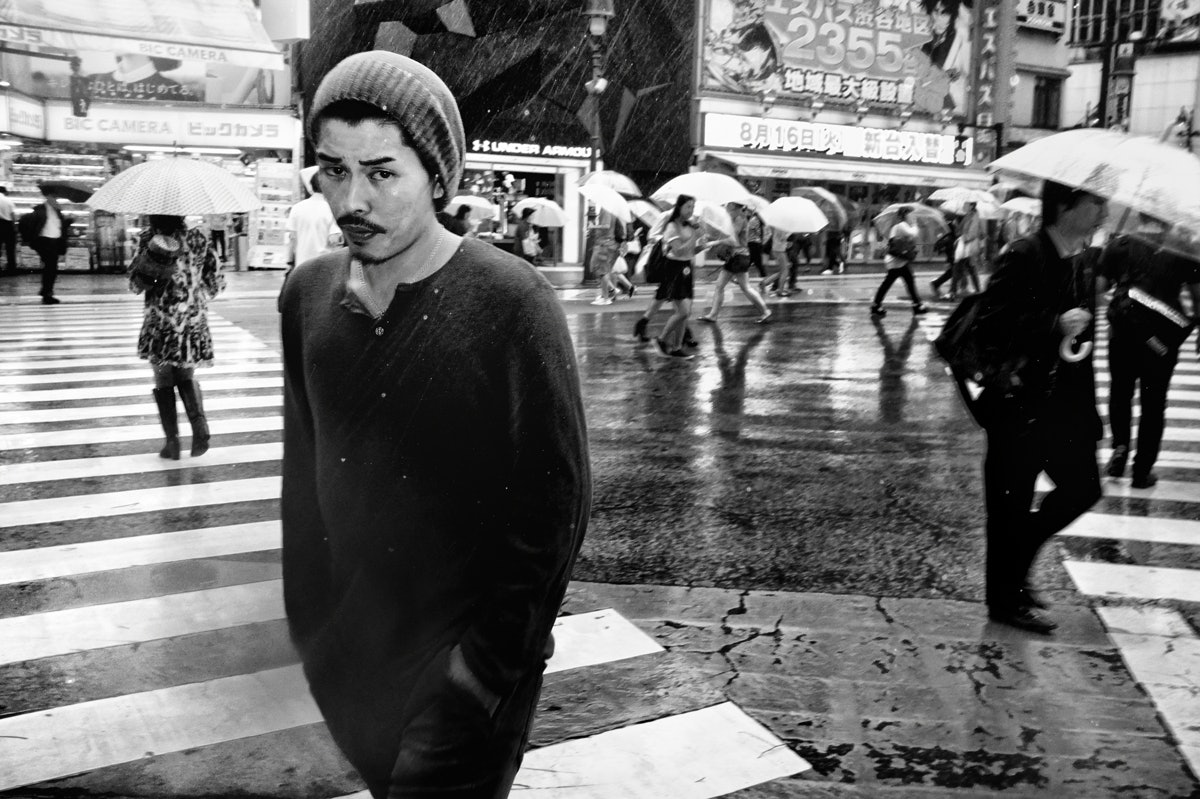
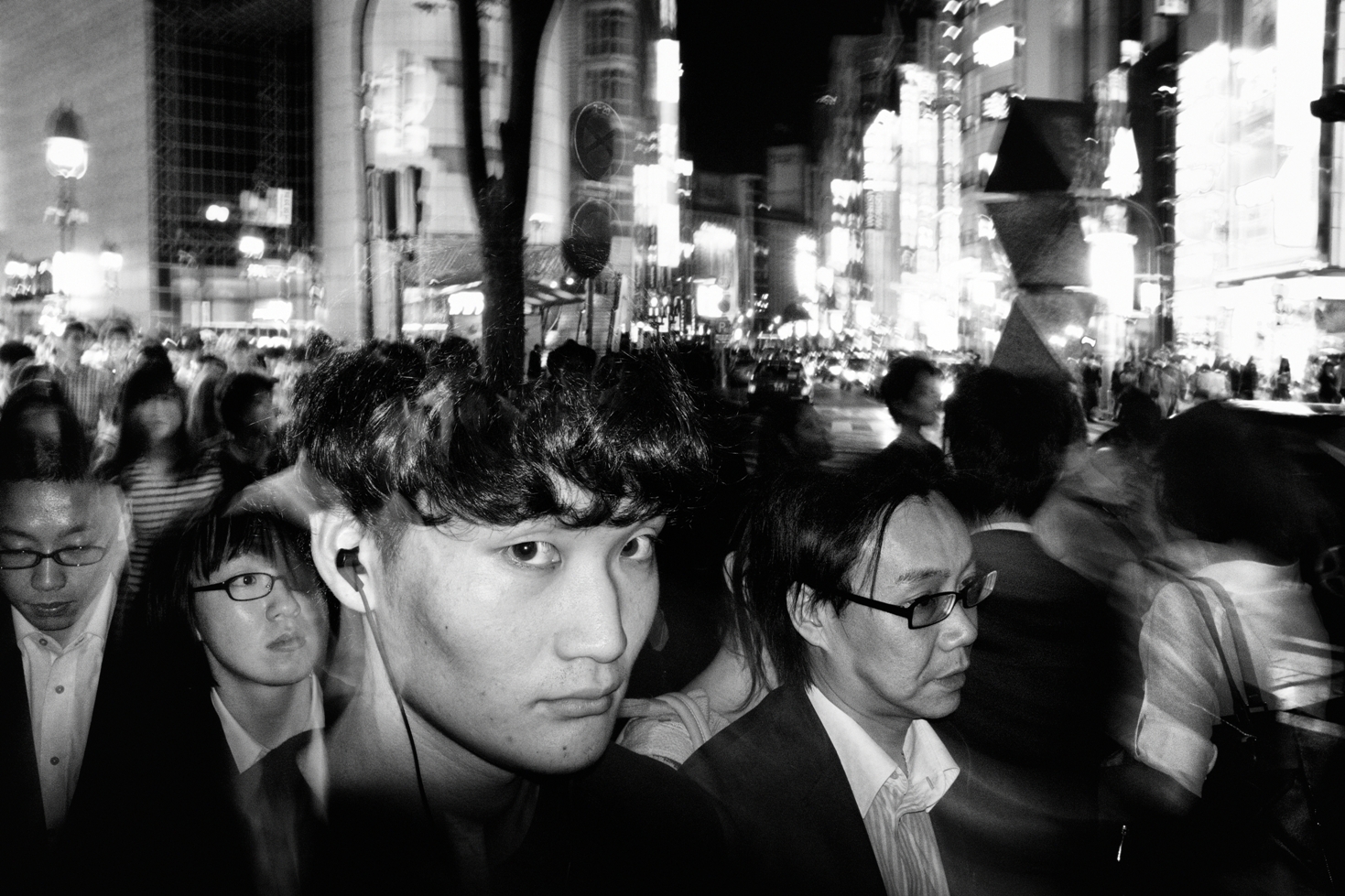
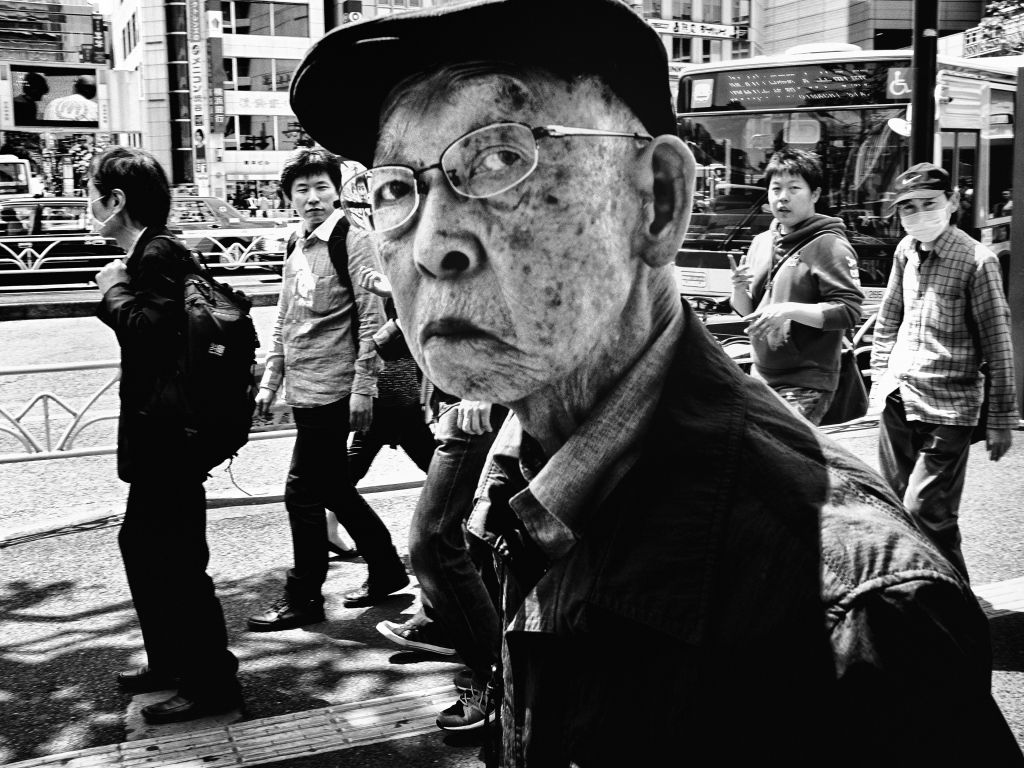
Definitions of street photography vary from person to person. For me, it means capturing and photographing moments involving people passing through the streets, without setting anything up. Precisely because there is no setup, it demands a very high level of composition, timing, and sense of distance.
Part 1
Q: I have the impression that street photography may be the most widely practiced kind of photography. Yet we all know that making a good street photograph is extremely difficult. How do you see street photography, and how do you define it?
A: Definitions of street photography vary from person to person. For me, it means capturing and photographing moments involving people passing through the streets, without setting anything up.
Precisely because there is no setup, it demands a very high level of composition, timing, and sense of distance.
The approach also varies with the subject. You might photograph without an obvious order, create a refined image with no obstructions, photograph an entire street, or focus on one particular person.
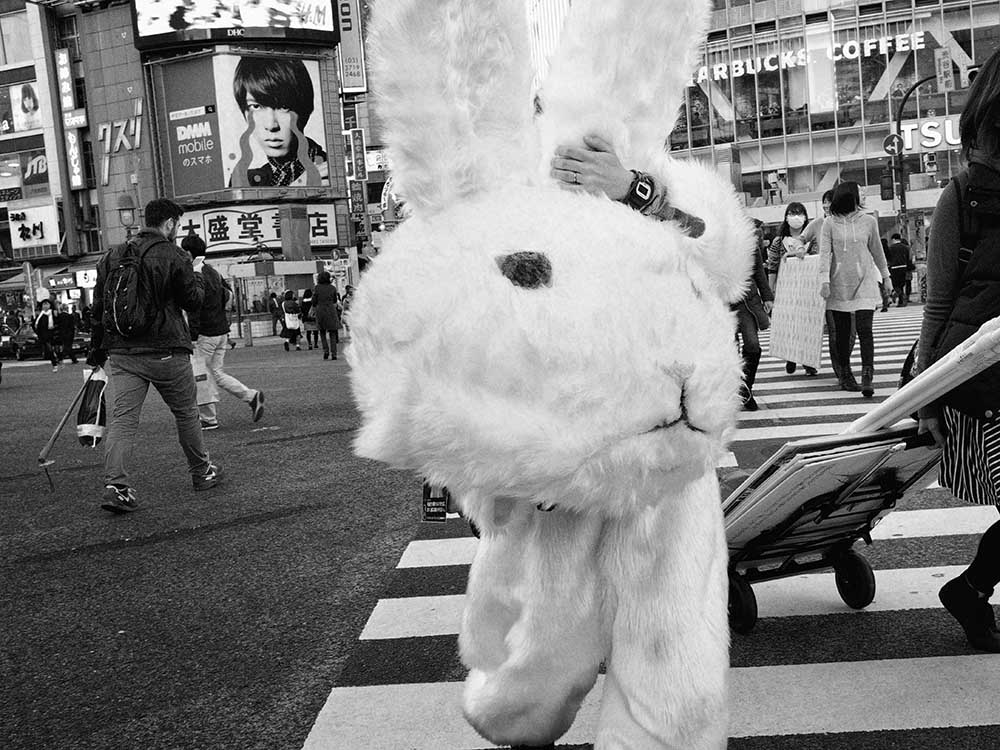
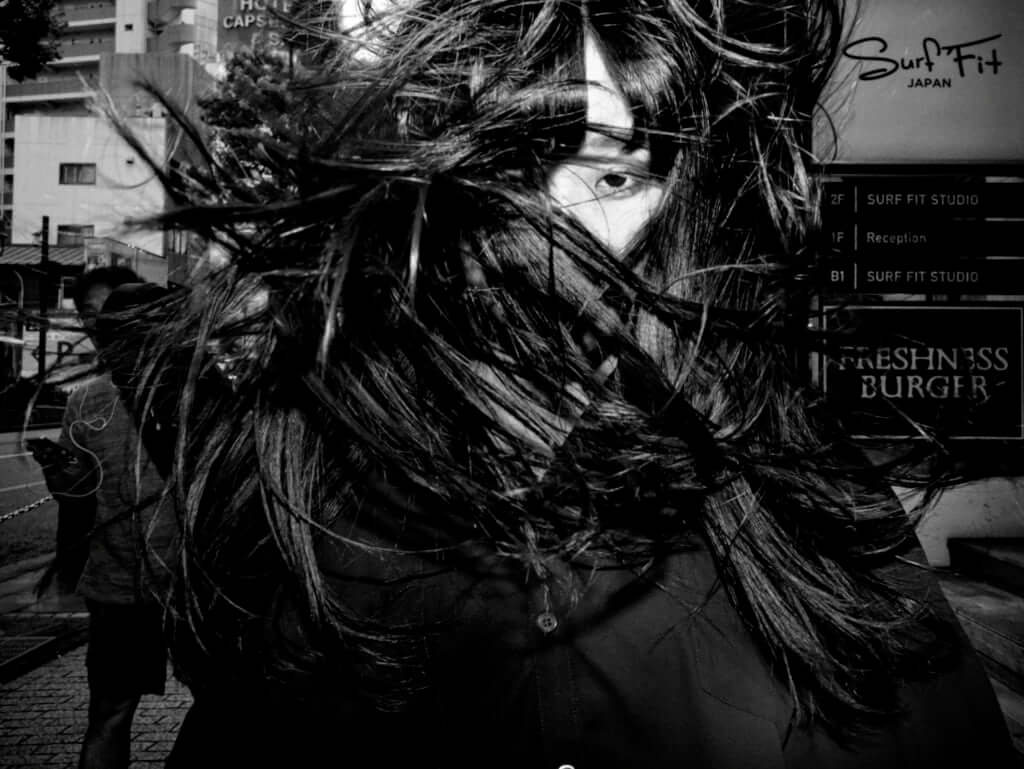
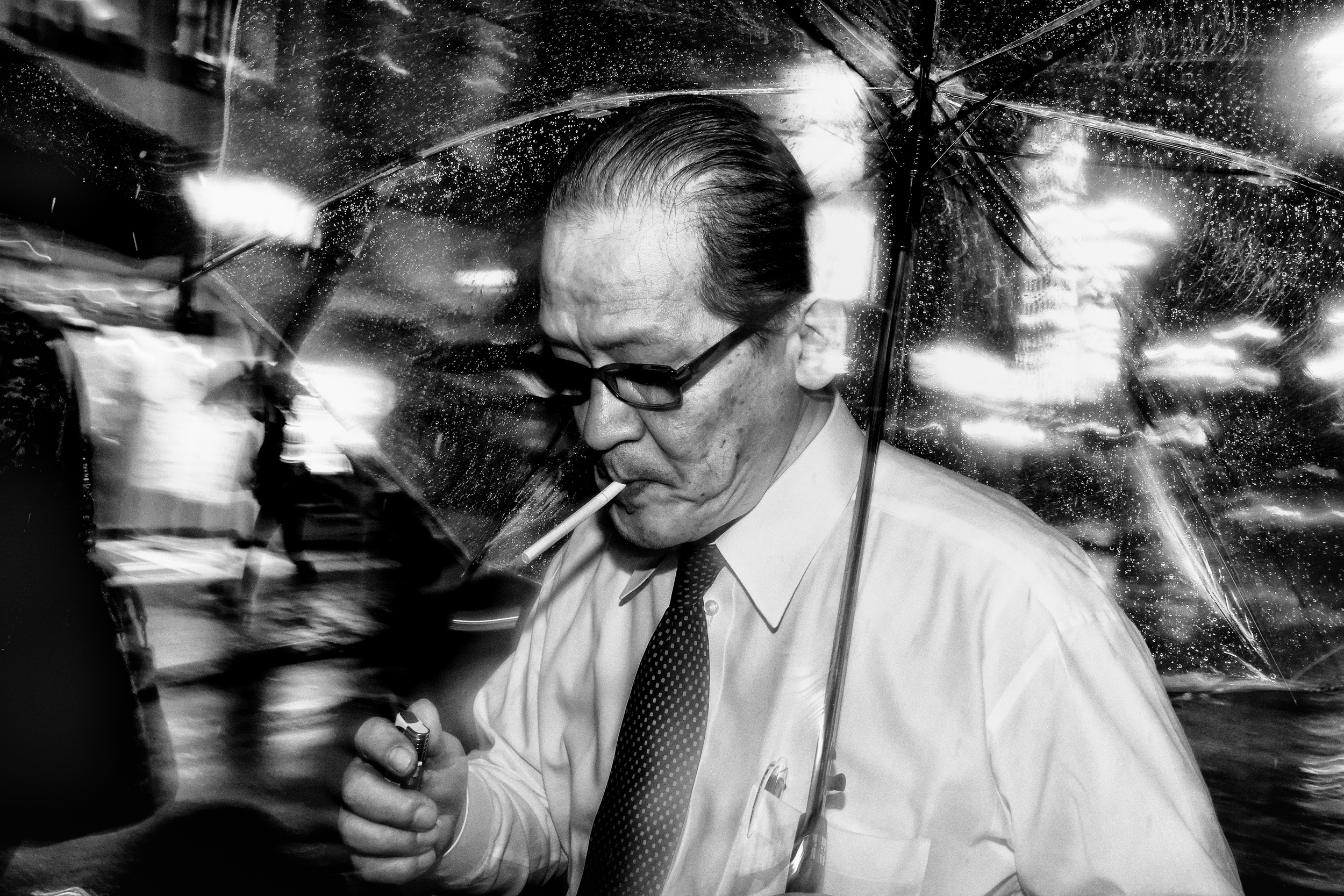
Sometimes I concentrate on humorous moments. My own subjects are the city and its people, and I often focus on individuals, though recently I have also made photographs that take in the scene as a whole.
Whatever the approach, my aim is to make photographs in which viewers can sense the atmosphere of the city and the presence of people.
Q: Two years ago, I visited many places in Japan, including Tokyo. I found Japan—and Tokyo in particular—to be an energetic but also very strange place. Many films use Japan as the setting for futuristic cities and cyberpunk worlds, which suggests that Japanese cities feel very novel to foreigners. As a local photographer who works there every day, how do you see and feel about the city?
A: I think it is an obscene, busy, and chaotic city. At the same time, it is closed, without much sense of open community, and it can easily make people feel lonely.
All kinds of people pass through it, yet genuine interaction is surprisingly rare.
You do not know where everyone comes from or where they are going. On holidays, the city is crowded and lively, but it can also feel elusive and difficult to grasp. A sense of floating or drifting may be the closest description.
Q: Do you ever become tired of photographing the same place every day?
A: No, because there are always new discoveries. It is impossible to finish photographing it.
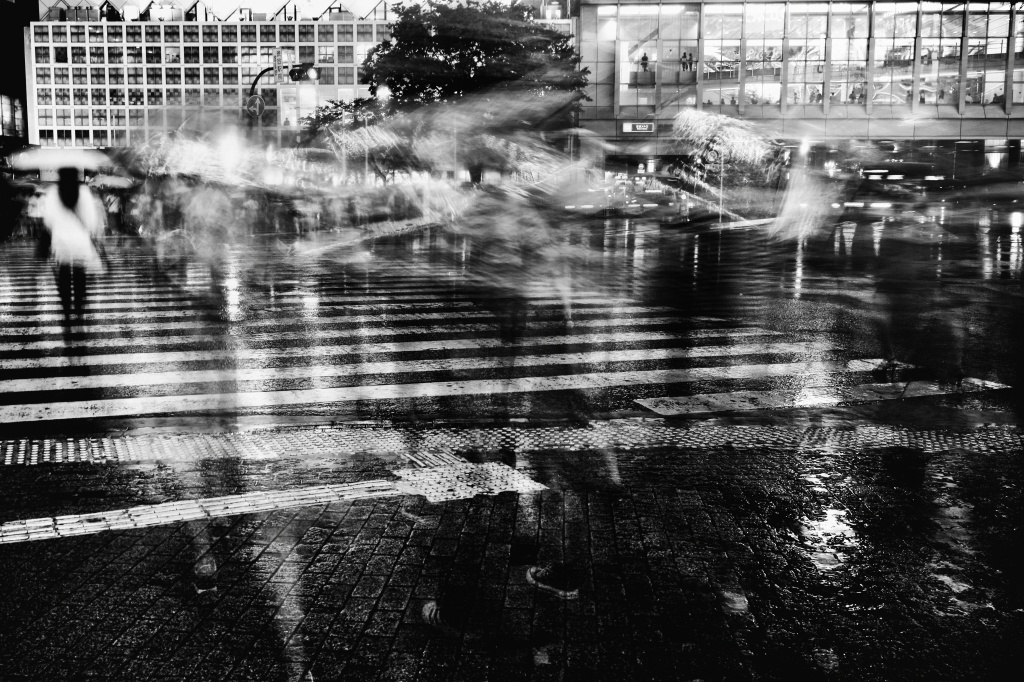
Shibuya changes from one instant to the next, even as I photograph it. Shibuya Station and the surrounding high-rise buildings always seem to be under construction.
At the same time, as the famous Shibuya crossing symbolizes, all kinds of people meet and pass one another in the crowd. No matter how much I photograph, I can never exhaust it. It has been this way ever since I began photography. Because of COVID-19, however, I do not photograph as frequently as I once did.
Q: I also like photographing people’s faces and using flash. Many people criticize me for interfering too much with my subjects or violating them. What do you think of this way of working?
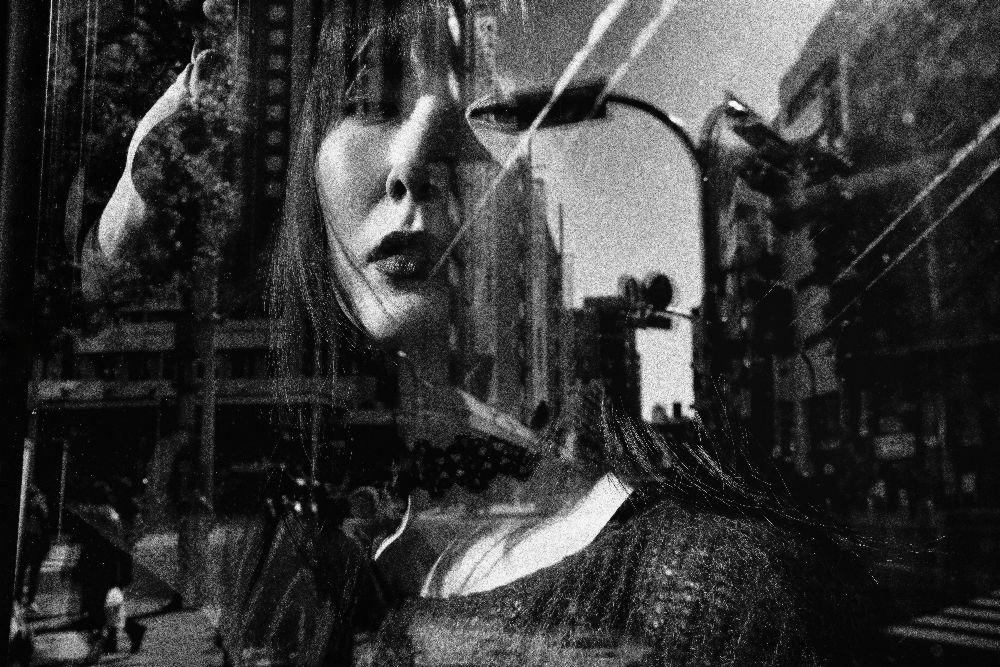
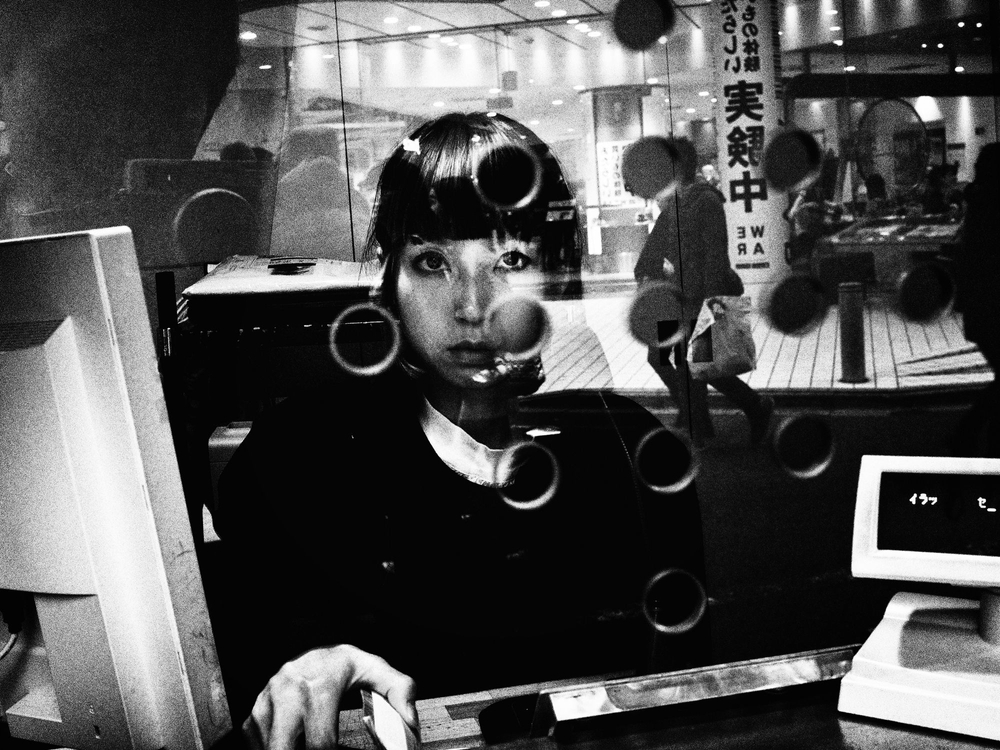
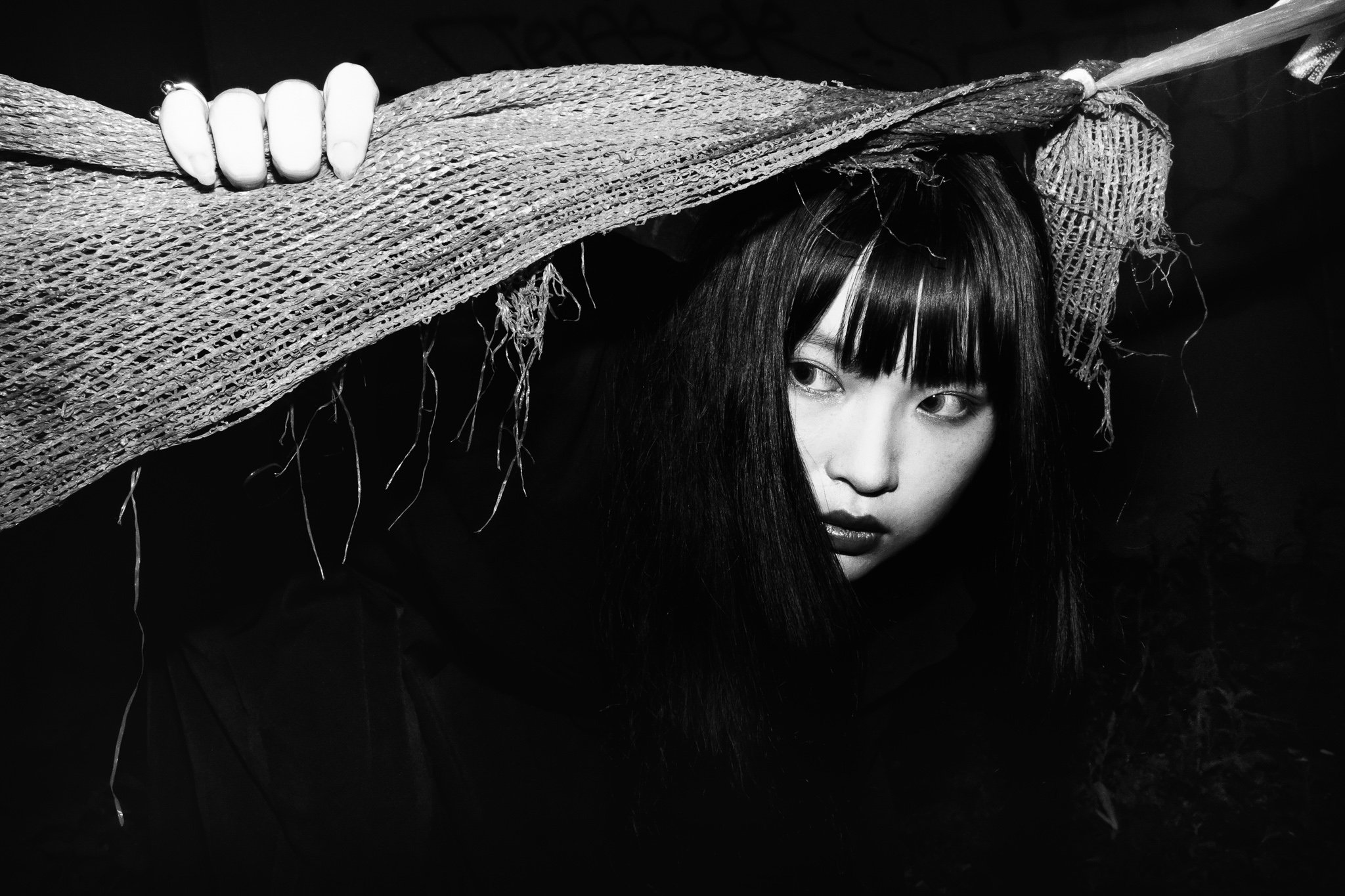
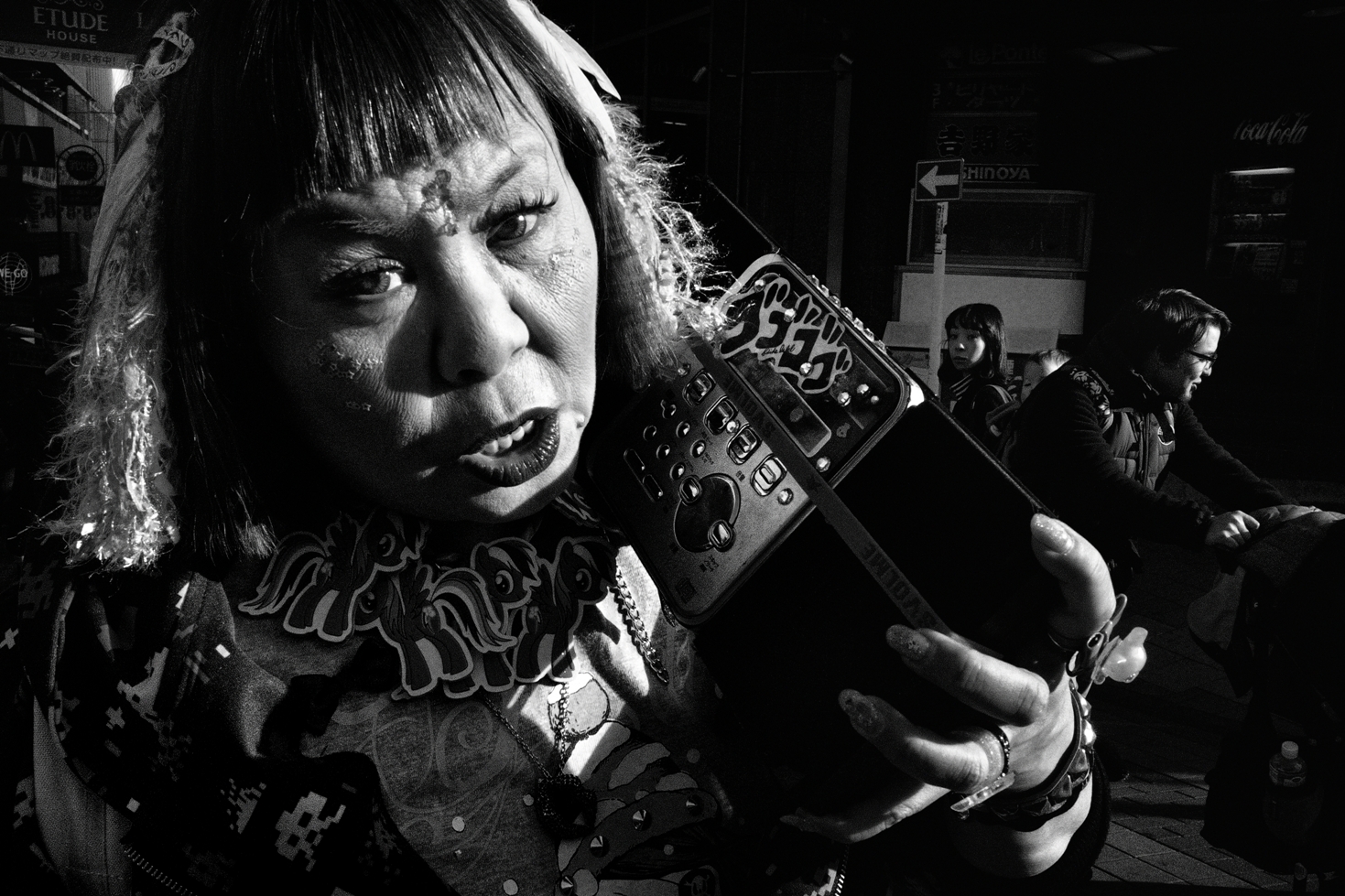
A: If it comes from a conviction and a subject that you can stand behind openly, and if it is something you truly like, I think you should continue. People often think my photographs focus only on faces, but when I work, I consciously include the atmosphere and condition of the street. I also remain aware at all times that I am photographing in a public space.
I face the person with a sense of tension, but also with gratitude.
Q: What makes the human face so compelling to you?
A: I believe a person’s character and appeal appear in the face.
Appearance is not everything, but the face is the first thing I look at. Then I decide whether to press the shutter.
Perhaps you can sense the life a person has lived, the life still ahead, and the way they live now through the face. It attracts me very strongly.
Q: Legally, Japan probably has stricter provisions concerning privacy and portrait rights than China. How do you deal with this issue?
A: At least when photographing in a public place, you are not invading an individual’s privacy.
In addition, for ordinary members of the public, the issue is not so much portrait rights in a strict sense as morality and ethics. When I publish work, I pay close attention to whether it violates ethical standards, because the people I photograph must be respected as much as possible.
Of course, a photograph must possess an inner beauty. Whether that beauty is present is one of the most important criteria I use to judge a photograph’s value.
Q: After receiving a great deal of criticism, I reconsidered my own method and spent some time trying other approaches. But I found that I still wanted to photograph people in the street. I seem naturally interested in faces. If I do not photograph faces, I feel empty, and the content of my pictures feels hollow. There are, of course, many other methods. One familiar approach is photographing light and shadow: waiting for someone to enter a patch of light, emphasizing a rigid visual structure, or using complex compositions. I do not see much of that in your work. How do you think about composition?
A: Composition is an important element, and I think I photograph in a broadly conventional way.
But I will not make a boring photograph merely because I am attached to composition. In fact, what I consider a good photograph may exist beyond composition.
Like many photographers, I avoid predetermined harmony and work toward something I can accept. There is no point in taking photographs that look like examples in a textbook.
Q: What is a good photograph to you?
A: A photograph that I can accept myself.
It is good if it reflects the subtle emotional qualities of the city and its people. But such a photograph is difficult to make.
And because I always want to break what already exists and move forward, it is difficult to keep making photographs that continue to satisfy me.
Part 2
I believe Japanese black-and-white photography of the 1960s and 1970s formed the source of this visual tradition. But if we photograph in the same way today, our work will disappear into the mass of photographs from the past.
Q: As a Chinese photographer, I envy the way Japanese photographers have found a photographic “language.” At an international exhibition, when we see a grainy, high-contrast black-and-white image, we may assume that a Japanese photographer made it. That contains a stereotype, but it also reflects the work Japanese photographers have done. We can read Western values and Japanese values in photographs, yet rarely look at an image and immediately think, “A Chinese person made this.” What do you think of the “Japanese system of photographic language” established by Japanese photographers? Or did the style emerge through an unconscious coincidence?
A: I believe Japanese black-and-white photography of the 1960s and 1970s formed the source of this visual tradition.
But if we photograph the same things in the same way today, our work will disappear into the mass of photographs from the past. We need to pursue something newer and move beyond that tradition.
In other words, contemporary Japanese photographers must create new value without being swallowed by the photographic language of the past. I think this is an extremely difficult and important task.
Q: Photography is connected to many things. Japan experienced postwar reconstruction and, over recent decades, both economic growth and decline. Perhaps this history created a distinctive language for Japanese photographers. For much of the same period, China focused more heavily on economic development, so the range of things Chinese photographers saw may have been less varied. Do changes in the world and in a country affect photographers?
A: A photograph belongs to the individual, but once it is published, it also becomes public. And because a photographer is a social being, they cannot be separated from their social background. I believe these conditions affect every photographer. International affairs, changes within one’s country, and other social conditions therefore influence a photographer’s work.
Q: As generations have changed in Japanese photography, many younger photographers born in the 1990s have favored personal photographs with ambiguous meanings and little obvious purpose. This differs greatly from the prewar and postwar generations. Earlier photographers often treated the image as a medium of expression and tried to give it profound content, while the new generation appears less concerned with a photograph’s purpose and meaning. As a photographer between these generations, how do you understand the work of younger photographers and that of the postwar generation? How do they affect your own work?
A: Whether or not a photograph is directly social, personal photography can still be seen as reflecting contemporary society. The coexistence of photographs that directly capture social conditions and private photography—is that not itself the condition of Japan today?
There are also many abstract photographs. Their subjects may be difficult to identify at first glance, but I think most still reflect social conditions.
I will not change my direct approach to street photography. I intend to continue expressing myself through street photography.
Q: Because you are drawn to photographing people, what does the group we call “Japanese people” mean to you?
A: I do not consciously think of them as Japanese. I photograph them simply because they are in the street.
However, when considering each person’s individuality, people who share my Japanese background are easier for me to photograph and understand. There is less risk of a major discrepancy in how I represent them.
I do feel a sense of closeness to Japanese people.
Part 3
In terms of my life in photography, I am still young and only beginning. There are many things I want to do. I hope you will continue to follow my work.
Q: At the age of 49, you left a stable job and chose photography. I also call myself a photographer now, but I still have a stable full-time position. What made you leave your job and choose photography?
A: When I was 48, I won a PhotoVogue competition in Italy, selected from more than 70,000 entrants.
But because of my job, I could not attend the award ceremony and had to cancel my flight at the last minute. It caused trouble for the organizers, and I was deeply disappointed myself.
As an employee, you cannot place your personal circumstances first. If that were permitted, the company would collapse. So I decided that I wanted to be able to attend the next time I received an award, and that I would seriously devote the rest of my life to photography. I left the company.
I still do not regret it.
Q: In my own experience, before I began photography, I did not really understand “the nearby.” The internet may make us feel more connected, but in reality the distance between people has grown—rather like the AT Field in Neon Genesis Evangelion (laughs). After I began photographing, I felt that the nearby was being rebuilt. I started noticing the flowers downstairs, my neighbor’s cat, older men wandering outside, and office workers hurrying to work. After taking up photography seriously, did you begin to notice anything different?
A: I was already interested in the people and things I passed in the street, and I often looked around while walking. I am curious about many different things.
Photography made those things register more vividly and deeply in my mind: the city’s current atmosphere, the way people dress, what is fashionable, local customs, and so on.
But I have always felt that, despite its noise and bustle, this city is empty and lonely. Shopping is convenient, yet it is difficult to feel human warmth.
This may arise from my own nature. Other photographers may see the city from different angles.
Q: Working as a photographer is difficult. Photography is very popular today, but because everyone can take pictures with a phone, photographers may seem less valuable than before. What do you think?
A: Anyone can photograph now, and their technique can improve very quickly, sometimes to the point that there is almost no technical difference from a professional photographer.
Precisely for that reason, what you communicate through your subject is becoming more important. If the purpose of the photography is vague, it is also difficult for viewers to evaluate it.
As photographers, I think we should convey to the world what we feel, see, and hear. New perspectives and genuinely new things are what give photography a reason to exist. What matters now is whether we can offer that kind of new understanding.
Q: For many new photographers, shooting every day is essential. Yet taking pictures alone may not support a family, or even the photographer. Contemporary photographers also need to promote themselves. What advice would you give to someone beginning a career in photography?
A: Encounter as many good photographs and first-rate works as possible, and strengthen your own sensitivity. Daily study is indispensable.
Through that process, you will discover work that you can accept and that feels necessary. You should also actively seek evaluation and feedback from the wider public.
I believe it is important to persist in both study and creative work. We now have means of communication such as the internet, so it is good to use platforms like Instagram actively.
Many events are also held online every month. Entering them and aiming for recognition can be another useful objective.
Q: Many photographers say they do not care about other people’s opinions, but in reality they do (laughs). Third-party judgments may not be objective. Some people say photographing faces is wrong, while others think light-and-shadow photography is monotonous. They may look at your pictures and say, “Suzuki’s photographs are nothing special,” or “They make no sense.” How do you respond? What qualities should good photography criticism possess?
A: I do not expect everyone to like my photographs, and I have no need to cater to the majority.
I am satisfied if even some viewers experience a positive feeling through my photographs. If the images also prompt them to think about the way Tokyo’s streets and people intersect, I am very happy.
When I receive a thoughtful comment and can genuinely feel that my work has helped that person, it means a great deal to me.
I am not an expert on photography criticism, but I think critics should judge a photograph with an understanding of how photographic history has developed, and offer criticism or praise while considering how the work may connect to the future. I would be especially interested if the criticism also engaged with social questions.
An approach based on the development of art is also valid. In any case, I hope criticism can benefit the reader, the photographer being discussed, and the future development of photography itself.
Q: Please introduce VoidTokyo. Why did you establish it, and what activities does it organize? I heard you have just completed a VoidTokyo exhibition. Unfortunately, I could not visit Japan, but I hope to attend next time.
A: If a photograph is published only online, someone clicks “like,” and that is the end of it. It is a shame when a good photograph meets that fate.
I wanted people to keep the work close at hand, to look at it repeatedly, and to come and see it. With that idea, we created a Zine devoted to Tokyo street photography and founded VoidTokyo in 2017.
It has now reached Vol.6. The response in Japan and abroad has been greater than we imagined, and we have been invited to exhibitions in Hamburg, Germany, and at a museum in Italy.
We also hold regular exhibitions in Tokyo. I am truly grateful.
Please come to the next exhibition and look out for the next issue of VoidTokyo. (I will send you a copy.)
Q: Have any literary works influenced you, or are there books you would recommend?
A: It is not a literary work, but I like Michel Foucault’s History of Madness. It helped me understand how vulnerable people in society have been excluded.
I think photographers should always try to view questions from the perspective of a minority. This can also alert viewers to things they have previously overlooked.
Q: I have heard that you enjoy jazz. Is there any jazz you would recommend?
A: I enjoy all kinds of music, not only jazz—especially music with an edge. In free jazz, I like Albert Ayler, John Coltrane’s later work, Eric Dolphy, and Don Cherry. Recently, I have been listening to The Thing, the group featuring Paal Nilssen-Love and Mats Gustafsson. I recommend them as well.
Q: One final question. Do you have plans for your future photography, or a particular photographic dream?
A: My first photobook was finally published by Steidl at the end of June, so I feel somewhat relieved.
I am also continuing my independently published Zine. It has reached Vol.3 and is planned to conclude with Vol.6. I will give it everything I have.
My first photobook edits together photographs made during the ten years from 2009 to 2018. The Zine, by contrast, is a project in which photographs made since the summer of 2019 are selected and edited immediately and directly, then published within a short period. I am feeling my way forward while aiming for new forms of expression and a higher quality of photography.
Beyond street photography, I would also like to photograph lonely landscapes far from human settlement, perhaps in the Tōhoku region on the Sea of Japan side. I plan to begin that project as well.
At the same time, I would like to photograph Sakhalin in Russia, which lies close to Japan, and develop that into another project.
In terms of my life in photography, I am still young and only beginning. There are many things I want to do. I hope you will continue to follow my work.
This is an exclusive paid interview for AfterImage. Please do not reproduce it.